• Fri frakt över 249 kr
  • •
  • Snabba leveranser
  • •
  • Billiga böcker
Kundservice

Du är på sajten för privatpersoner.

Företag, bibliotek eller offentlig verksamhet?

Du handlar på classic.bokus.com, där alla dina funktioner finns intakta.
Till classic.bokus.com
Bokus logotyp. Gå till startsidan.
  • Erbjudanden
  • Nyheter
  • Student
  • Topplistor
  • Barn & ungdom
  • Bokus Play
  • E-böcker
  • Pocketböcker
  • Spel & pussel

10% studentrabatt med kod TERM26

Sidfot

Mina sidor

    Hjälp

    • Kundservice
    • Vanliga frågor och svar
    • Frakt och leverans
    • Retur vid ångerrätt
    • Reklamera vara
    • Betalning
    • Köpvillkor
    • Allmänna villkor
    • Information om webbplatsens tillgänglighet

    Om Bokus

    • Om oss
    • Pressrum
    • För studenter
    • För företag
    • För bibliotek och offentlig verksamhet
    • För leverantörer
    • Hållbarhet

    Populärt

    • Aktuella erbjudanden
    • Presentkort
    • Studentlitteratur
    • Nya böcker
    • Topplistor
    • Signerade böcker
    • Engelska böcker

    Inspiration

    • Boktips
    • BookTok
    • Populära bokserier
    • Barnbokskaraktärer
    • Populära författare
    Logotyp för Bokus
    Följ oss på Facebook (extern länk)Följ oss på Instagram (extern länk)Följ oss på YouTube (extern länk)Följ oss på TikTok (extern länk)
    bokus @ CookiesAnpassa cookiesIntegritetspolicyKöpvillkor
    Till Citymail hemsida (extern länk)Till Budbee hemsida (extern länk)Till Postnord hemsida (extern länk)Till Schenker hemsida (extern länk)Till Early Bird hemsida (extern länk)Till Walleys hemsida (extern länk)
    1. Kultur
    2. Arkitektur

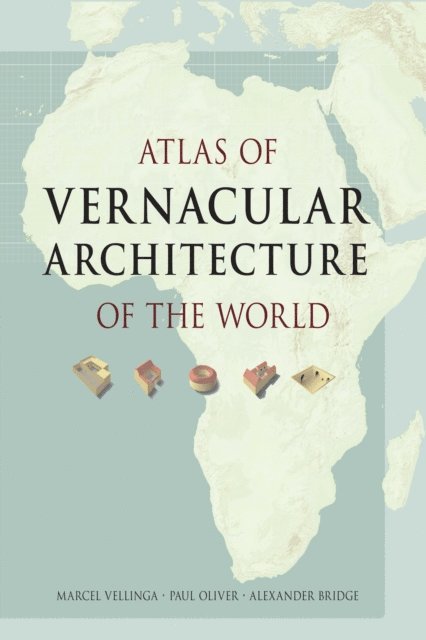
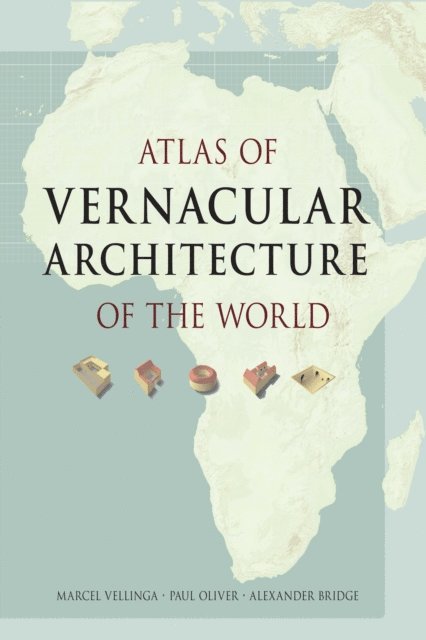
    Atlas of Vernacular Architecture of the World

    AvMarcel Vellinga,Paul Oliver

    Inbunden, Engelska, 2008

    1 518 kr

    Beställningsvara. Skickas inom 10-15 vardagar. Fri frakt över 249 kr.

    Beskrivning

    The first world atlas ever compiled on vernacular architecture, this comprehensive work illustrates the variety and ingenuity of the world’s vernacular building traditions from a multi-disciplinary, cross-cultural and comparative approach, using over sixty world and regional maps.Mapping such diverse aspects as materials and resources, technologies, structural systems, symbolism, forms and service systems on a cross-cultural and comparative basis, the Atlas of Vernacular Architecture of the World reveals the distribution, diversity and relationships of the world’s vernacular building traditions. Indicating geographical patterns, developments, lacunae and anomalies, it gives rise to new insights and understandings, stimulating new hypotheses, questions and research efforts.Augmenting the award-winning Encyclopedia of Vernacular Architecture of the World, the Atlas of Vernacular Architecture of the World constitutes a unique and unparalleled resource for anyone involved in the growing field of vernacular architecture studies, including architects, geographers, art historians, planners, folklorists, conservationists, builders, and anthropologists as well as being of use to all those working in the fields of heritage conservation, architecture, regeneration, energy efficient building, resources management, development and sustainability.

    Produktinformation

    • Utgivningsdatum:2008-01-10
    • Mått:219 x 276 x 17 mm
    • Vikt:2 620 g
    • Format:Inbunden
    • Språk:Engelska
    • Antal sidor:180
    • Förlag:Taylor & Francis Ltd
    • ISBN:9780415411516

    Utforska kategorier

    • Arkitektur inom Kultur
    • Referensverk och tvärvetenskap inom Samhälle och politik

    Mer om författaren

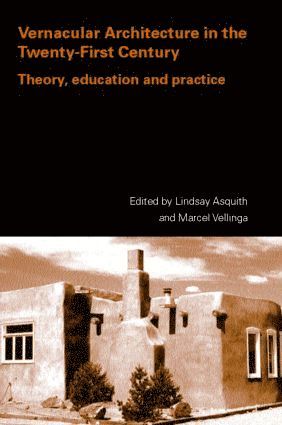
    Marcel Vellinga is Director of the International Vernacular Architecture Unit at Oxford Brookes University. He is the author of Constituting Unity and Difference: Vernacular Architecture in a Minangkabau Village (2004) and co-editor of Vernacular Architecture in the 21st Century: Theory, Education and Practice. He has published various articles dealing with the anthropology of architecture, vernacular architecture and sustainable development.Paul Oliver is a Visiting Professor at the International Vernacular Architecture Unit at Oxford Brookes University. He is the author of numerous books and articles on vernacular architecture, including, most recently, Built to Meet Needs: Cultural Issues in Vernacular Architecture (2006) and Dwellings: The Vernacular House World Wide (2003). He is the editor of the award-winning Encyclopedia of Vernacular Architecture of the World (1997).Alexander Bridge is a cartographic designer and a graphic artist. Originally working purely in graphic design, he went on to qualify as a mountain leader where a fascination for maps was developed into a deep understanding. Upon completion of an honours degree in cartography, Alexander was presented with the award for outstanding performance by a student at higher level by the British Cartographic Society.

    Recensioner i media

    'This is an invaluable guide to the global scatter of folk architectural traditions that shape today's most bracing sustainable designs.' – The Christian Science Monitor'The book comprises two parts and is beautifully illustrated and logically set out.' – Reference Reviews'The AVAW is an enthralling read, even if your knowledge of the subject is limited.'– Reference Reviews'Considering the subject matter and the lack of original research in this field, the book is good value...'– Reference Reviews

    Innehållsförteckning

    • Introduction Part 1: Contexts 1. Nations 2. Topography 3. Water 4. Climate 5. Vegetation 6. Soils 7. Economy 8. Population 9. Language 10. Religion 11. Cultural Areas Part 2: Cultural and Material Aspects 12. Materials and Resources 13. Structural Systems and Technologies 14. Forms, Plans and Types 15. Services and Functions 16. Symbolism and Decoration 17. Development and Sustainability