
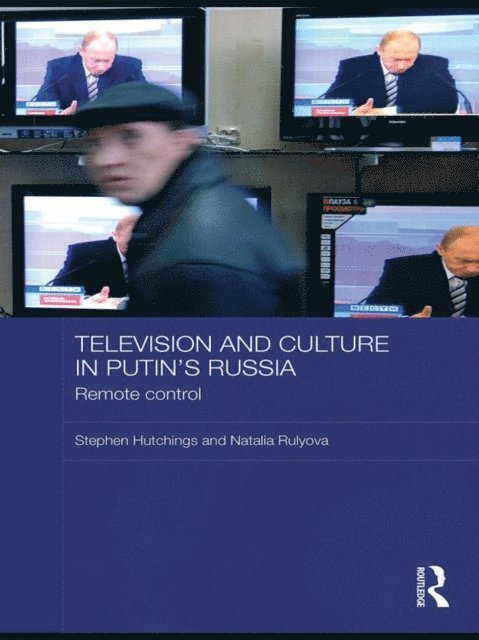
Television and Culture in Putin's Russia
Remote control
AvStephen Hutchings,Natalia Rulyova
Häftad, Engelska, 2010
365 kr
Beställningsvara. Skickas inom 10-15 vardagar. Fri frakt över 249 kr.
Fler format och utgåvor
Beskrivning
This book examines television culture in Russia under the government of Vladimir Putin. In recent years, the growing influx into Russian television of globally mediated genres and formats has coincided with a decline in media freedom and a ratcheting up of government control over the content style of television programmes. All three national channels (First, Russia, NTV) have fallen victim to Putin’s power-obsessed regime. Journalists critical of his Chechnya policy have been subject to harassment and arrest; programmes courting political controversy, such as Savik Shuster’s Freedom of Speech (Svoboda slova) have been taken off the air; coverage of national holidays like Victory Day has witnessed a return of Soviet-style bombast; and reporting on crises, such as the Beslan tragedy, is severely curtailed. The book demonstrates how broadcasters have been enlisted in support of a transparent effort to install a latter-day version of imperial pride in Russian military achievements at the centre of a national identity project over which, from the depths of the Kremlin, Putin’s government exerts a form of remote control. However, central to the book's argument is the notion that because of the changes wrought upon Russian society after 1985, a blanket return to the totalitarianism of the Soviet media has, notwithstanding the tenor of much western reporting on the issue, not occurred. Despite the fact that television is nominally under state control, that control remains remote and less than wholly effective, as amply demonstrated in the audience research conducted for the book, and in analysis of contradictions at the textual level. Overall, this book provides a fascinating account of the role of television under President Putin, and will be of interest to all those wishing to understand contemporary Russian society.
Produktinformation
Utforska kategorier
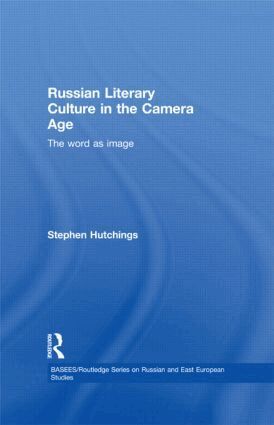
Mer om författaren
Recensioner i media
Innehållsförteckning
Hoppa över listan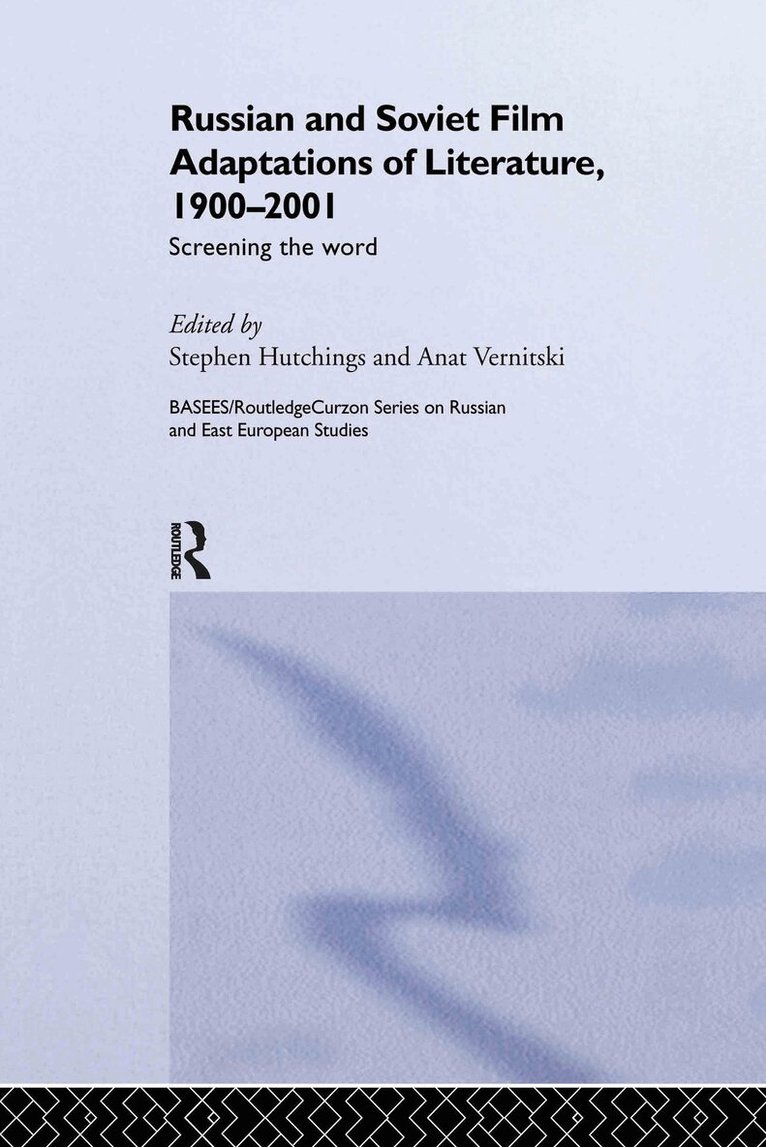
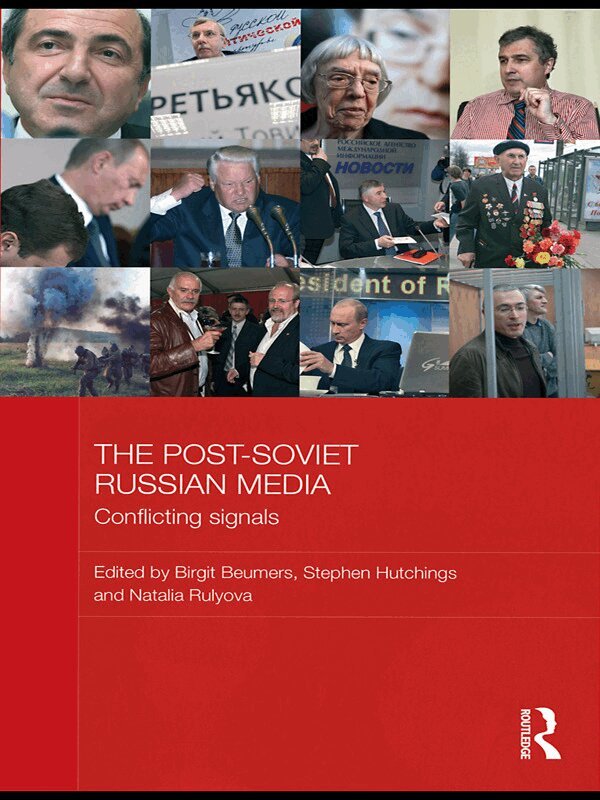
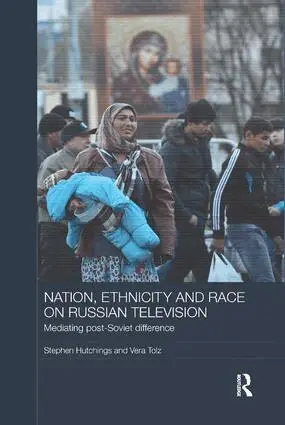
Mer från samma författare
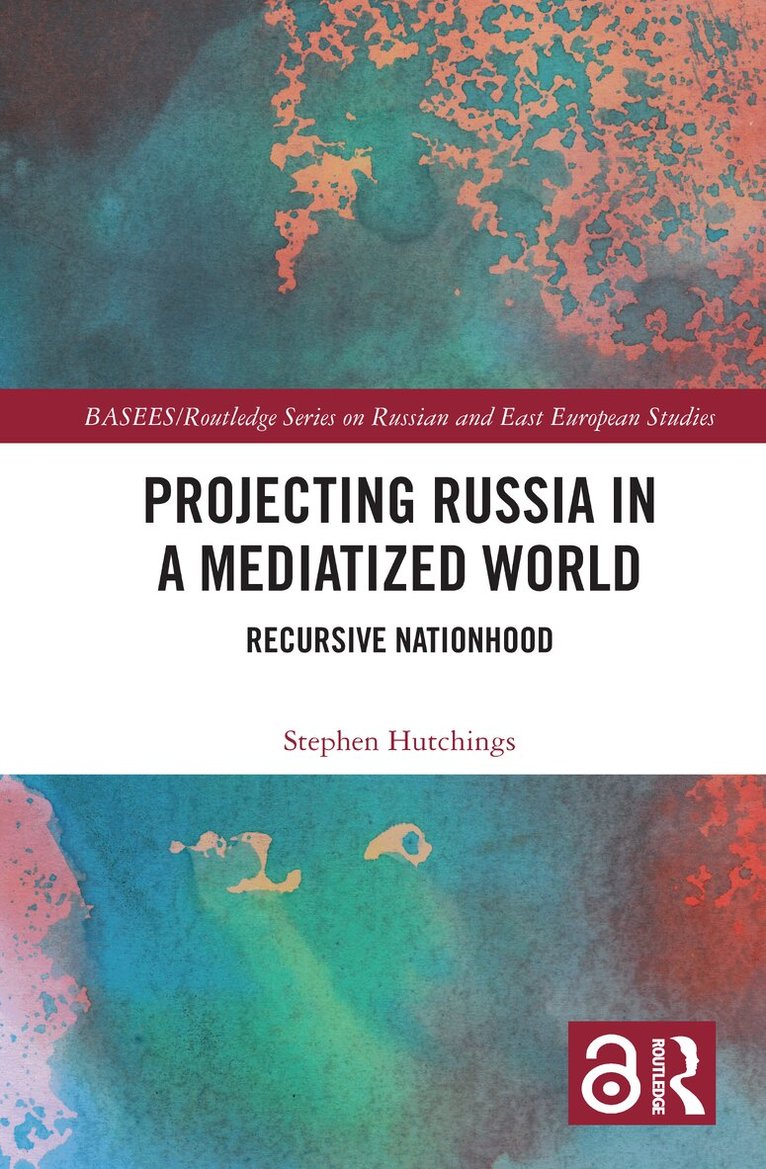
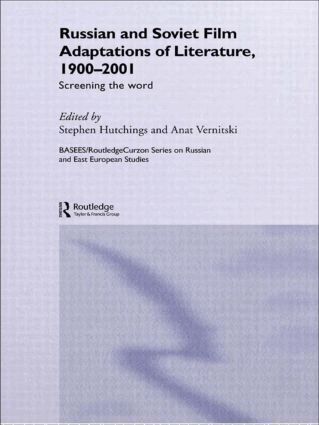
Russian and Soviet Film Adaptations of Literature, 1900-2001
Stephen Hutchings, Anat Vernitskaia
Inbunden, 2004
2 625 kr
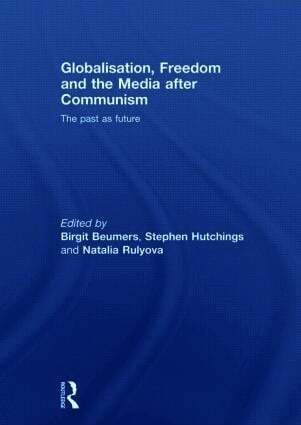
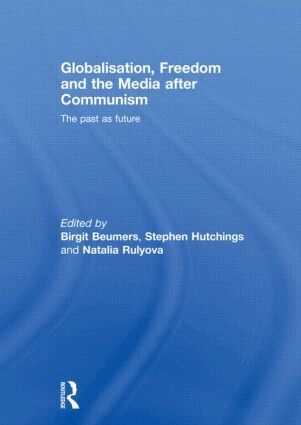
Globalisation, Freedom and the Media after Communism
Birgit Beumers, Stephen Hutchings, Natalia Rulyova
Inbunden, 2009
2 473 kr
Globalisation, Freedom and the Media after Communism
Birgit Beumers, Stephen Hutchings, Natalia Rulyova
Häftad, 2012
724 kr
Russian and Soviet Film Adaptations of Literature, 1900-2001
Stephen Hutchings, Anat Vernitskaia
Häftad, 2009
784 kr
Hoppa över listan
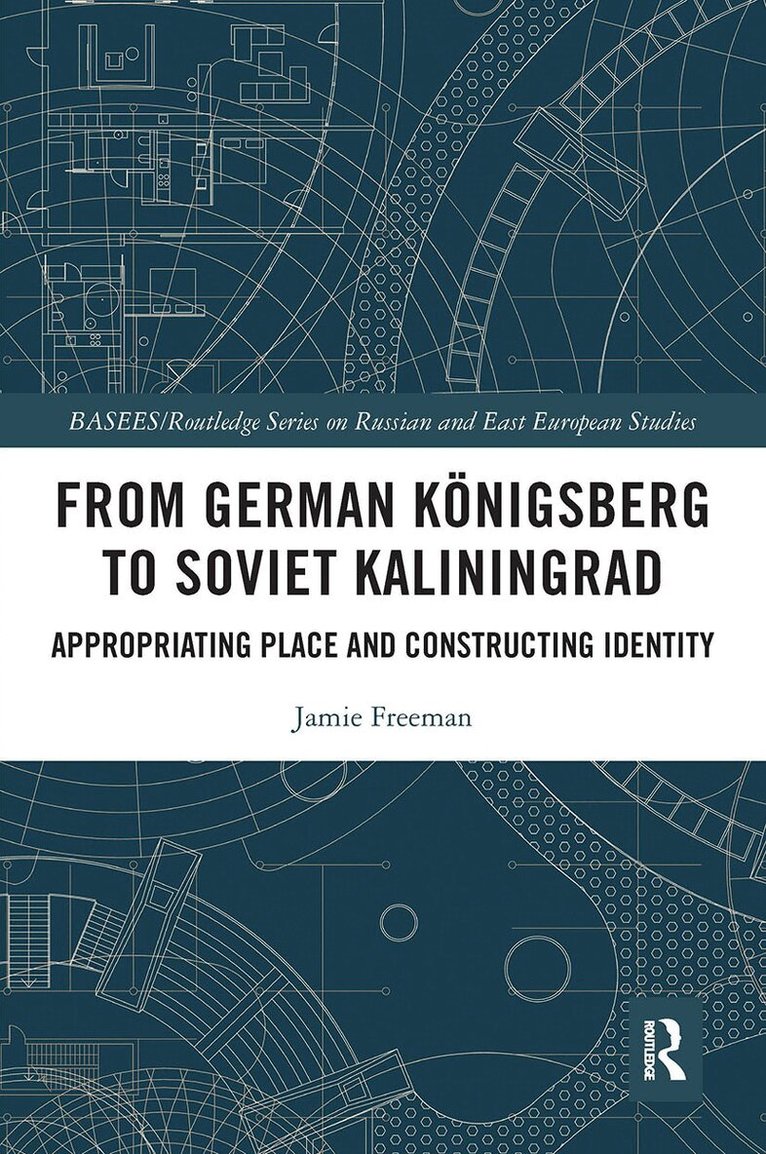
Mer från samma serie
Russia as a Great Power
Jakob Hedenskog, Vilhelm Konnander, Bertil Nygren, Ingmar Oldberg, Christer Pursiainen
Häftad, 2013
839 kr
East European Diasporas, Migration and Cosmopolitanism
Ulrike Ziemer, Sean P. Roberts
Inbunden, 2012
2 473 kr
Moscow and the Non-Russian Republics in the Soviet Union
Li Bennich-Björkman, Saulius Grybkauskas
Häftad, 2023
681 kr
Russian Revolution of 1917 - Memory and Legacy
Carol S. Leonard, Daniel Orlovsky, Jurej Petrov
Inbunden, 2024
2 163 kr
Hoppa över listan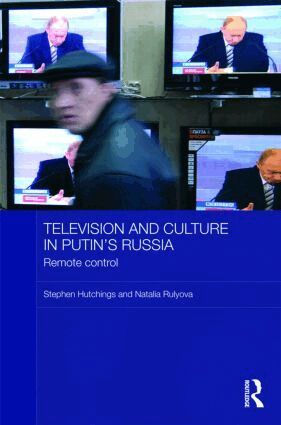
Du kanske också är intresserad av
Globalisation, Freedom and the Media after Communism
Birgit Beumers, Stephen Hutchings, Natalia Rulyova
Häftad, 2012
724 kr
Globalisation, Freedom and the Media after Communism
Natalia Rulyova, Stephen Hutchings, Birgit Beumers
E-bok
2013873 kr
Globalisation, Freedom and the Media after Communism
Natalia Rulyova, Stephen Hutchings, Birgit Beumers
E-bok
2013873 kr
Globalisation, Freedom and the Media after Communism
Birgit Beumers, Stephen Hutchings, Natalia Rulyova
Inbunden, 2009
2 473 kr