• Fri frakt över 249 kr
  • •
  • Snabba leveranser
  • •
  • Billiga böcker
Kundservice

Du är på sajten för privatpersoner.

Företag, bibliotek eller offentlig verksamhet?

Du handlar på classic.bokus.com, där alla dina funktioner finns intakta.
Till classic.bokus.com
Bokus logotyp. Gå till startsidan.
  • Erbjudanden
  • Nyheter
  • Student
  • Topplistor
  • Barn & ungdom
  • Bokus Play
  • E-böcker
  • Pocketböcker
  • Spel & pussel

10% rabatt på allt med kod: NYSTART10 →

Sidfot

Mina sidor

    Hjälp

    • Kundservice
    • Vanliga frågor och svar
    • Frakt och leverans
    • Retur vid ångerrätt
    • Reklamera vara
    • Betalning
    • Köpvillkor
    • Allmänna villkor
    • Information om webbplatsens tillgänglighet

    Om Bokus

    • Om oss
    • Pressrum
    • För studenter
    • För företag
    • För bibliotek och offentlig verksamhet
    • För leverantörer
    • Hållbarhet

    Populärt

    • Aktuella erbjudanden
    • Presentkort
    • Studentlitteratur
    • Nya böcker
    • Topplistor
    • Signerade böcker
    • Engelska böcker

    Inspiration

    • Boktips
    • BookTok
    • Populära bokserier
    • Barnbokskaraktärer
    • Populära författare
    Logotyp för Bokus
    Följ oss på Facebook (extern länk)Följ oss på Instagram (extern länk)Följ oss på YouTube (extern länk)Följ oss på TikTok (extern länk)
    bokus @ CookiesAnpassa cookiesIntegritetspolicyKöpvillkor
    Till Citymail hemsida (extern länk)Till Budbee hemsida (extern länk)Till Postnord hemsida (extern länk)Till Schenker hemsida (extern länk)Till Early Bird hemsida (extern länk)Till Walleys hemsida (extern länk)
    1. Samhälle och politik
    2. Samhälle och kultur
    3. Sociala och etiska frågor

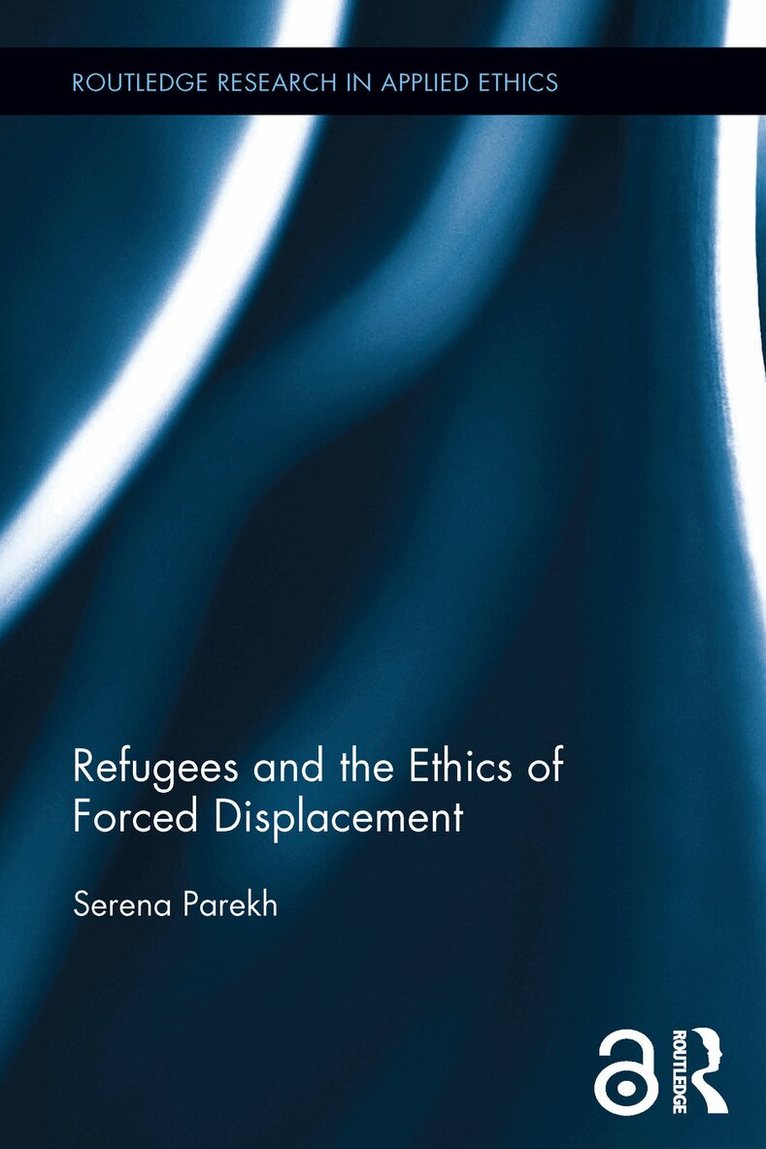
    Refugees and the Ethics of Forced Displacement

    AvSerena Parekh

    Inbunden, Engelska, 2016

    Del i serien Routledge Research in Applied Ethics

    2 645 kr

    Beställningsvara. Skickas inom 10-15 vardagar. Fri frakt över 249 kr.

    Fler format och utgåvor

    Häftad

    737 kr

    Beskrivning

    This book is a philosophical analysis of the ethical treatment of refugees and stateless people, a group of people who, though extremely important politically, have been greatly under theorized philosophically. The limited philosophical discussion of refugees by philosophers focuses narrowly on the question of whether or not we, as members of Western states, have moral obligations to admit refugees into our countries. This book reframes this debate and shows why it is important to think ethically about people who will never be resettled and who live for prolonged periods outside of all political communities. Parekh shows why philosophers ought to be concerned with ethical norms that will help stateless people mitigate the harms of statelessness even while they remain formally excluded from states. The Open Access version of this book, available at https://doi.org/10.4324/9781315883854, has been made available under a Creative Commons Attribution-Non Commercial-No Derivatives 4.0 license.

    Produktinformation

    • Utgivningsdatum:2016-11-11
    • Mått:152 x 229 x 14 mm
    • Vikt:362 g
    • Format:Inbunden
    • Språk:Engelska
    • Serie:Routledge Research in Applied Ethics
    • Antal sidor:170
    • Förlag:Taylor & Francis Ltd
    • ISBN:9780415712613

    Utforska kategorier

    • Sociala och etiska frågor inom Samhälle och politik
    • Sociologi inom Samhälle och politik
    • Filosofiska discipliner inom Filosofi och religion

    Mer om författaren

    Serena Parekh is Associate Professor in the Department of Philosophy and Religion at the Northeastern University, USA.

    Recensioner i media

    "The topic of Parekh's volume is a crucial one, and her response to that topic is insightful and powerful; I both hope and expect that further conversations about these issues will take her ideas seriously." --Notre Dame Philosophical Reviews

    Innehållsförteckning

    • Introduction 1. The Moral Significance of The Refugee Regime 2. Refugees in Contemporary Political Philosophy 3. Hannah Arendt and the Ontological Deprivation of Statelessness 4. Responsibility for the Forcibly Displaced Conclusion