Häftad, Engelska, 2017
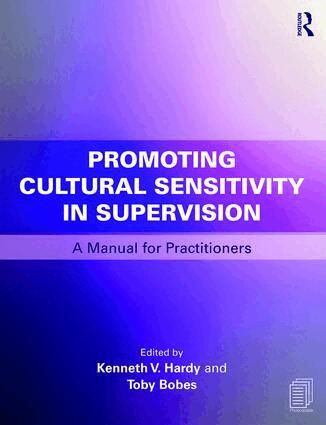
Promoting Cultural Sensitivity in Supervision
Av Kenneth V. Hardy, Toby Bobes
565 kr
Skickas inom 10-15 vardagar
Beskrivning
Promoting Cultural Sensitivity in Supervision: A Manual for Practitioners provides a roadmap for practicing and experienced supervisors to promote and integrate cultural sensitivity into the core of their work. This book is organized into four seamless, interrelated sections that are essential to developing a Multicultural Relational Perspective (MRP) in supervision: conceptual, structural, strategies and techniques, and evaluation tools. The Conceptual section provides an overview of the theory that underpins a MRP, and the Structural section provides the reader with two specific strategies for concretizing the conceptual framework. The Strategies and Techniques section includes a variety of chapters which provide supervisors and supervisees with hands-on tools for navigating difficult diversity-related conversations in supervision and beyond, as well as an array of exercises that supervisors can employ to enhance cultural sensitivity. The Evaluation Tools section provides sample instruments that can be implemented to evaluate the objectives of the entire supervisory process. For the convenience of readers, additional photocopiable supervisory resources have also been included at the end of the manual. This manual is intended for supervisors, trainers, clinicians, and trainees.
Produktinformation
- Utgivningsdatum: 2017-05-16
- Mått: 210 x 280 x 15 mm
- Vikt: 140 g
- Format: Häftad
- Språk: Engelska
- Antal sidor: 168
- Förlag: Taylor & Francis Ltd
- ISBN: 9780415787680
Utforska kategorier
Betyg & recensioner
0 recensioner
Inga recensioner tillgängliga.