
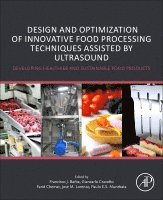
Design and Optimization of Innovative Food Processing Techniques Assisted by Ultrasound
Francisco J. Barba, Giancarlo Cravotto, Farid Chemat, Jos� Manuel Lorenzo, Paulo Eduardo Sichetti Munekata?
Häftad, 2020
1 489 kr
1 479 kr
Beställningsvara. Skickas inom 10-15 vardagar. Fri frakt över 249 kr.
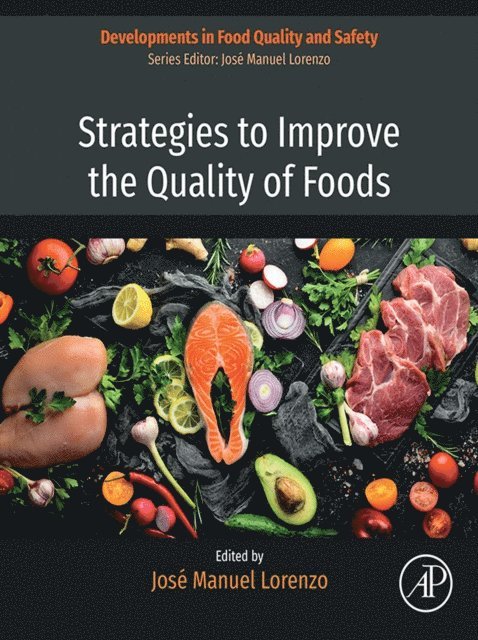
Strategies to Improve the Quality of Foods, Volume One in the Developments in Food Quality and Safety series explores salt, sugar and fat reduction, while also discussing natural alternatives and nitrate and nitrate salts. Enrichment of foods with prebiotics, probiotics and pos-biotics in food development is also explored. This series is the most up-to-date resource covering trend topics such as Advances in the analysis of toxic compounds and control of food poisoning; Food fraud, traceability and authenticity; Revalorization of agrifood industry; Natural antimicrobial compounds and application to improve the preservation of food; Non-thermal processing technologies in the food industry, and more.
Edited by Dr. Jos� Manuel Lorenzo and authored by a team of global experts in the fields of Food Quality and Safety, this series provides comprehensive knowledge to food industry personals and scientists.
Francisco J. Barba, Giancarlo Cravotto, Farid Chemat, Jos� Manuel Lorenzo, Paulo Eduardo Sichetti Munekata?
Häftad, 2020
1 489 kr
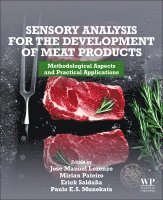
Jos� Manuel Lorenzo, Mirian Pateiro, Erick Saldana, Paulo E.S. Munekata
Häftad, 2022
1 610 kr
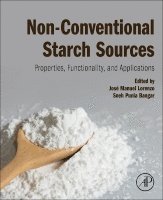
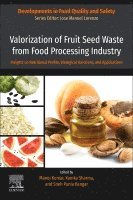
Manoj Kumar, Kanika Sharma, Sneh Punia Bangar
Häftad, 2024
1 494 kr
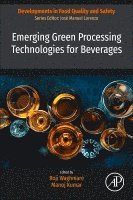
Waghmare,Roj, Roji Waghmare, Manoj Kumar
Häftad, 2025
1 812 kr
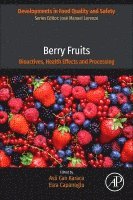
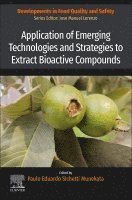
Paulo Eduardo Sichetti Munekata
Häftad, 2024
1 494 kr

Jos� Manuel Lorenzo, Mirian Pateiro, Erick Saldana, Paulo E.S. Munekata
Häftad, 2022
1 610 kr
Francisco J. Barba, Giancarlo Cravotto, Farid Chemat, Jos� Manuel Lorenzo, Paulo Eduardo Sichetti Munekata?
Häftad, 2020
1 489 kr
Paulo Eduardo Sichetti Munekata
Häftad, 2024
1 494 kr
1 479 kr
Beställningsvara. Skickas inom 10-15 vardagar. Fri frakt över 249 kr.
Strategies to Improve the Quality of Foods, Volume One in the Developments in Food Quality and Safety series explores salt, sugar and fat reduction, while also discussing natural alternatives and nitrate and nitrate salts. Enrichment of foods with prebiotics, probiotics and pos-biotics in food development is also explored. This series is the most up-to-date resource covering trend topics such as Advances in the analysis of toxic compounds and control of food poisoning; Food fraud, traceability and authenticity; Revalorization of agrifood industry; Natural antimicrobial compounds and application to improve the preservation of food; Non-thermal processing technologies in the food industry, and more.
Edited by Dr. Jos� Manuel Lorenzo and authored by a team of global experts in the fields of Food Quality and Safety, this series provides comprehensive knowledge to food industry personals and scientists.
Francisco J. Barba, Giancarlo Cravotto, Farid Chemat, Jos� Manuel Lorenzo, Paulo Eduardo Sichetti Munekata?
Häftad, 2020
1 489 kr
Jos� Manuel Lorenzo, Mirian Pateiro, Erick Saldana, Paulo E.S. Munekata
Häftad, 2022
1 610 kr
Manoj Kumar, Kanika Sharma, Sneh Punia Bangar
Häftad, 2024
1 494 kr
Waghmare,Roj, Roji Waghmare, Manoj Kumar
Häftad, 2025
1 812 kr
Paulo Eduardo Sichetti Munekata
Häftad, 2024
1 494 kr
Jos� Manuel Lorenzo, Mirian Pateiro, Erick Saldana, Paulo E.S. Munekata
Häftad, 2022
1 610 kr
Francisco J. Barba, Giancarlo Cravotto, Farid Chemat, Jos� Manuel Lorenzo, Paulo Eduardo Sichetti Munekata?
Häftad, 2020
1 489 kr
Paulo Eduardo Sichetti Munekata
Häftad, 2024
1 494 kr
1 479 kr
Beställningsvara. Skickas inom 10-15 vardagar. Fri frakt över 249 kr.
Strategies to Improve the Quality of Foods, Volume One in the Developments in Food Quality and Safety series explores salt, sugar and fat reduction, while also discussing natural alternatives and nitrate and nitrate salts. Enrichment of foods with prebiotics, probiotics and pos-biotics in food development is also explored. This series is the most up-to-date resource covering trend topics such as Advances in the analysis of toxic compounds and control of food poisoning; Food fraud, traceability and authenticity; Revalorization of agrifood industry; Natural antimicrobial compounds and application to improve the preservation of food; Non-thermal processing technologies in the food industry, and more.
Edited by Dr. Jos� Manuel Lorenzo and authored by a team of global experts in the fields of Food Quality and Safety, this series provides comprehensive knowledge to food industry personals and scientists.
Francisco J. Barba, Giancarlo Cravotto, Farid Chemat, Jos� Manuel Lorenzo, Paulo Eduardo Sichetti Munekata?
Häftad, 2020
1 489 kr
Jos� Manuel Lorenzo, Mirian Pateiro, Erick Saldana, Paulo E.S. Munekata
Häftad, 2022
1 610 kr
Manoj Kumar, Kanika Sharma, Sneh Punia Bangar
Häftad, 2024
1 494 kr
Waghmare,Roj, Roji Waghmare, Manoj Kumar
Häftad, 2025
1 812 kr
Paulo Eduardo Sichetti Munekata
Häftad, 2024
1 494 kr
Jos� Manuel Lorenzo, Mirian Pateiro, Erick Saldana, Paulo E.S. Munekata
Häftad, 2022
1 610 kr
Francisco J. Barba, Giancarlo Cravotto, Farid Chemat, Jos� Manuel Lorenzo, Paulo Eduardo Sichetti Munekata?
Häftad, 2020
1 489 kr
Paulo Eduardo Sichetti Munekata
Häftad, 2024
1 494 kr