What Mad Pursuit
398 kr
Beställningsvara. Skickas inom 3-6 vardagar. Fri frakt över 249 kr.
Du är på sajten för privatpersoner.
398 kr
Beställningsvara. Skickas inom 3-6 vardagar. Fri frakt över 249 kr.
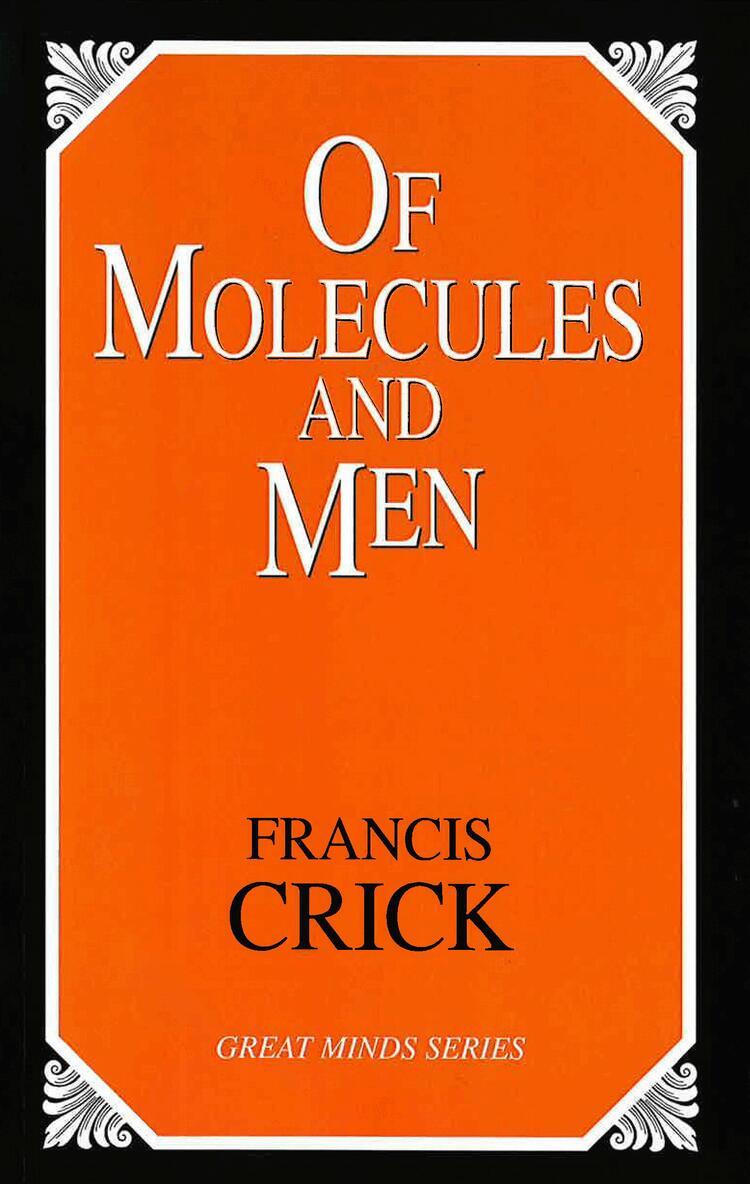
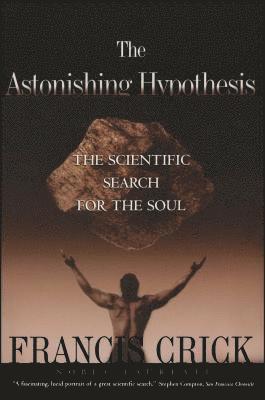
Francis Crick is the Kieckhefer Professor at the Salk Institute in La Jolla, California. He shared a Nobel Prize with James Watson and Maurice Wilkins in 1962 for the discovery of the structure of DNA, regarded as the greatest biological advance of the twentieth century.
A highly personal, but very fair, account of two stories, the discovery of the DNA double helix and the elucidation of the genetic code. There were a few small errors, for example: when he corrects the reader's impression that cyanobacter is an algae by saying that it is a bacterium: that itself is wrong. It is an archaea. But he can be excused, archaea were hardly known at the time, thier existence was demonstrated later by Woese. When he says that selecting, without ordering, "three nucleotide types from four" can be done in 20 ways, that is wrong. The correct answer is of course 4 ( 4!/3!1! in statistical language). If the ordering is considered the answer is 64.
Robert B
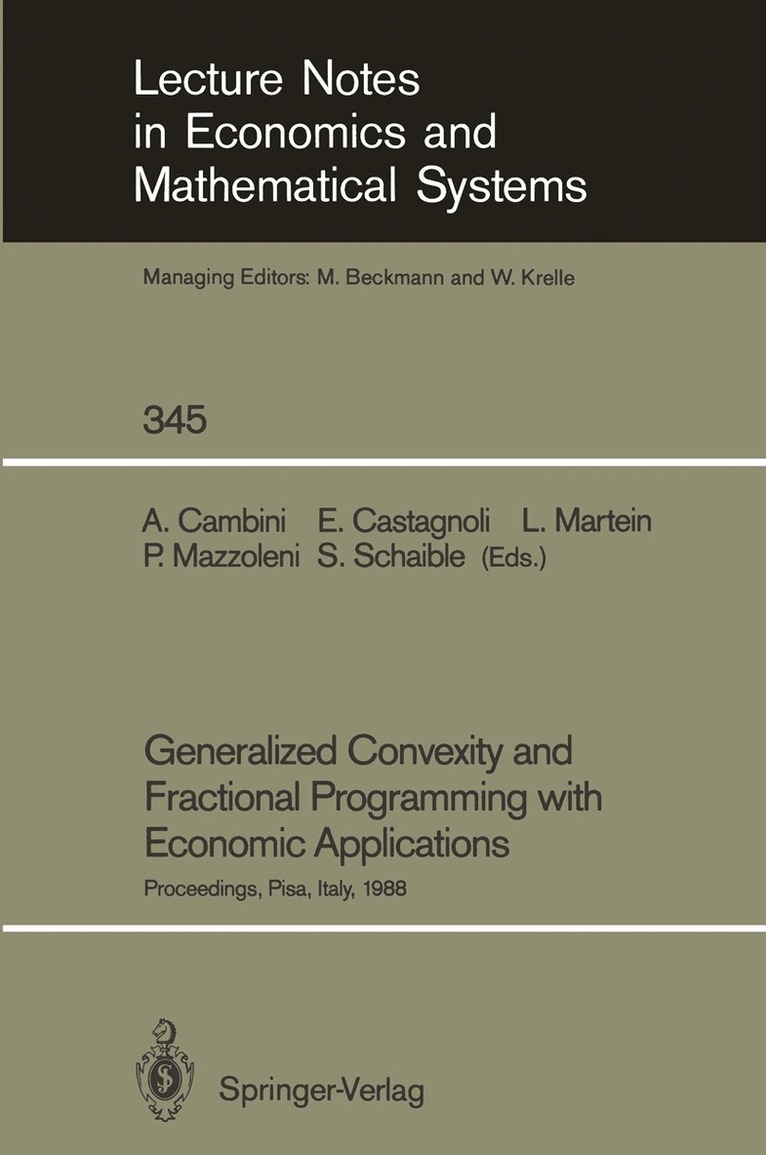
Alberto Cambini, Erio Castagnoli, Laura Martein, Piera Mazzoleni, Siegfried Schaible
Häftad, 1990
1 102 kr
Du är på sajten för privatpersoner.
398 kr
Beställningsvara. Skickas inom 3-6 vardagar. Fri frakt över 249 kr.
Francis Crick is the Kieckhefer Professor at the Salk Institute in La Jolla, California. He shared a Nobel Prize with James Watson and Maurice Wilkins in 1962 for the discovery of the structure of DNA, regarded as the greatest biological advance of the twentieth century.
A highly personal, but very fair, account of two stories, the discovery of the DNA double helix and the elucidation of the genetic code. There were a few small errors, for example: when he corrects the reader's impression that cyanobacter is an algae by saying that it is a bacterium: that itself is wrong. It is an archaea. But he can be excused, archaea were hardly known at the time, thier existence was demonstrated later by Woese. When he says that selecting, without ordering, "three nucleotide types from four" can be done in 20 ways, that is wrong. The correct answer is of course 4 ( 4!/3!1! in statistical language). If the ordering is considered the answer is 64.
Robert B
Alberto Cambini, Erio Castagnoli, Laura Martein, Piera Mazzoleni, Siegfried Schaible
Häftad, 1990
1 102 kr
Du är på sajten för privatpersoner.
398 kr
Beställningsvara. Skickas inom 3-6 vardagar. Fri frakt över 249 kr.
Francis Crick is the Kieckhefer Professor at the Salk Institute in La Jolla, California. He shared a Nobel Prize with James Watson and Maurice Wilkins in 1962 for the discovery of the structure of DNA, regarded as the greatest biological advance of the twentieth century.
A highly personal, but very fair, account of two stories, the discovery of the DNA double helix and the elucidation of the genetic code. There were a few small errors, for example: when he corrects the reader's impression that cyanobacter is an algae by saying that it is a bacterium: that itself is wrong. It is an archaea. But he can be excused, archaea were hardly known at the time, thier existence was demonstrated later by Woese. When he says that selecting, without ordering, "three nucleotide types from four" can be done in 20 ways, that is wrong. The correct answer is of course 4 ( 4!/3!1! in statistical language). If the ordering is considered the answer is 64.
Robert B
Alberto Cambini, Erio Castagnoli, Laura Martein, Piera Mazzoleni, Siegfried Schaible
Häftad, 1990
1 102 kr