• Fri frakt över 249 kr
  • •
  • Snabba leveranser
  • •
  • Billiga böcker
Kundservice

Du är på sajten för privatpersoner.

Företag, bibliotek eller offentlig verksamhet?

Du handlar på classic.bokus.com, där alla dina funktioner finns intakta.
Till classic.bokus.com
Bokus logotyp. Gå till startsidan.
  • Erbjudanden
  • Nyheter
  • Student
  • Topplistor
  • Barn & ungdom
  • Bokus Play
  • E-böcker
  • Pocketböcker
  • Spel & pussel

10% rabatt på allt med kod NYSTART10 →

Sidfot

Mina sidor

    Hjälp

    • Kundservice
    • Vanliga frågor och svar
    • Frakt och leverans
    • Retur vid ångerrätt
    • Reklamera vara
    • Betalning
    • Köpvillkor
    • Allmänna villkor
    • Information om webbplatsens tillgänglighet

    Om Bokus

    • Om oss
    • Pressrum
    • För studenter
    • För företag
    • För bibliotek och offentlig verksamhet
    • För leverantörer
    • Hållbarhet

    Populärt

    • Aktuella erbjudanden
    • Presentkort
    • Studentlitteratur
    • Nya böcker
    • Topplistor
    • Signerade böcker
    • Engelska böcker

    Inspiration

    • Boktips
    • BookTok
    • Populära bokserier
    • Barnbokskaraktärer
    • Populära författare
    Logotyp för Bokus
    Följ oss på Facebook (extern länk)Följ oss på Instagram (extern länk)Följ oss på YouTube (extern länk)Följ oss på TikTok (extern länk)
    bokus @ CookiesAnpassa cookiesIntegritetspolicyKöpvillkor
    Till Citymail hemsida (extern länk)Till Budbee hemsida (extern länk)Till Postnord hemsida (extern länk)Till Schenker hemsida (extern länk)Till Early Bird hemsida (extern länk)Till Walleys hemsida (extern länk)
    1. Naturvetenskap och teknik
    2. Teknik och industri
    3. Energiteknik

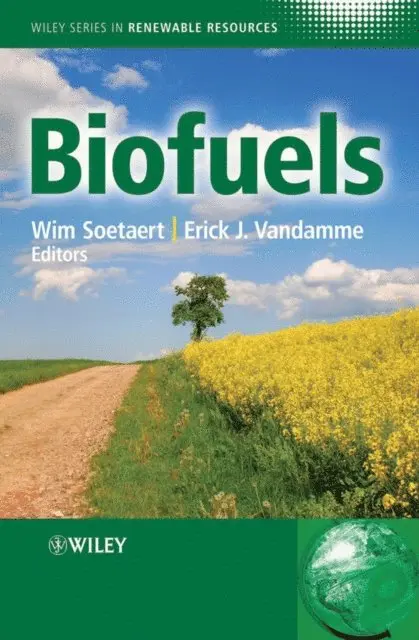
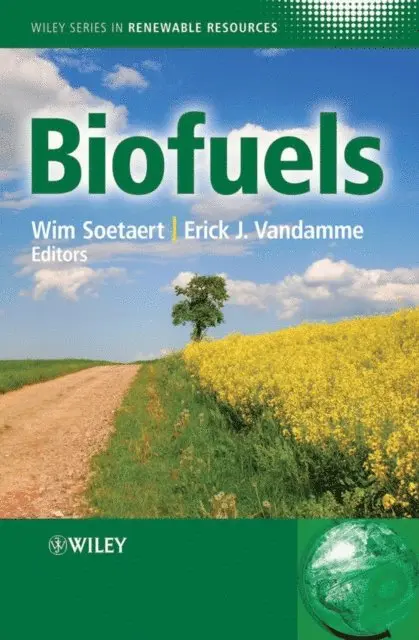
    Biofuels

    AvWim Soetaert,Erick J. Vandamme

    Inbunden, Engelska, 2009

    Del i serien Wiley Series in Renewable Resource

    1 306 kr

    Beställningsvara. Skickas inom 5-8 vardagar. Fri frakt över 249 kr.

    Beskrivning

    Biofuels Biofuels The use of biofuels is rapidly gaining momentum all over the world, and can be expected to have an ever increasing impact on the energy and agricultural sector in particular. Biofuels covers the use and conversion technologies of biomass as a renewable resource to produce bioenergy in a sustainable way, mainly in the form of liquid and gaseous biofuels. It gives a broad overview of biofuel developments from both a technical and an economical angle. The different production technologies for biofuels that exist or are under development are extensively covered in depth, dealing with both first generation as well as second generation technologies. Market developments in the sector, including trends on prices, markets and growth are also discussed. The link between the technical and economical developments are indicated throughout the text. The interactions between the technical, economical and ecological aspects are clearly expressed in this volume and are actually covered here for the first time in a single comprehensive volume. This comprehensive text will prove useful for chemists, biologists and engineers working in the emerging biofuels industry, for researchers and academics interested in the field, as well as for those active in conventional fuel companies. The book is also relevant to people active in policy or financing, either within the government, industry or academia. This volume offers an excellent source of useful information and allows reflection about the bio-based economy in general. Topics covered include: Process Technologies forBio-ethanol ProductionProcess Technologies for Biodiesel ProductionBio-based Fischer-Tropsch Diesel ProductionBiomass Digestion to MethaneBiological Hydrogen ProductionFeedstocks for BiorefineriesSustainability of Biofuels

    Produktinformation

    • Utgivningsdatum:2009-02-06
    • Mått:175 x 252 x 20 mm
    • Vikt:576 g
    • Format:Inbunden
    • Språk:Engelska
    • Serie:Wiley Series in Renewable Resource
    • Antal sidor:256
    • Förlag:John Wiley & Sons Inc
    • ISBN:9780470026748

    Utforska kategorier

    • Energiteknik inom Naturvetenskap och teknik

    Mer om författaren

    EditorsWim Soetaert, Faculty of Bioscience Engineering, Ghent University, Ghent, Belgium Erick J. Vandamme,Faculty of Bioscience Engineering, Ghent University, Ghent, Belgium Series EditorChristian StevensFaculty of Bioscience Engineering, Ghent University, Ghent, Belgium

    Recensioner i media

    ?This compilation provides a worthwhile insight into the past accomplishments, future needs, and economics in developing this industry that will meet a growing demand for energy.? (CHOICE, October 2009) "This book highlights in a highly topical, competent and clear-cut presentation the significance of producing energy carriers from biobased feedstocks and their transformation processes. It encompasses developments in agriculture and a multitude of production technologies regarding both sustainability of future feedstock and requirements of human nutrition." (Starch, June 2009)

    Innehållsförteckning

    • Series Preface PrefaceList of ContributorsChapter 1Biofuels in PerspectiveW. Soetaert and E. VandammeFossil versus renewable energy resourcesEconomic impactComparison of bio-energy sourcesConclusionReferencesChapter 2Sustainable Production of Cellulosic Feedstock for Biorefineries in the U.S.A.James R. Hettenhaus, Brent Erickson and Matthew T. CarrIntroductionAvailability of Cellulosic FeedstocksFeedstock OptionsSustainable RemovalErosion ControlTilling PracticeTransitioning to No-tillRealizing RemovalRemoval EconomicsClimate Change MitigationPretreatmentFarmer in Value ChainThe Start—Preprocessing Pentose Sugars and LigninContinuing downstream—Fungible Fermentation SugarsLooking UpstreamLogisticsConclusionsPolicy RecommendationsReferencesChapter 3Bio-ethanol Development in the U.S.A.Brent Erickson and Matthew T. Carr IntroductionFederal PolicyThe U.S. Ethanol MarketCorn Ethanol TechnologyCellulosic EthanolThe FutureReferencesChapter 4Bio-ethanol development(s) in BrazilArnaldo WalterIntroductionThe Brazilian experience with ethanolPolicy and regulatory instruments applied to deploy large-scale ethanol productionCost reductionsTechnological developmentIs the ethanol production in Brazil sustainable?Is Brazilian experience replicable?ConclusionsReferencesChapter 5Process Technologies for Biodiesel ProductionIntroductionBiodiesel Production WorldwideFeedstocks for Biodiesel ProductionChemical Principles of Biodiesel Production [5]Catalysts for transesterification and esterification reactionsAlkaline catalysisAcid catalysisHeterogeneous catalysisEnzymes as CatalystsTransesterification in supercritical alcoholsAlternative approachesOverview of Process TechnologiesSingle Feedstock TechnologiesMulti Feedstock TechnologiesSmall scale production unitsAlternative process technologiesChapter 6Bio-based Fischer-Tropsch Diesel Production TechnologiesRobin Zwart & René van Ree  Chapter 7Plant Oil Biofuel: Rationale, Production and ApplicationDr. Barnim JeschkeIntroductionPlant Oil Biofuels – the underlying IdeaHistory of the Plant Oil Fuel MarketPositioning of Plant Oils within the Biofuel MarketsPerspectives of the Plant Oil Fuel MarketThe MarketMarket DriversSystem RequirementsPlant Oil Conversion TechnologyOne Tank SystemTwo Tank SystemThe User PerspectiveEngine Suitability for Plant Oil ConversionChoice of Conversion Technology and ApproachOperations and MaintenanceReferencesChapter 8Enzymatic production of biodieselHideki FukudaIntroductionEnzymatic transesterification by lipaseUse of extracellular lipasesTransesterification with various types of alcoholEffective methanolysis using extracellular lipasePhenomenon of acyl migration in presence of lipaseUse of intracellular lipase as whole-cell biocatalystImmobilization by BSP-technologyMethanolysis in a packed-bed reactor using cells immobilized within BSPsEffect of fatty acid cell membrane compositionLipase localization in cells immobilized within BSPsUse of cell-surface displaying cells as whole-cell biocatalystNovel cell-surface display systemFlocculation profile of yeast cells displaying FSProROL and FLProROL fusion proteinsMethanolysis reaction using yeast cells displaying ProROLConclusions and future prospectsReferences  Chapter 9Production of Biodiesel from waste lipidsR. Verhé, C.V. StevensIntroductionAlternative resources for biodiesel productionConversion of waste frying and cooking oils into biodiesel Processing of crude and waste lipids into biodieselConclusionReferences  Chapter 10Biomass Digestion to Methane in Agriculture: A Successful Pathway for the Energy Production and Waste Treatment WorldwideP. Weiland, W. Verstraete& A. Van HaandelIntroductionBiogas production potentialGermanyBrazilBiogas production configurationsConfigurations for wastewater digestionDifferent process configurations for wet digestion fermentersDifferent process configurations for dry digestion fermentersBiogas utilizationOutlookConclusionsReferencesChapter 11Biological hydrogen production by anaerobic microorganismsW.M. Kengen, Heleen P. Goorissen, Marcel Verhaart, Ed W.J. van Niel, Pieternel A.M. Claassen and Alfons J.M. StamsIntroductionHydrogen formation in natural ecosystemsThermodynamics of hydrogen formationEnzymologyEnterobacteriaThe genus ClostridiumThe genus CaldicellulosiruptorThe genus ThermoanaerobacterThe genus ThermotogaThe genus Pyrococcus/ThermococcusApproaches for improving hydrogen productionConcluding remarksAcknowledgmentReferencesChapter 12Improving Sustainability of the Corn-Ethanol IndustryPaul W. Gallagher and Hosein ShapouriIntroductionEnergy BalanceCrop Production and Greenhouse Gas EmissionsCO2 Adjustment in a Changing Ethanol IndustryConclusionsReferences