• Fri frakt över 249 kr
  • •
  • Snabba leveranser
  • •
  • Billiga böcker
Kundservice

Du är på sajten för privatpersoner.

Företag, bibliotek eller offentlig verksamhet?

Du handlar på classic.bokus.com, där alla dina funktioner finns intakta.
Till classic.bokus.com
Bokus logotyp. Gå till startsidan.
  • Erbjudanden
  • Nyheter
  • Student
  • Topplistor
  • Barn & ungdom
  • Bokus Play
  • E-böcker
  • Pocketböcker
  • Spel & pussel

10% rabatt på allt med kod NYSTART10 →

Sidfot

Mina sidor

    Hjälp

    • Kundservice
    • Vanliga frågor och svar
    • Frakt och leverans
    • Retur vid ångerrätt
    • Reklamera vara
    • Betalning
    • Köpvillkor
    • Allmänna villkor
    • Information om webbplatsens tillgänglighet

    Om Bokus

    • Om oss
    • Pressrum
    • För studenter
    • För företag
    • För bibliotek och offentlig verksamhet
    • För leverantörer
    • Hållbarhet

    Populärt

    • Aktuella erbjudanden
    • Presentkort
    • Studentlitteratur
    • Nya böcker
    • Topplistor
    • Signerade böcker
    • Engelska böcker

    Inspiration

    • Boktips
    • BookTok
    • Populära bokserier
    • Barnbokskaraktärer
    • Populära författare
    Logotyp för Bokus
    Följ oss på Facebook (extern länk)Följ oss på Instagram (extern länk)Följ oss på YouTube (extern länk)Följ oss på TikTok (extern länk)
    bokus @ CookiesAnpassa cookiesIntegritetspolicyKöpvillkor
    Till Citymail hemsida (extern länk)Till Budbee hemsida (extern länk)Till Postnord hemsida (extern länk)Till Schenker hemsida (extern länk)Till Early Bird hemsida (extern länk)Till Walleys hemsida (extern länk)
    1. Naturvetenskap och teknik
    2. Matematik och naturvetenskap
    3. Matematik
    4. Matematisk statistik

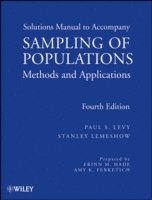
    Sampling of Populations

    Methods and Applications, Solutions Manual

    AvPaul S. Levy,Stanley Lemeshow

    Häftad, Engelska, 2009

    553 kr

    Beställningsvara. Skickas inom 5-8 vardagar. Fri frakt över 249 kr.

    Fler format och utgåvor

    Inbunden

    2 022 kr

    Häftad

    2 271 kr

    Beskrivning

    A trusted classic on the key methods in population sampling—now in a modernized and expanded new edition Sampling of Populations, Fourth Edition continues to serve as an all-inclusive resource on the basic and most current practices in population sampling. Maintaining the clear and accessible style of the previous edition, this book outlines the essential statistical methodsfor survey design and analysis, while also exploring techniques that have developed over the past decade.The Fourth Edition successfully guides the reader through the basic concepts and procedures that accompany real-world sample surveys, such as sampling designs, problems of missing data, statistical analysis of multistage sampling data, and nonresponse and poststratification adjustment procedures. Rather than employ a heavily mathematical approach, the authors present illustrative examples that demonstrate the rationale behind common steps in the sampling process, from creating effective surveys to analyzing collected data. Along with established methods, modern topics are treated through the book's new features, which include: A new chapter on telephone sampling, with coverage of declining response rates, the creation of "do not call" lists, and the growing use of cellular phonesA new chapter on sample weighting that focuses on adjustments to weight for nonresponse, frame deficiencies, and the effects of estimator instabilityAn updated discussion of sample survey data analysis that includes analytic procedures for estimation and hypothesis testingA new section on Chromy's widely used method of taking probability proportional to size samples with minimum replacement of primary sampling unitsAn expanded index with references on the latest research in the fieldAll of the book's examples and exercises can be easily worked out using various software packages including SAS, STATA, and SUDAAN, and an extensive FTP site contains additional data sets. With its comprehensive presentation and wealth of relevant examples, Sampling of Populations, Fourth Edition is an ideal book for courses on survey sampling at the upper-undergraduate and graduate levels. It is also a valuable reference for practicing statisticians who would like to refresh their knowledge of sampling techniques.

    Produktinformation

    • Utgivningsdatum:2009-02-13
    • Mått:213 x 277 x 13 mm
    • Vikt:499 g
    • Format:Häftad
    • Språk:Engelska
    • Antal sidor:208
    • Upplaga:4
    • Förlag:John Wiley & Sons Inc
    • ISBN:9780470401019

    Utforska kategorier

    • Matematisk statistik inom Naturvetenskap och teknik
    • Sociologi inom Samhälle och politik

    Mer om författaren

    PAUL S. LEVY is Senior Research Statistician at RTI International and is also Professor Emeritus of Epidemiology and Biostatistics at the University of Illinois School of Public Health. He is a Fellow of both the American Statistical Association and the American College of Epidemiology and has been widely published during his long and distinguished career as a statistician and epidemiologist. Most recently he served as section editor for design of experiments and sample surveys of the first and second editions of the Wiley Encyclopedia of Biostatistics. STANLEY LEMESHOW, PhD, is Professor of Biostatistics in the?Department of Biostatistics and Epidemiology and Dean of the Ohio State University School of Public Health in Columbus, Ohio. He is also a Fellow of the American Statistical Association, as well as an ardent producer of journal articles and workshops.

    Innehållsförteckning

    • Chapter 1. Exercise 1.1.Exercise 1.2.Exercise 1.3.Exercise 1.4.Exercise 1.5.Exercise 1.6.Exercise 1.7.Exercise 1.8.Chapter 2.Exercise 2.1.Exercise 2.2.Exercise 2.3.Exercise 2.4.Exercise 2.5.Exercise 2.6.Exercise 2.7.Exercise 2.8.Exercise 2.9.Chapter 3.Exercise 3.1.Exercise 3.2.Exercise 3.3.Exercise 3.4.Exercise 3.5.Exercise 3.6.Exercise 3.7.Exercise 3.8.Exercise 3.9.Exercise 3.10.Exercise 3.11.Exercise 3.12.Exercise 3.13.Chapter 4.Exercise 4.1.Exercise 4.2.Exercise 4.3.Exercise 4.4.Exercise 4.5.Exercise 4.6.Exercise 4.7.Exercise 4.8.Exercise 4.9.Exercise 4.10.Exercise 4.11.Exercise 4.12.Exercise 4.13.Chapter 5.Exercise 5.1.Exercise 5.2.Exercise 5.3.Exercise 5.4.Exercise 5.5.Exercise 5.6.Exercise 5.7.Exercise 5.8.Exercise 5.9.Exercise 5.10.Chapter 6.Exercise 6.1.Exercise 6.2.Exercise 6.3.Exercise 6.4.Exercise 6.5.Exercise 6.6.Exercise 6.7.Exercise 6.8.Exercise 6.9.Exercise 6.10.Exercise 6.11.Chapter 7.Exercise 7.1.Exercise 7.2.Exercise 7.3.Exercise 7.4.Exercise 7.5.Exercise 7.6.Exercise 7.7.Exercise 7.8.Exercise 7.9.Exercise 7.10.Exercise 7.11.Exercise 7.12.Chapter 8.Exercise 8.1.Exercise 8.2.Exercise 8.3.Chapter 9.Exercise 9.1.Exercise 9.2.Exercise 9.3.Exercise 9.4.Exercise 9.5.Exercise 9.6.Exercise 9.7.Exercise 9.8.Exercise 9.9.Exercise 9.10.Exercise 9.11.Exercise 9.12.Chapter 10.Exercise 10.1Exercise 10.2.Exercise 10.3.Exercise 10.4.Exercise 10.5.Exercise 10.6.Exercise 10.7.Exercise 10.8.Exercise 10.9.Exercise 10.10.Exercise 10.11.Exercise 10.12.Exercise 10.13.Exercise 10.14.Exercise 10.15.Exercise 10.16.Exercise 10.17.Exercise 10.18.Exercise 10.19.Chapter 11.Exercise 11.1.Exercise 11.2.Exercise 11.3.Exercise 11.4.Exercise 11.5.Exercise 11.6.Chapter 12.Exercise 12.1.Exercise 12.2.Exercise 12.3.Exercise 12.4.Chapter 13.Exercise 13.1Exercise 13.2.Exercise 13.3.Exercise 13.4.Exercise 13.5.Exercise 13.5.Exercise 13.6.Chapter 14.Exercise 14.1.Exercise 14.2.Exercise 14.3.Exercise 14.4.Exercise 14.5.Chapter 15.Exercise 15.1.Exercise 15.2.Exercise 15.3.