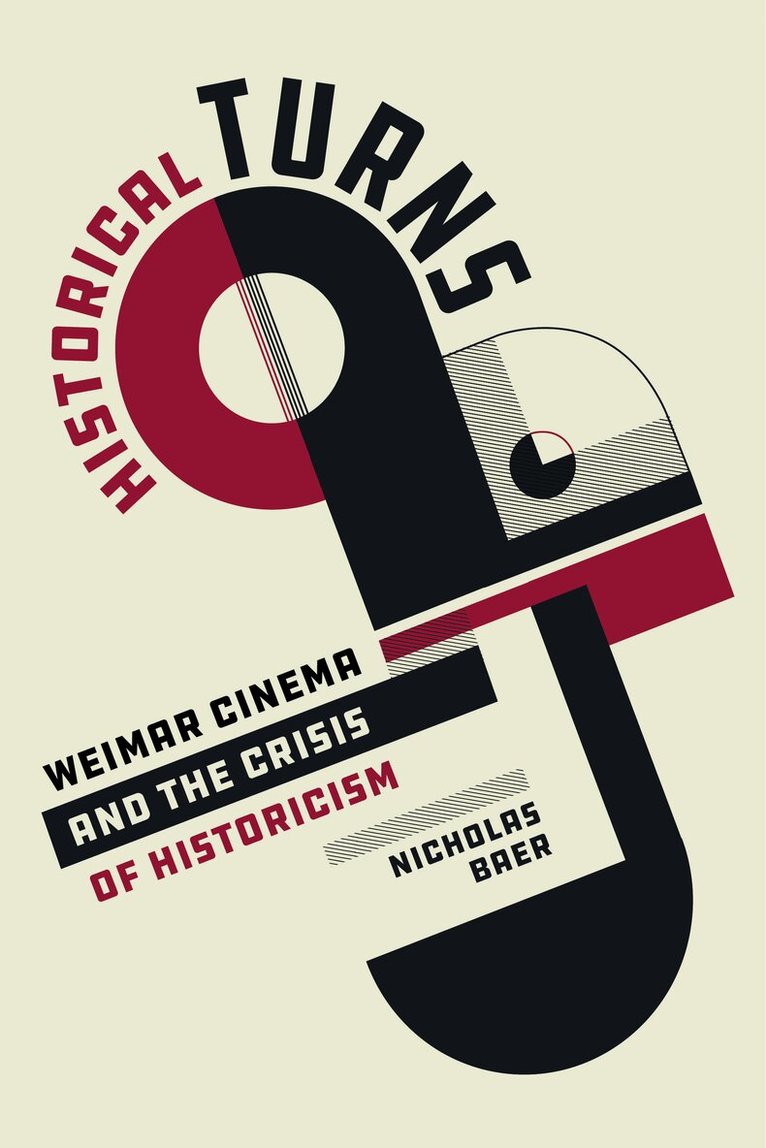
Inbunden, Engelska, 2024
Historical Turns
Weimar Cinema and the Crisis of Historicism
827 kr
Beställningsvara. Skickas inom 7-10 vardagar. Fri frakt över 249 kr.
Fler format och utgåvor
Beskrivning
Produktinformation
- Utgivningsdatum: 2024-07-30
- Mått: 152 x 229 x 20 mm
- Vikt: 590 g
- Format: Inbunden
- Språk: Engelska
- Antal sidor: 272
- Förlag: University of California Press
- ISBN: 9780520398818
Utforska kategorier
Mer om författaren
Nicholas Baer is Assistant Professor of German at the University of California, Berkeley, with affiliations in Film & Media, Critical Theory, and Jewish Studies. He is coeditor of The Promise of Cinema: German Film Theory, 1907–1933; Unwatchable; and Technics: Media in the Digital Age.
Recensioner i media
"This remarkable intellectual history excavates the scope and significance of the reaction against the entrenched ‘historicism’ that engaged German critics and filmmakers in the 1920s. . . . Baer’s signal achievement, however, is in the compelling case he makes that motion picture film was formally inextricable from philosophical thought about the mechanical device and its image that defined perception as well as delivered representations of the world. . . . A model for our time."
Betyg & recensioner
0 recensioner
Inga recensioner tillgängliga.