• Fri frakt över 249 kr
  • •
  • Snabba leveranser
  • •
  • Billiga böcker
Kundservice

Du är på sajten för privatpersoner.

Företag, bibliotek eller offentlig verksamhet?

Du handlar på classic.bokus.com, där alla dina funktioner finns intakta.
Till classic.bokus.com
Bokus logotyp. Gå till startsidan.
  • Erbjudanden
  • Nyheter
  • Student
  • Topplistor
  • Barn & ungdom
  • Bokus Play
  • E-böcker
  • Pocketböcker
  • Spel & pussel

10% rabatt på allt med kod: NYSTART10 →

Sidfot

Mina sidor

    Hjälp

    • Kundservice
    • Vanliga frågor och svar
    • Frakt och leverans
    • Retur vid ångerrätt
    • Reklamera vara
    • Betalning
    • Köpvillkor
    • Allmänna villkor
    • Information om webbplatsens tillgänglighet

    Om Bokus

    • Om oss
    • Pressrum
    • För studenter
    • För företag
    • För bibliotek och offentlig verksamhet
    • För leverantörer
    • Hållbarhet

    Populärt

    • Aktuella erbjudanden
    • Presentkort
    • Studentlitteratur
    • Nya böcker
    • Topplistor
    • Signerade böcker
    • Engelska böcker

    Inspiration

    • Boktips
    • BookTok
    • Populära bokserier
    • Barnbokskaraktärer
    • Populära författare
    Logotyp för Bokus
    Följ oss på Facebook (extern länk)Följ oss på Instagram (extern länk)Följ oss på YouTube (extern länk)Följ oss på TikTok (extern länk)
    bokus @ CookiesAnpassa cookiesIntegritetspolicyKöpvillkor
    Till Citymail hemsida (extern länk)Till Budbee hemsida (extern länk)Till Postnord hemsida (extern länk)Till Schenker hemsida (extern länk)Till Early Bird hemsida (extern länk)Till Walleys hemsida (extern länk)
    1. Historia och arkeologi
    2. Historia
    3. Europas historia

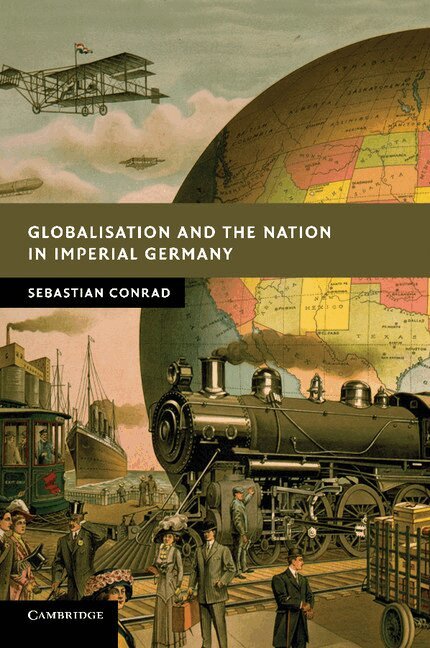
    Globalisation and the Nation in Imperial Germany

    AvSebastian Conrad

    Häftad, Engelska, 2010

    Del i serien New Studies in European History

    430 kr

    Beställningsvara. Skickas inom 10-15 vardagar. Fri frakt över 249 kr.

    Fler format och utgåvor

    Inbunden

    960 kr

    Beskrivning

    The process of globalisation in the late nineteenth century had a profound effect on the trajectories of German nationalism. While the existing literature on the subject has largely remained within the confines of national history, Sebastian Conrad uses the example of mobility and labour migration to show to what extent German nationalism was transformed under the auspices of global integration. Among the effects of cross border circulation were the emergence of diasporic nationalism, the racialisation of the nation, the implementation of new border regimes, and the hegemony of ideological templates that connected nationalist discourse to global geopolitics. Ranging from the African colonies, China and Brazil to the Polish speaking territories in Eastern Europe, this groundbreaking book demonstrates that the dynamics of German nationalism were not only negotiated in the Kaiserreich but also need to be situated in the broader context of globalisation before the First World War.

    Produktinformation

    • Utgivningsdatum:2010-09-02
    • Mått:152 x 228 x 24 mm
    • Vikt:810 g
    • Format:Häftad
    • Språk:Engelska
    • Serie:New Studies in European History
    • Antal sidor:506
    • Förlag:Cambridge University Press
    • ISBN:9780521177306
    • Översättare:Sorcha O'Hagan
    • Utmärkelser:A Choice Outstanding Academic Title 2011

    Utforska kategorier

    • Europas historia inom Historia och arkeologi

    Mer om författaren

    Sebastian Conrad is Professor of Modern History at the Free University of Berlin.

    Recensioner i media

    'No one has done more than Sebastian Conrad to bring global perspectives into the very centerground of historical debate inside Germany. This book demonstrates with compelling concreteness the difference that doing history transnationally can make.' Geoff Eley, University of Michigan, Ann Arbor

    Innehållsförteckning

    • Introduction; 1. German globalisation around 1900; 2. 'Native policy' in the colony and the metropole: 'educating to work' in East Africa and east Westphalia; 3. Between the poles: mobility and nation in Germany's 'real colony'; 4. The politics of segregation: Chinese workers, global networks and the 'colourless peril'; 5. 'Here, the German is not degenerating': Brazil, emigration and the nation's fountain of youth; 6. 'German work'; 7. Regimes of territorialisation and the globalisation of the national; 8. Bibliography.