• Fri frakt över 249 kr
  • •
  • Snabba leveranser
  • •
  • Billiga böcker
Kundservice

Du är på sajten för privatpersoner.

Företag, bibliotek eller offentlig verksamhet?

Du handlar på classic.bokus.com, där alla dina funktioner finns intakta.
Till classic.bokus.com
Bokus logotyp. Gå till startsidan.
  • Erbjudanden
  • Student
  • Topplistor
  • Barn & ungdom
  • Bokus Play
  • E-böcker
  • Ljudböcker
  • Pocketböcker
  • Spel & pussel

10% rabatt på allt med kod NYSTART10 →

Sidfot

Mina sidor

    Hjälp

    • Kundservice
    • Vanliga frågor och svar
    • Frakt och leverans
    • Retur vid ångerrätt
    • Reklamera vara
    • Betalning
    • Köpvillkor
    • Allmänna villkor
    • Information om webbplatsens tillgänglighet

    Om Bokus

    • Om oss
    • Pressrum
    • För studenter
    • För företag
    • För bibliotek och offentlig verksamhet
    • För leverantörer
    • Hållbarhet

    Populärt

    • Aktuella erbjudanden
    • Presentkort
    • Studentlitteratur
    • Nya böcker
    • Topplistor
    • Signerade böcker
    • Engelska böcker

    Inspiration

    • Boktips
    • BookTok
    • Populära bokserier
    • Barnbokskaraktärer
    • Populära författare
    Logotyp för Bokus
    Följ oss på Facebook (extern länk)Följ oss på Instagram (extern länk)Följ oss på YouTube (extern länk)Följ oss på TikTok (extern länk)
    bokus @ CookiesAnpassa cookiesIntegritetspolicyKöpvillkor
    Till Citymail hemsida (extern länk)Till Budbee hemsida (extern länk)Till Postnord hemsida (extern länk)Till Schenker hemsida (extern länk)Till Early Bird hemsida (extern länk)Till Walleys hemsida (extern länk)
    1. Juridik
    2. Internationell rätt
    3. Folkrätt

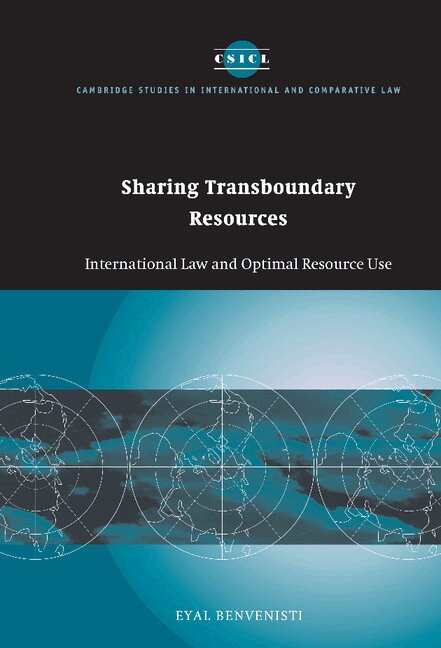
    Sharing Transboundary Resources

    International Law and Optimal Resource Use

    AvEyal Benvenisti

    Inbunden, Engelska, 2002

    Del 23 i serien Cambridge Studies in International and Comparative Law

    1 351 kr

    Beställningsvara. Skickas inom 10-15 vardagar. Fri frakt över 249 kr.

    Beskrivning

    Why do states often fail to cooperate, using transboundary natural resources inefficiently and unsustainably? This book, first published in 2002, examines the contemporary international norms and policy recommendations that could provide incentives for states to cooperate. Its approach is multi-disciplinary, proposing transnational institutions for the management of transboundary resources. Benvenisti takes a fresh approach to the problem, considering mismanagement as the link between domestic and international processes. As well, he explores reasons why some collective efforts to develop the international law on transnational ecosystems have failed, while others succeeded. This inquiry suggests that adjudicators need to be assertive in progressively developing the law, while relying on scientific knowledge more than on past practice. Global water policy issues seem set to remain a cause for concern for the foreseeable future; this study provides a new approach to the problem of freshwater, and will interest international environmentalists and lawyers, and international relations scholars and practitioners.

    Produktinformation

    • Utgivningsdatum:2002-04-04
    • Mått:159 x 236 x 25 mm
    • Vikt:620 g
    • Format:Inbunden
    • Språk:Engelska
    • Serie:Cambridge Studies in International and Comparative Law
    • Antal sidor:300
    • Förlag:Cambridge University Press
    • ISBN:9780521640985

    Utforska kategorier

    • Folkrätt inom Juridik

    Mer om författaren

    Eyal Benvenisti is Hersch Lauterpacht Professor of International Law and Director of the Minerva Center for Human Rights at the Hebrew University of Jerusalem.

    Recensioner i media

    'This highly readable, intelligent, insightful, and deeply informative book will leave its mark on subsequent scholarship in the field … Benvenisti has made important pathbreaking contributions with this book.' Connecticut Journal of International Law

    Innehållsförteckning

    • Introduction; 1. The need for collective action in the management of transboundary resources; 2. States as collective actors; 3. The transnational conflict paradigm: structural failures and responses; 4. Transnational institutions for transboundary ecosystem management: defining the tasks and the constraints; 5. The structure and procedure of institutions for transboundary ecosystem management; 6. The development of positive international law on transboundary ecosystems: a critical analysis; 7. Efficiency, custom, and the evolution of the law; 8. Conclusion.