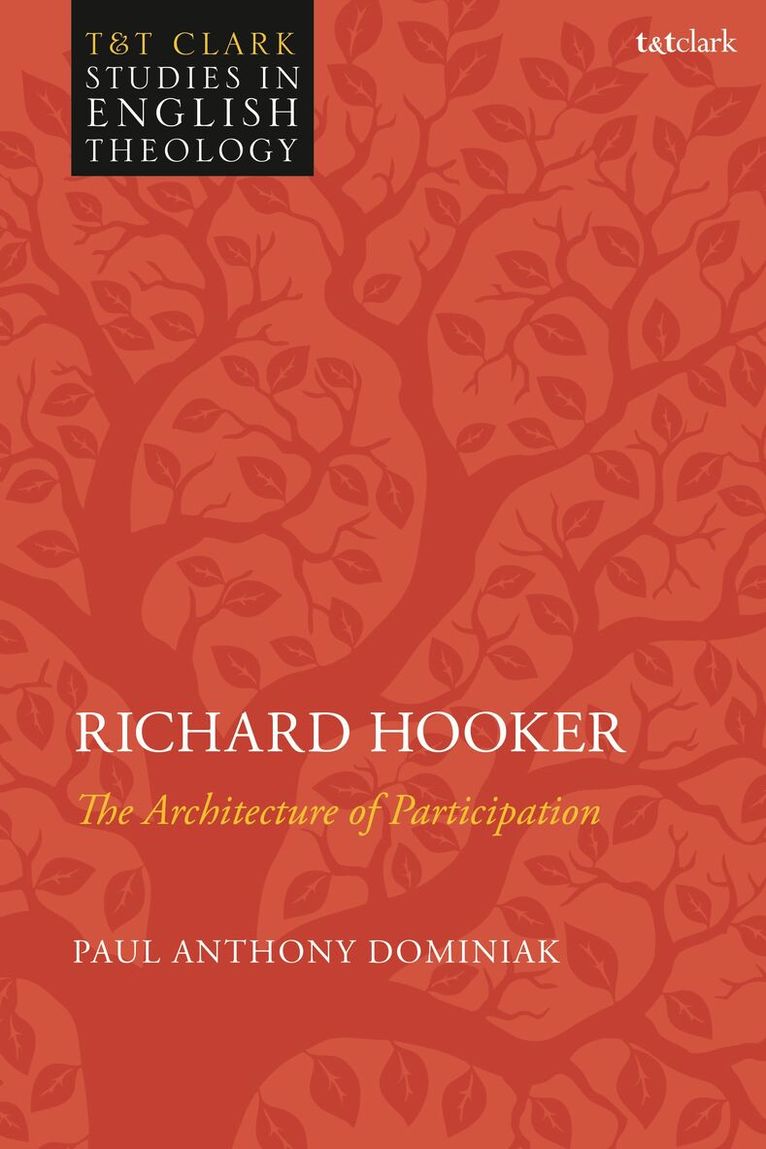
Häftad, Engelska, 2021
Richard Hooker
The Architecture of Participation
Av Paul Anthony Dominiak, Mike Higton
Del i serien T&T Clark Studies in English Theology
469 kr
Beställningsvara. Skickas inom 10-15 vardagar. Fri frakt över 249 kr.
Beskrivning
Produktinformation
- Utgivningsdatum: 2021-06-17
- Mått: 154 x 232 x 16 mm
- Vikt: 380 g
- Format: Häftad
- Språk: Engelska
- Serie: T&T Clark Studies in English Theology
- Antal sidor: 240
- Förlag: Bloomsbury Publishing PLC
- ISBN: 9780567698926
Utforska kategorier
Mer om författaren
Paul Anthony Dominiak is Vice Principal of Westcott House and an Affiliated Lecturer in the University of Cambridge, UK
Recensioner i media
Paul Dominiak’s monograph on Richard Hooker’s ‘metaphysics of participation’ is an outstanding research achievement. Opening with a discussion of the sapiential theology which inspires Hooker’s generic disposition of the species of law in the first book Of the Lawes of Ecclesiasticall Politie (1593), Dominiak argues that the work is constructed in accordance with a rigorously architectonic logic […} Dominiak’s approach is radical in that he seeks to penetrate the underlying Neoplatonic metaphysical assumptions of this early-modern English philosophical theologian, and to show how these assumptions animate the treatise as a whole. […] This is an undeniably bold thesis, and the author demonstrates his claim with admirable lucidity and panache.
Betyg & recensioner
0 recensioner
Inga recensioner tillgängliga.