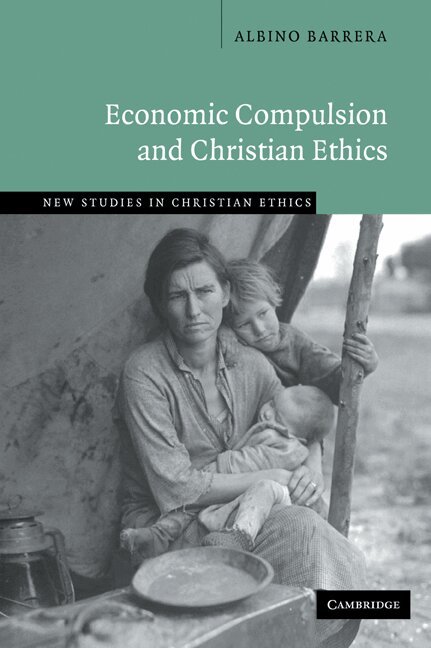
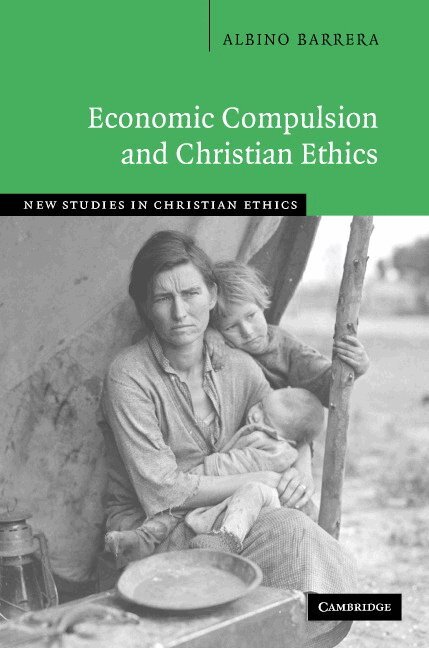
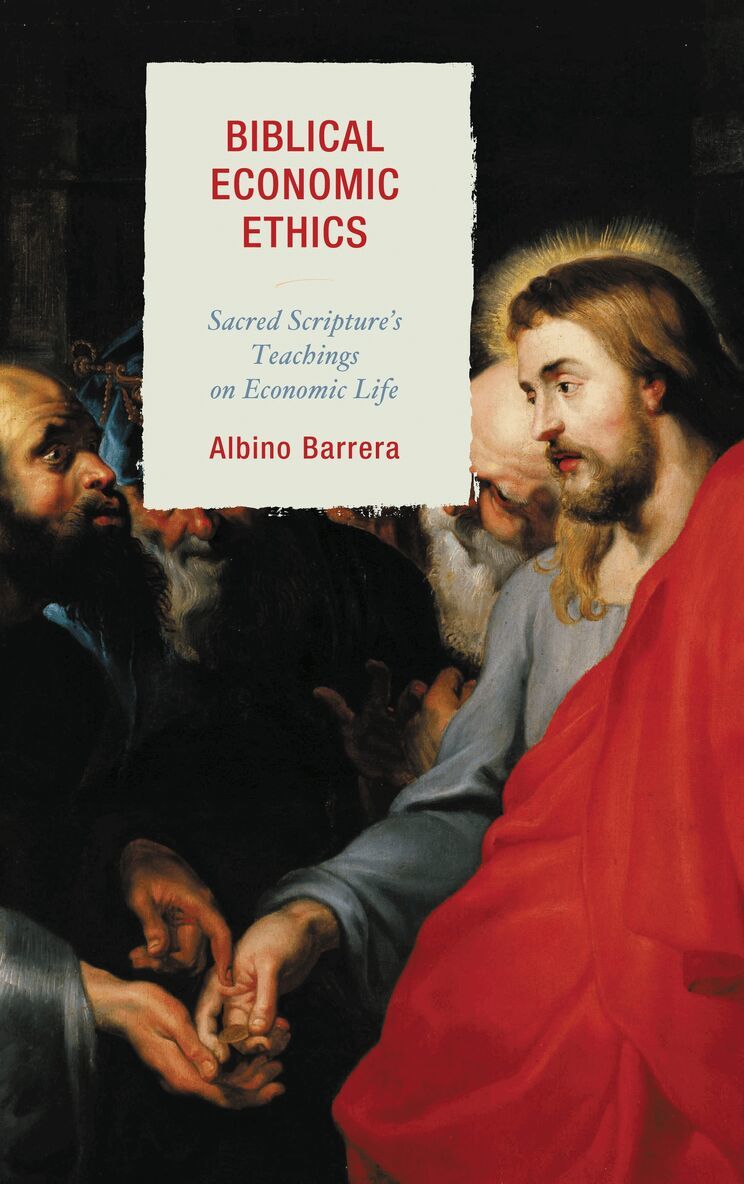
Economic obligations grounded in Judeo-Christian thought do not restrict freedom but in fact deepen and expand it. He challenges the widely held secular intuition that duties constrain choice, showing instead that obligations enable flourishing communities, sustainable rights, functioning markets, and friendship with God. Drawing on the four sources of Christian reflection (Scripture, reason, tradition, and experience), Barrera develops a rich theological and social-scientific account of economic responsibility.Part I explores theological and metaphysical foundations: economic duties build truly human communities (rooted in biblical notions of righteousness, fellowship, and the common good), express participation in divine providence (according to a Thomistic ontology of order), and invite friendship with God (as our accountability reflects an I–Thou relationship). Part II offers a social-scientific analysis: via mainstream economic theory, Chapter 4 shows that non-contractual obligations serve as extra-market mechanisms that remedy market failure; Chapter 5 argues that sustaining rights and entitlements depends on our mutual commitments. In the concluding synthesis, Barrera frames economic obligations as sacramental: through them, God provides for us via one another.Barrera’s conclusion is seemingly paradoxical but transformative: obligations do not suffocate freedom—they structure it. By living out our economic responsibilities, we actualize both individual freedom of choice and freedom for excellence, rooted in divine friendship. His work offers a rigorous theological justification for global calls to responsible consumption (notably SDG 12) and proposes a moral–economic vision for addressing collective action problems like climate change, inequality, and environmental degradation. This book fills a critical gap in theology, moral philosophy, and economic ethics by demonstrating that responsibility is not merely a burden—but a source of liberation.