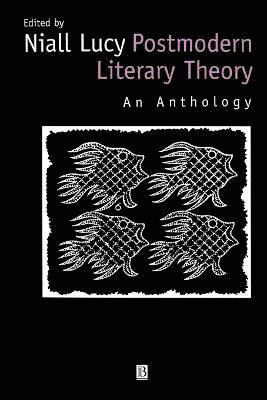
Postmodern Literary Theory
An Anthology
1 954 kr
Beställningsvara. Skickas inom 5-8 vardagar. Fri frakt över 249 kr.
Du är på sajten för privatpersoner.
1 954 kr
Beställningsvara. Skickas inom 5-8 vardagar. Fri frakt över 249 kr.
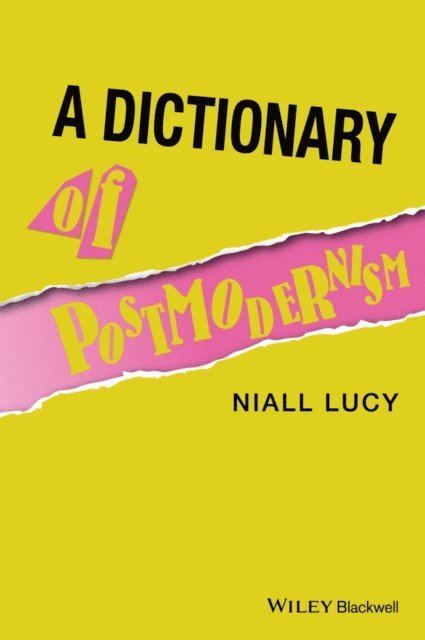
Niall Lucy is Head of the School of Arts at Murdoch University. He is the author of Postmodern Literary Theory: An Introduction (Blackwell Publishers 1997) and Debating Derrida (1995).
'This is a timely and well-constructed anthology which carves out a distinctive niche among the many recent books on postmodermism....It finds room for a wide variety of arguments, approaches and critical viewpoints and thereby encourages readers to form their own judgement as to the implications of postmodernist thinking for literary criticism and theory.'Chris Norris, University of Wales, Cardiff
Du är på sajten för privatpersoner.
1 954 kr
Beställningsvara. Skickas inom 5-8 vardagar. Fri frakt över 249 kr.
Niall Lucy is Head of the School of Arts at Murdoch University. He is the author of Postmodern Literary Theory: An Introduction (Blackwell Publishers 1997) and Debating Derrida (1995).
'This is a timely and well-constructed anthology which carves out a distinctive niche among the many recent books on postmodermism....It finds room for a wide variety of arguments, approaches and critical viewpoints and thereby encourages readers to form their own judgement as to the implications of postmodernist thinking for literary criticism and theory.'Chris Norris, University of Wales, Cardiff
Du är på sajten för privatpersoner.
1 954 kr
Beställningsvara. Skickas inom 5-8 vardagar. Fri frakt över 249 kr.
Niall Lucy is Head of the School of Arts at Murdoch University. He is the author of Postmodern Literary Theory: An Introduction (Blackwell Publishers 1997) and Debating Derrida (1995).
'This is a timely and well-constructed anthology which carves out a distinctive niche among the many recent books on postmodermism....It finds room for a wide variety of arguments, approaches and critical viewpoints and thereby encourages readers to form their own judgement as to the implications of postmodernist thinking for literary criticism and theory.'Chris Norris, University of Wales, Cardiff