Häftad, Engelska, 2014
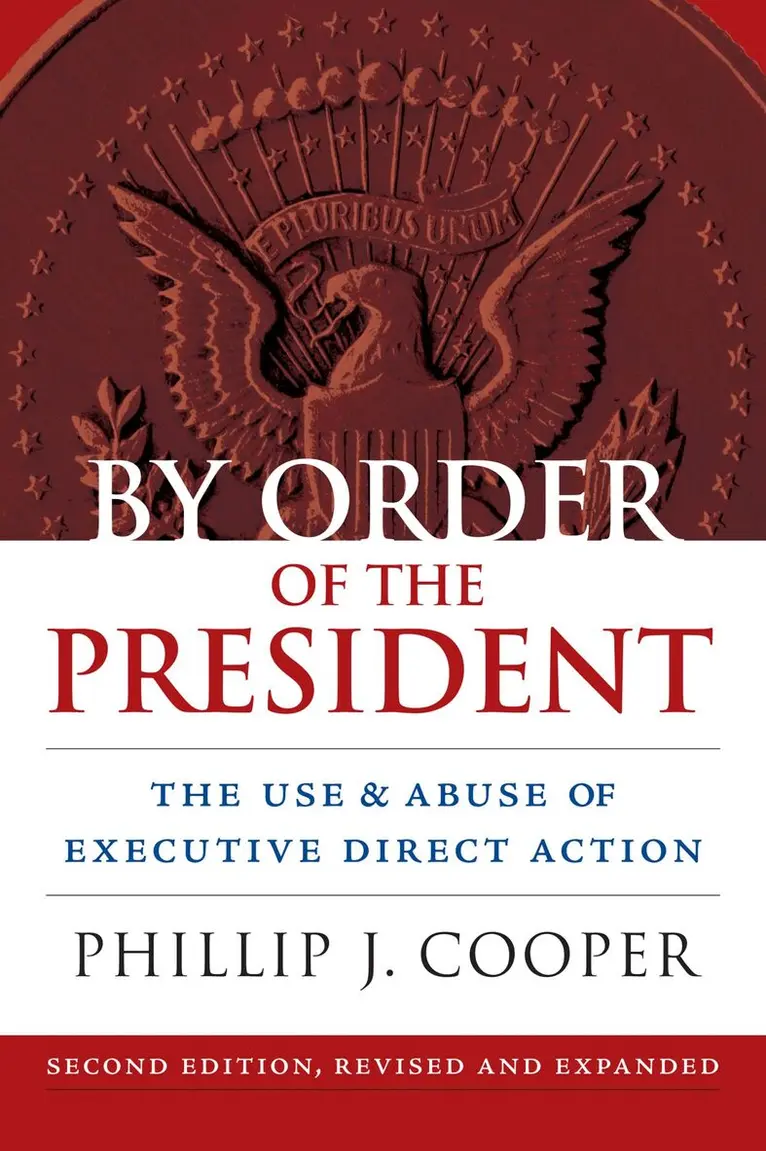
By Order of the President
437 kr
Beställningsvara. Skickas inom 10-15 vardagar. Fri frakt över 249 kr.
Beskrivning
Scholars and citizens alike have endlessly debated the proper limits of presidential action within our democracy. In this revised and expanded edition, noted scholar Phillip Cooper offers a cogent guide to these powers and shows how presidents from George Washington to Barack Obama have used and abused them in trying to realize their visions for the nation. As Cooper reveals, there has been virtually no significant policy area or level of government left untouched by the application of these presidential ""power tools."" Whether seeking to regulate the economy, committing troops to battle without a congressional declaration of war, or blocking commercial access to federal lands, presidents have wielded these powers to achieve their goals, often in ways that seem to fly in the face of true representative government. Cooper defines the different forms these powers take--executive orders, presidential memoranda, proclamations, national security directives, and signing statements--demonstrates their uses, critiques their strengths and dangers, and shows how they have changed over time. Cooper calls on events in American history with which we are all familiar but whose implications may have escaped us. Examples of executive action include, Washington's ""Neutrality Proclamation""; Lincoln's Emancipation Proclamation; the more than 1,700 executive orders issued by Woodrow Wilson in World War I; FDR also issued the order to incarcerate Japanese Americans during World War II; Truman's orders to desegregate the military; Eisenhower's numerous national security directives. JFK's order to control racial violence in Alabama. As Cooper demonstrates in his balanced treatment of these and subsequent presidencies, each successive administration finds new ways of using these tools to achieve policy goals--especially those goals they know they are unlikely to accomplish with the help of Congress. A key feature of the second edition are case studies on the post-9/11 evolution of presidential direct action in ways that have drawn little public attention. It clarifies the factors that make these policy tools so attractive to presidents and the consequences that can flow from their use and abuse in a post-9/11 environment. There is an important new chapter on ""executive agreements"" which, though they are not treaties within the meaning of the U.S. Constitution and not subject to Senate ratification, appear in many respects to be rapidly replacing treaties as instruments of foreign policy.
Produktinformation
- Utgivningsdatum: 2014-12-05
- Mått: 152 x 228 x 43 mm
- Vikt: 850 g
- Format: Häftad
- Språk: Engelska
- Antal sidor: 584
- Upplaga: 2
- Förlag: University Press of Kansas
- ISBN: 9780700620128
Utforska kategorier
Betyg & recensioner
0 recensioner
Inga recensioner tillgängliga.