• Fri frakt över 249 kr
  • •
  • Snabba leveranser
  • •
  • Billiga böcker
Kundservice

Du är på sajten för privatpersoner.

Företag, bibliotek eller offentlig verksamhet?

Du handlar på classic.bokus.com, där alla dina funktioner finns intakta.
Till classic.bokus.com
Bokus logotyp. Gå till startsidan.
  • Erbjudanden
  • Nyheter
  • Student
  • Topplistor
  • Barn & ungdom
  • Bokus Play
  • E-böcker
  • Pocketböcker
  • Spel & pussel

10% rabatt på allt med kod: NYSTART10 →

Sidfot

Mina sidor

    Hjälp

    • Kundservice
    • Vanliga frågor och svar
    • Frakt och leverans
    • Retur vid ångerrätt
    • Reklamera vara
    • Betalning
    • Köpvillkor
    • Allmänna villkor
    • Information om webbplatsens tillgänglighet

    Om Bokus

    • Om oss
    • Pressrum
    • För studenter
    • För företag
    • För bibliotek och offentlig verksamhet
    • För leverantörer
    • Hållbarhet

    Populärt

    • Aktuella erbjudanden
    • Presentkort
    • Studentlitteratur
    • Nya böcker
    • Topplistor
    • Signerade böcker
    • Engelska böcker

    Inspiration

    • Boktips
    • BookTok
    • Populära bokserier
    • Barnbokskaraktärer
    • Populära författare
    Logotyp för Bokus
    Följ oss på Facebook (extern länk)Följ oss på Instagram (extern länk)Följ oss på YouTube (extern länk)Följ oss på TikTok (extern länk)
    bokus @ CookiesAnpassa cookiesIntegritetspolicyKöpvillkor
    Till Citymail hemsida (extern länk)Till Budbee hemsida (extern länk)Till Postnord hemsida (extern länk)Till Schenker hemsida (extern länk)Till Early Bird hemsida (extern länk)Till Walleys hemsida (extern länk)
    1. Historia och arkeologi
    2. Historia
    3. Europas historia
    4. Romarna

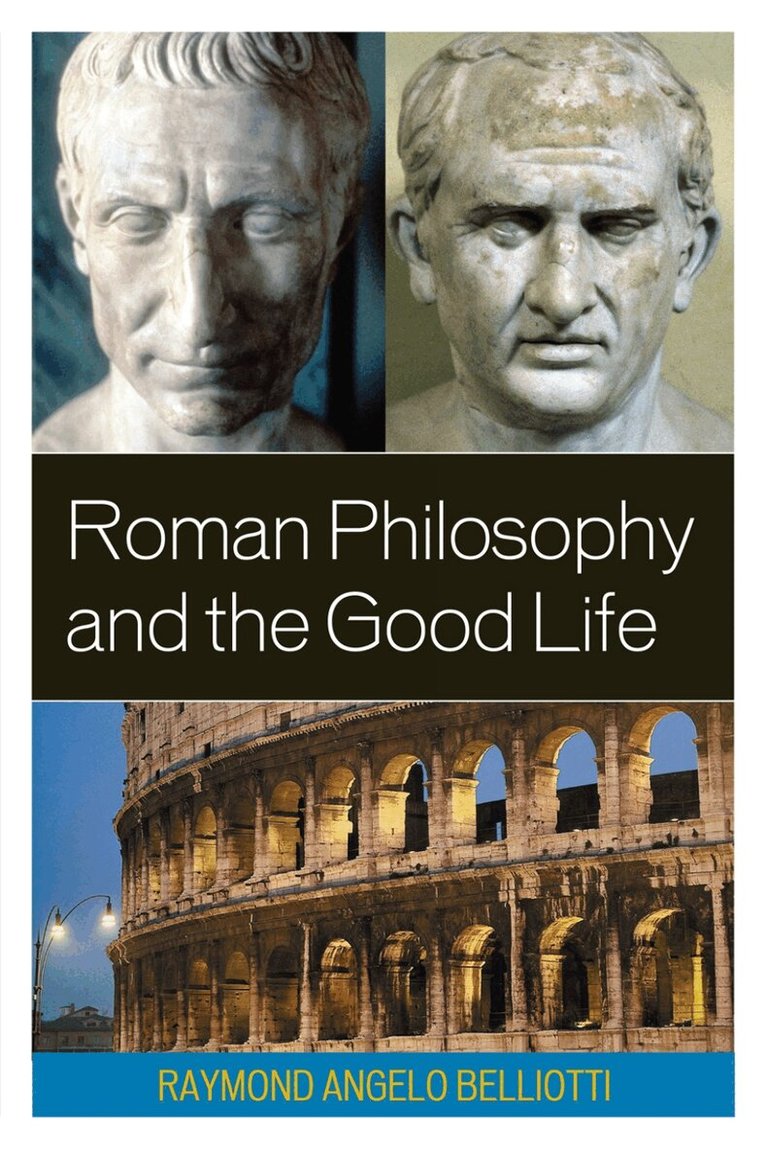
    Roman Philosophy and the Good Life

    AvRaymond Angelo Belliotti

    Häftad, Engelska, 2009

    701 kr

    Beställningsvara. Skickas inom 10-15 vardagar. Fri frakt över 249 kr.

    Beskrivning

    A practical people not prone to be lured to philosophical abstraction for its own sake, the Romans looked toward philosophy for guidance on how to live. Though wary of Greek philosophy, the Romans would come to see the need for philosophies such as Stoicism, Epicureanism, Platonism, and Aristotelianism to point the way to leading the good life. With the help of these philosophies, they attempted to grapple with some of most enduring concerns of the human condition: Who am I? How should I live my life? What, if anything, is my destiny?Raymond Angelo Belliotti's Roman Philosophy and the Good Life provides an accessible picture of these major philosophical influences in Rome and details the crucial role they played during times of major social upheaval. Belliotti demonstrates the contemporary relevance of some of the philosophical issues faced by the Romans, and offers ways in which today's society can learn from the Romans in our attempt to create meaningful lives. Roman Philosophy and the Good Life will certainly intrigue those who are drawn to Roman history and politics, and especially those who enjoy viewing philosophy in action.

    Produktinformation

    • Utgivningsdatum:2009-08-15
    • Mått:154 x 231 x 20 mm
    • Vikt:411 g
    • Format:Häftad
    • Språk:Engelska
    • Antal sidor:272
    • Förlag:Bloomsbury Publishing Plc
    • ISBN:9780739139707

    Utforska kategorier

    • Romarna inom Historia och arkeologi
    • Filosofiska discipliner inom Filosofi och religion

    Mer om författaren

    Raymond Angelo Belliotti is Distinguished Teaching Professor of Philosophy at the State University of New York at Fredonia.

    Recensioner i media

    Belliotti's Roman Philosophy and the Good Life is brilliantly written! The work exposes the intricacies of historic events and the pivotal roles played by main characters, such as Cicero, Caesar, Epicurus and Seneca, whose ideas are inherent in Western culture. Unlike many books on the classics, Belliotti sustains the novel-like appeal throughout the book without compromising philosophical rigor.

    Innehållsförteckning

    • Chapter 1 PrefaceChapter 2 AcknowledgmentsChapter 3 Introduction: The Philosophical SchoolsChapter 4 Chapter 1. The Skeptical Academy: CiceroChapter 5 Chapter 2. Stoicism I: CatoChapter 6 Chapter 3. Epicureanism: Lucretius, Caesar, and CassiusChapter 7 Chapter 4. Ides of MarchChapter 8 Chapter 5. Stoicism II: Seneca, Musonius Rufus, Epictetus, and Marcus AureliusChapter 9 Appendix A: Important Dates in Roman HistoryChapter 10 Appendix B:Cursus Honorum and Roman GovernmentChapter 11 Appendix C: Roman Historians