• Fri frakt över 249 kr
  • •
  • Snabba leveranser
  • •
  • Billiga böcker
Kundservice

Du är på sajten för privatpersoner.

Företag, bibliotek eller offentlig verksamhet?

Du handlar på classic.bokus.com, där alla dina funktioner finns intakta.
Till classic.bokus.com
Bokus logotyp. Gå till startsidan.
  • Erbjudanden
  • Nyheter
  • Student
  • Topplistor
  • Barn & ungdom
  • Bokus Play
  • E-böcker
  • Pocketböcker
  • Spel & pussel

10% studentrabatt med kod TERM26

Sidfot

Mina sidor

    Hjälp

    • Kundservice
    • Vanliga frågor och svar
    • Frakt och leverans
    • Retur vid ångerrätt
    • Reklamera vara
    • Betalning
    • Köpvillkor
    • Allmänna villkor
    • Information om webbplatsens tillgänglighet

    Om Bokus

    • Om oss
    • Pressrum
    • För studenter
    • För företag
    • För bibliotek och offentlig verksamhet
    • För leverantörer
    • Hållbarhet

    Populärt

    • Aktuella erbjudanden
    • Presentkort
    • Studentlitteratur
    • Nya böcker
    • Topplistor
    • Signerade böcker
    • Engelska böcker

    Inspiration

    • Boktips
    • BookTok
    • Populära bokserier
    • Barnbokskaraktärer
    • Populära författare
    Logotyp för Bokus
    Följ oss på Facebook (extern länk)Följ oss på Instagram (extern länk)Följ oss på YouTube (extern länk)Följ oss på TikTok (extern länk)
    bokus @ CookiesAnpassa cookiesIntegritetspolicyKöpvillkor
    Till Citymail hemsida (extern länk)Till Budbee hemsida (extern länk)Till Postnord hemsida (extern länk)Till Schenker hemsida (extern länk)Till Early Bird hemsida (extern länk)Till Walleys hemsida (extern länk)
    1. Samhälle och politik
    2. Samhälle och kultur
    3. Sociala och etiska frågor
    4. Diskriminering och rättvisa

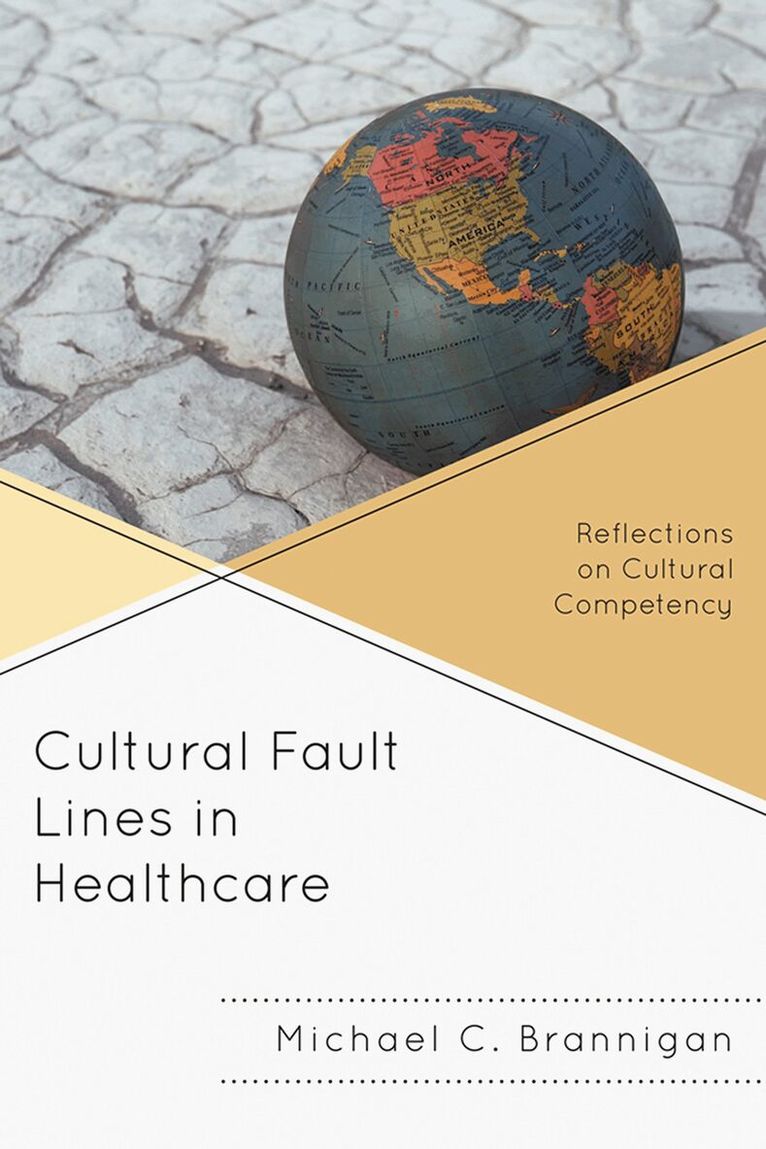
    Cultural Fault Lines in Healthcare

    Reflections on Cultural Competency

    AvMichael C. Brannigan

    Häftad, Engelska, 2011

    590 kr

    Beställningsvara. Skickas inom 10-15 vardagar. Fri frakt över 249 kr.

    Beskrivning

    Healthcare in the U.S. faces two interpenetrating certainties. First, with over 66 racial and ethnic groupings, our “American Mosaic” of worldviews and values unavoidably generates clashes in hospitals and clinics. Second, our public increasingly mistrusts our healthcare system and delivery. One certainty fuels the other. Conflicts in the clinical encounter, particularly with patients from other cultures, often challenge dominant assumptions of morally appropriate principles and behavior. In turn, lack of understanding, misinterpretation, stereotyping, and outright discrimination result in poor health outcomes, compounding further mistrust.To address these cultural fault lines, healthcare institutions have initiated efforts to ensure “cultural competence.” Yet, these efforts become institutional window-dressing without tackling deeper issues, issues having to do with attitudes, understanding, and, most importantly, ways we communicate with patients. These deeper issues reflect a fundamental, original fault line: the ever-widening gap between serving our own interests while disregarding the concerns of more vulnerable patients, those on the margins, those Others who remain disenfranchised because they are Other. This book examines this and how we must become the voice for these Others whose vulnerability and suffering are palpable. The author argues that, as a vital and necessary condition for cultural competency, we must learn to cultivate the virtue of Presence - of genuinely being there with our patients. Cultural competency is less a matter of acquiring knowledge of other cultures. Cultural competency demands as a prerequisite for all patients, not just for those who seem different, genuine embodied Presence.Genuine, interpersonal, embodied presence is especially crucial in our screen-centric and Facebook world where interaction is mediated through technologies rather than through authentic face-to-face engagement. This is sadly apparent in healthcare, where we have replaced interpersonal care with technological intervention. Indeed, we are all potential patients. When we become ill, we too will most likely assume roles of vulnerability. We too may feel as invisible as those on the margins. These are not armchair reflections. Brannigan’s incisive analysis comes from his scholarship in healthcare and intercultural ethics, along with his longstanding clinical experience in numerous healthcare settings with patients, their families, and healthcare professionals.

    Produktinformation

    • Utgivningsdatum:2011-12-19
    • Mått:156 x 230 x 8 mm
    • Vikt:186 g
    • Format:Häftad
    • Språk:Engelska
    • Antal sidor:122
    • Förlag:Bloomsbury Publishing Plc
    • ISBN:9780739149676

    Utforska kategorier

    • Diskriminering och rättvisa inom Samhälle och politik
    • Filosofiska discipliner inom Filosofi och religion
    • Etnicitet inom Samhälle och politik

    Mer om författaren

    Michael C. Brannigan (Ph.D., Philosophy, M.A., Religious Studies, University of Leuven, Belgium) is the George and Jane Pfaff Endowed Chair in Ethics and Moral Values at The College of Saint Rose in Albany, New York. Holder of the first endowed chair in the college’s history, he is also on the faculty of the Alden March Bioethics Institute at Albany Medical College. Prior to his appointment, he was Vice President for Clinical and Organizational Ethics at the Center for Practical Bioethics in Kansas City, Missouri. Before that, he was Founder and Executive Director of the Institute for Cross-Cultural Ethics at La Roche College, Pittsburgh, Pennsylvania. To complement his rich and longstanding clinical experience as an ethics consultant, hospital ethics committee advisor, and hospice volunteer, his specialty lies in ethics, Asian philosophy, medical ethics, and intercultural ethics. Along with numerous articles, his books include: Ethics Across Cultures; Striking a Balance: A Primer in Traditional Asian Values; The Pulse of Wisdom: The Philosophies of India, China, and Japan; Healthcare Ethics in a Diverse Society (co-authored); Cross-Cultural Biotechnology; and Ethical Issues in Human Cloning. He serves on the editorial boards of Health Care Analysis: An International Journal of Health Care Philosophy and Policy and Communication and Medicine. He also writes a monthly column on ethics for the Albany Times Union, at http://www.timesunion.com/brannigan/. Michael was born in Fukuoka, Japan. He and his wife Brooke, along with their dog Seamus, live in Niskayuna, New York. For fun, he plays piano, guitar, tennis, ocean kayaks, and practices martial arts.

    Recensioner i media

    This is a book about the nature of ‘cultural competency,’ its vital significance in healthcare, and the social and cultural barriers to achieving it that exist both in the process of American medical education and in the American system of health care delivery. It has a meta-message about what Brannigan regards as ‘the virtue of presence’ —how health professionals ideally should relate to, and communicate with patients and their families.

    Innehållsförteckning

    • IntroductionChapter One: When Worldviews CollideChapter Two: From Fault Lines to Cultural CompetencyChapter Three: Cultural Discourse and Its HurdlesChapter Four: On the Path to PresenceChapter Five: Cultivating Presence When There Is Distrust