• Fri frakt över 249 kr
  • •
  • Snabba leveranser
  • •
  • Billiga böcker
Kundservice

Du är på sajten för privatpersoner.

Företag, bibliotek eller offentlig verksamhet?

Du handlar på classic.bokus.com, där alla dina funktioner finns intakta.
Till classic.bokus.com
Bokus logotyp. Gå till startsidan.
  • Erbjudanden
  • Nyheter
  • Student
  • Topplistor
  • Barn & ungdom
  • Bokus Play
  • E-böcker
  • Pocketböcker
  • Spel & pussel

10% rabatt på allt med kod: NYSTART10 →

Sidfot

Mina sidor

    Hjälp

    • Kundservice
    • Vanliga frågor och svar
    • Frakt och leverans
    • Retur vid ångerrätt
    • Reklamera vara
    • Betalning
    • Köpvillkor
    • Allmänna villkor
    • Information om webbplatsens tillgänglighet

    Om Bokus

    • Om oss
    • Pressrum
    • För studenter
    • För företag
    • För bibliotek och offentlig verksamhet
    • För leverantörer
    • Hållbarhet

    Populärt

    • Aktuella erbjudanden
    • Presentkort
    • Studentlitteratur
    • Nya böcker
    • Topplistor
    • Signerade böcker
    • Engelska böcker

    Inspiration

    • Boktips
    • BookTok
    • Populära bokserier
    • Barnbokskaraktärer
    • Populära författare
    Logotyp för Bokus
    Följ oss på Facebook (extern länk)Följ oss på Instagram (extern länk)Följ oss på YouTube (extern länk)Följ oss på TikTok (extern länk)
    bokus @ CookiesAnpassa cookiesIntegritetspolicyKöpvillkor
    Till Citymail hemsida (extern länk)Till Budbee hemsida (extern länk)Till Postnord hemsida (extern länk)Till Schenker hemsida (extern länk)Till Early Bird hemsida (extern länk)Till Walleys hemsida (extern länk)
    1. Filosofi och religion
    2. Religion och tro
    3. Hinduism

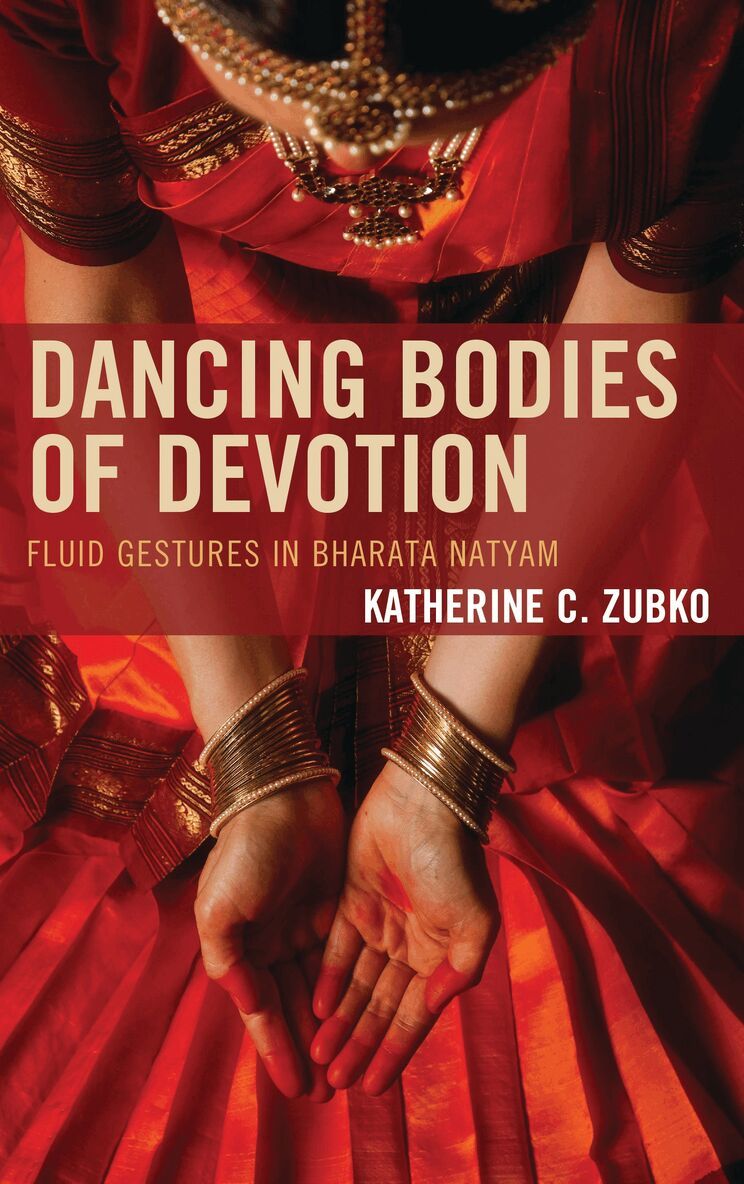
    Dancing Bodies of Devotion

    Fluid Gestures in Bharata Natyam

    AvKatherine C. Zubko

    Häftad, Engelska, 2016

    Del i serien Studies in Body and Religion

    604 kr

    Beställningsvara. Skickas inom 10-15 vardagar. Fri frakt över 249 kr.

    Beskrivning

    Dancing Bodies of Devotion: Fluid Gestures in Bharata Natyam examines how Bharata Natyam, a traditionally Hindu storytelling dance form, moves across religious boundaries through both incorporating choreography on Buddhist, Christian, Muslim, and Jain themes and the pluralistic identities of participants. Dancers traverse religious boundaries by reformulating an aesthetic foundation based on performative rather than solely textual understandings of rasa, conventionally defined as a formula for how to physically craft emotion on stage. Through the ethnographic case studies of this volume, dancers of Bharata Natyam innovatively demonstrate how the rasa of devotion (bhakti rasa), surprisingly absent from classic dance-related texts, serves as the pivotal framework for expanding on their own interreligious thematic and interpretive possibilities. In contemporary Bharata Natyam, bhakti rasa is not just about enhancing religious experience; instead, these dancers choreographically adapt various religious identities and ideas in order to emphasize pluralistic cultural and ethical dimensions in their work. Through the dancing body, multiple religious and secular interpretations fluidly co-exist.

    Produktinformation

    • Utgivningsdatum:2016-04-27
    • Mått:152 x 228 x 19 mm
    • Vikt:404 g
    • Format:Häftad
    • Språk:Engelska
    • Serie:Studies in Body and Religion
    • Antal sidor:270
    • Förlag:Bloomsbury Publishing Plc
    • ISBN:9780739195840

    Utforska kategorier

    • Hinduism inom Filosofi och religion
    • Dansböcker inom Kultur
    • Religion: allmänt inom Filosofi och religion

    Mer om författaren

    Katherine C. Zubko is assistant professor of religious studies at the University of North Carolina Asheville.

    Recensioner i media

    Zubko argues for Bhakti rasa (aesthetic flavor of devotion) in the classical Indian dance form bharata natyam, and suggests, through ethnographic examples, that there are multiple ways of embodying and communicating this devotional mood. The author's expertise in dance (as well as religion) is evident, and she points out how a dance associated with Hinduism is, in fact, also used to communicate non-Hindu--but definitively Indian--ideas and emotions. For nonexperts, the glossaries of terms and gestures will be useful and necessary. . . .For connoisseurs of this dance form, dance descriptions provide an opportunity to experience the rasa without seeing (or perhaps by imagining) the performance. . . .[The author] includes vignettes of her research experiences. She moves from one of bharata natyam's most celebrated exponents, Balasaraswati, to the much less-known Tehreema Mitha, categorizing performances as primarily devotional, educational, or cultural. In a final section she discusses what she calls 'performed pluralism,' echoing arguments about India's 'unity in diversity' and 'the one and the many.' Summing Up: Recommended. Upper-division undergraduates and above; professionals.

    Innehållsförteckning

    • Part I: Religious BodiesChapter 1: Rasa: A Taste of the DivineChapter 2: Balasaraswati and Krishna Ni Begane BaroChapter 3: Francis Barboza and Christian ThemesConclusion: Bhakti Rasa: A Re-Personalized Aesthetic of DevotionPart II: Cultural Bodies Chapter 4: Rasa and Bhakti as Indian CategoriesChapter 5: Dhananjayans’ Sanghamitra Chapter 6: Kalai Kaviri’s Gayatri MantraConclusion: Is there an Indian way of dancing devotion? Part III: Ethical BodiesChapter 7: Na?ya as Visual Education and the Ethics of RasaChapter 8: Dhananjayans’ Stree (Woman) Chapter 9: Monica Cooley’s Subhasitam: Morality Tales of India and Bhagavad Gita SabdamConclusion: An Ethics of Bhakti Rasa: Performance of a Moral Mood Part IV: Pluralistic BodiesChapter 10: Unity and Multiplicity of RasaChapter 11: Malini Srinivasan and Sufi QawwaliChapter 12: Tehreema Mitha and Ratt Jaga (The Vigil) Conclusion: Revisiting “Unity in Diversity”ConclusionGlossaryIllustrated Glossary of Gestures