Katherine C. Zubko - Böcker
Visar alla böcker från författaren Katherine C. Zubko. Handla med fri frakt och snabb leverans.
8 produkter
8 produkter
2 235 kr
Skickas inom 10-15 vardagar
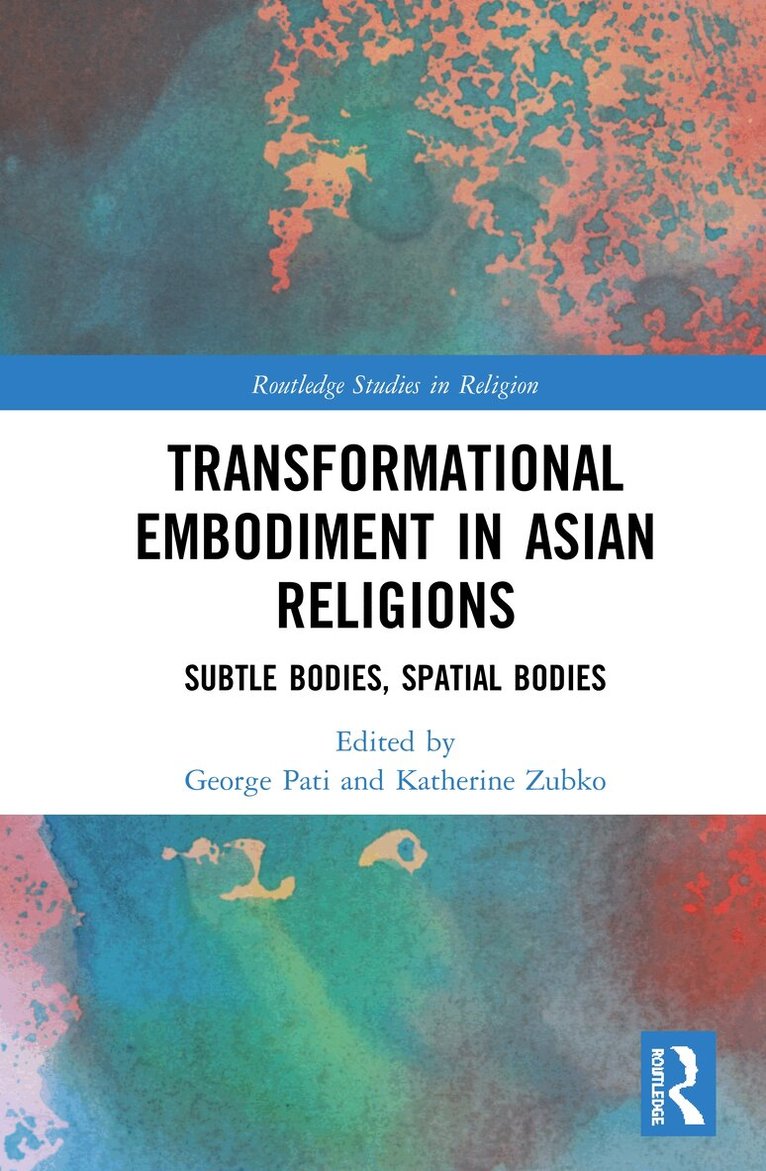
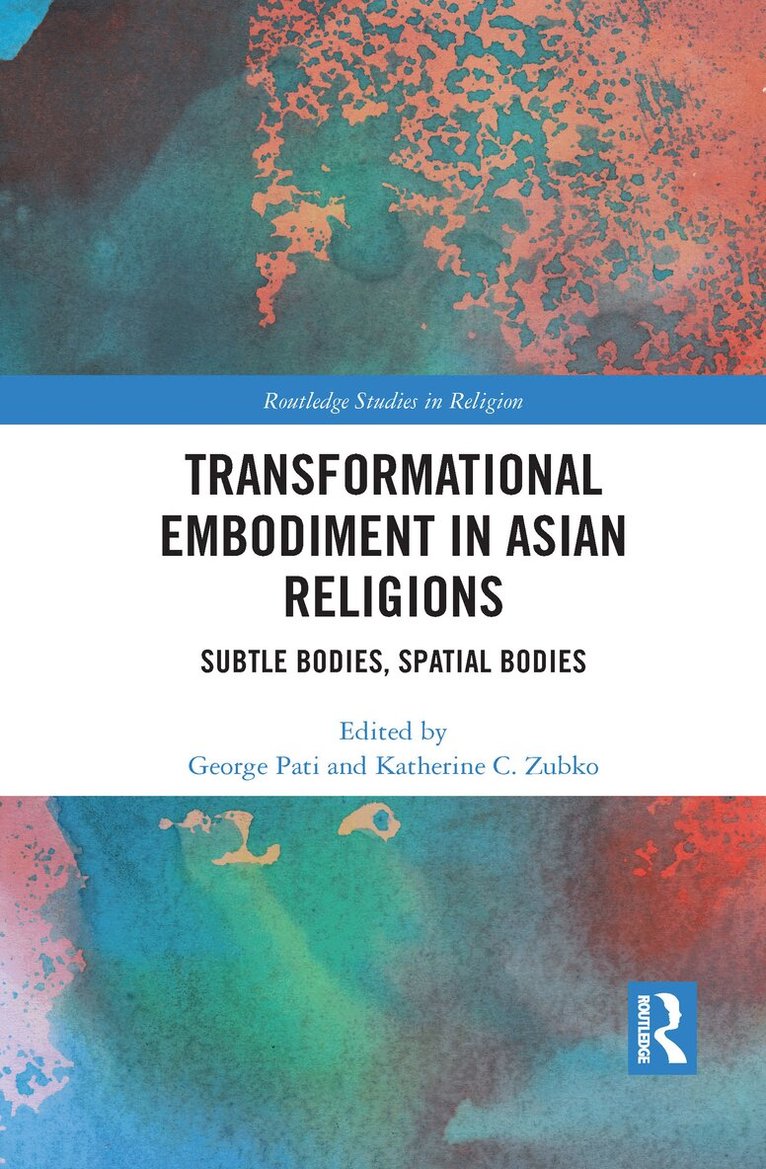
This volume examines several theoretical concerns of embodiment in the context of Asian religious practice. Looking at both subtle and spatial bodies, it explores how both types of embodiment are engaged as sites for transformation, transaction and transgression.Collectively bridging ancient and modern conceptualizations of embodiment in religious practice, the book offers a complex mapping of how body is defined. It revisits more traditional, mystical religious systems, including Hindu Tantra and Yoga, Tibetan Buddhism, Bon, Chinese Daoism and Persian Sufism and distinctively juxtaposes these inquiries alongside analyses of racial, gendered, and colonized bodies. Such a multifaceted subject requires a diverse approach, and so perspectives from phenomenology and neuroscience as well as critical race theory and feminist theology are utilised to create more precise analytical tools for the scholarly engagement of embodied religious epistemologies.This a nuanced and interdisciplinary exploration of the myriad issues around bodies within religion. As such it will be a key resource for any scholar of Religious Studies, Asian Studies, Anthropology, Sociology, Philosophy, and Gender Studies.
581 kr
Skickas inom 10-15 vardagar
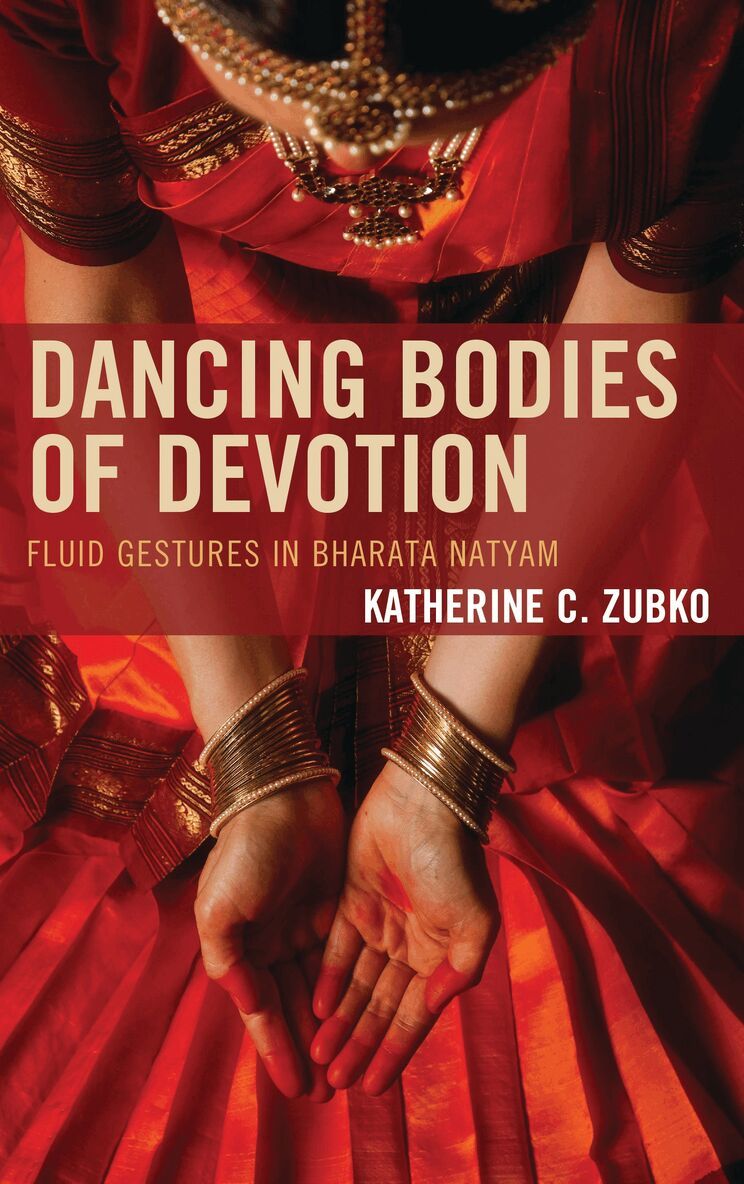
Dancing Bodies of Devotion: Fluid Gestures in Bharata Natyam examines how Bharata Natyam, a traditionally Hindu storytelling dance form, moves across religious boundaries through both incorporating choreography on Buddhist, Christian, Muslim, and Jain themes and the pluralistic identities of participants. Dancers traverse religious boundaries by reformulating an aesthetic foundation based on performative rather than solely textual understandings of rasa, conventionally defined as a formula for how to physically craft emotion on stage. Through the ethnographic case studies of this volume, dancers of Bharata Natyam innovatively demonstrate how the rasa of devotion (bhakti rasa), surprisingly absent from classic dance-related texts, serves as the pivotal framework for expanding on their own interreligious thematic and interpretive possibilities. In contemporary Bharata Natyam, bhakti rasa is not just about enhancing religious experience; instead, these dancers choreographically adapt various religious identities and ideas in order to emphasize pluralistic cultural and ethical dimensions in their work. Through the dancing body, multiple religious and secular interpretations fluidly co-exist.
628 kr
Skickas inom 10-15 vardagar
This volume examines several theoretical concerns of embodiment in the context of Asian religious practice. Looking at both subtle and spatial bodies, it explores how both types of embodiment are engaged as sites for transformation, transaction and transgression.Collectively bridging ancient and modern conceptualizations of embodiment in religious practice, the book offers a complex mapping of how body is defined. It revisits more traditional, mystical religious systems, including Hindu Tantra and Yoga, Tibetan Buddhism, Bon, Chinese Daoism and Persian Sufism and distinctively juxtaposes these inquiries alongside analyses of racial, gendered, and colonized bodies. Such a multifaceted subject requires a diverse approach, and so perspectives from phenomenology and neuroscience as well as critical race theory and feminist theology are utilised to create more precise analytical tools for the scholarly engagement of embodied religious epistemologies.This a nuanced and interdisciplinary exploration of the myriad issues around bodies within religion. As such it will be a key resource for any scholar of Religious Studies, Asian Studies, Anthropology, Sociology, Philosophy, and Gender Studies.
445 kr
Skickas inom 10-15 vardagar
The Global Humanities Reader is a collaboratively edited collection of primary sources with student-centered support features. It serves as the core curriculum of the University of North Carolina Asheville's almost-sixty-year-old interdisciplinary Humanities Program. Its three volumes--Engaging Ancient Worlds and Perspectives (Volume 1), Engaging Premodern Worlds and Perspectives (Volume 2), and Engaging Modern Worlds and Perspectives (Volume 3)--offer accessible ways to explore facets of human subjectivity and interconnectedness across cultures, times, and places. In highlighting the struggles and resilient strategies for surviving and thriving from multiple perspectives and positionalities, and through diverse voices, these volumes course correct from humanities textbooks that remain Western-centric.One of the main features of the The Global Humanities Reader is a sustained and nuanced focus on cultivating the ability to ask questions--to inquire--while enhancing culturally aware, reflective, and interdisciplinary engagements with the materials. The editorial team created a thoroughly interactive text with the following unique features that work together to actualize student success:* Cross-cultural historical introductions to each volume* Comprehensive and source-specific timelines highlighting periods, events, and people around the world* An introduction for each source with bolded key terms and questions to facilitate active engagement * Primed and Ready questions (PARs)--questions just before and after a reading that activate students' own knowledge and skills * Inquiry Corner--questions consisting of four types: Content, Comparative, Critical, and Connection * Beyond the Classroom--explore how ideas discussed in sources can apply to broader social contexts, such as job, career, project teams or professional communities * Glossary of Tags--topical 'hubs' that point to exciting new connections across multiple sourcesThese volumes reflect the central role of Humanities in deepening an empathic understanding of human experience and cultivating culturally appropriate and community-centered problem-solving skills that help us flourish as global and local citizens.
377 kr
Skickas inom 10-15 vardagar
The Global Humanities Reader is a collaboratively edited collection of primary sources with student-centered support features. It serves as the core curriculum of the University of North Carolina Asheville's almost-sixty-year-old interdisciplinary Humanities Program. Its three volumes--Engaging Ancient Worlds and Perspectives (Volume 1), Engaging Premodern Worlds and Perspectives (Volume 2), and Engaging Modern Worlds and Perspectives (Volume 3)--offer accessible ways to explore facets of human subjectivity and interconnectedness across cultures, times, and places. In highlighting the struggles and resilient strategies for surviving and thriving from multiple perspectives and positionalities, and through diverse voices, these volumes course correct from humanities textbooks that remain Western-centric.One of the main features of the The Global Humanities Reader is a sustained and nuanced focus on cultivating the ability to ask questions--to inquire--while enhancing culturally aware, reflective, and interdisciplinary engagements with the materials. The editorial team created a thoroughly interactive text with the following unique features that work together to actualize student success:* Cross-cultural historical introductions to each volume* Comprehensive and source-specific timelines highlighting periods, events, and people around the world* An introduction for each source with bolded key terms and questions to facilitate active engagement * Primed and Ready questions (PARs)--questions just before and after a reading that activate students' own knowledge and skills * Inquiry Corner--questions consisting of four types: Content, Comparative, Critical, and Connection * Beyond the Classroom--explore how ideas discussed in sources can apply to broader social contexts, such as job, career, project teams or professional communities * Glossary of Tags--topical 'hubs' that point to exciting new connections across multiple sourcesThese volumes reflect the central role of Humanities in deepening an empathic understanding of human experience and cultivating culturally appropriate and community-centered problem-solving skills that help us flourish as global and local citizens.
335 kr
Skickas inom 10-15 vardagar
The Global Humanities Reader is a collaboratively edited collection of primary sources with student-centered support features. It serves as the core curriculum of the University of North Carolina Asheville's almost-sixty-year-old interdisciplinary Humanities Program. Its three volumes--Engaging Ancient Worlds and Perspectives (Volume 1), Engaging Premodern Worlds and Perspectives (Volume 2), and Engaging Modern Worlds and Perspectives (Volume 3)--offer accessible ways to explore facets of human subjectivity and interconnectedness across cultures, times, and places. In highlighting the struggles and resilient strategies for surviving and thriving from multiple perspectives and positionalities, and through diverse voices, these volumes course correct from humanities textbooks that remain Western-centric.One of the main features of the The Global Humanities Reader is a sustained and nuanced focus on cultivating the ability to ask questions--to inquire--while enhancing culturally aware, reflective, and interdisciplinary engagements with the materials. The editorial team created a thoroughly interactive text with the following unique features that work together to actualize student success:* Cross-cultural historical introductions to each volume* Comprehensive and source-specific timelines highlighting periods, events, and people around the world* An introduction for each source with bolded key terms and questions to facilitate active engagement * Primed and Ready questions (PARs)--questions just before and after a reading that activate students' own knowledge and skills * Inquiry Corner--questions consisting of four types: Content, Comparative, Critical, and Connection * Beyond the Classroom--explore how ideas discussed in sources can apply to broader social contexts, such as job, career, project teams or professional communities * Glossary of Tags--topical 'hubs' that point to exciting new connections across multiple sourcesThese volumes reflect the central role of Humanities in deepening an empathic understanding of human experience and cultivating culturally appropriate and community-centered problem-solving skills that help us flourish as global and local citizens.
956 kr
Skickas
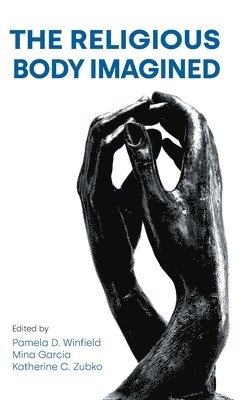
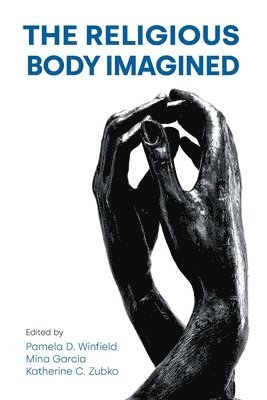
The Religious Body Imagined examines the ways in which the human body has been imagined, imaged, and discursively produced in particular places, times, and religious traditions.This book brings together representative papers from most of the world’s major traditions and geo-historical locations, and explores the religious body’s various functions, roles, and transformative effects through a range of disciplinary and theoretical lenses (e.g. visual culture, literary, performance and cultural studies, ethnography, space / place, ritual, postcolonial theory and social justice as it pertains to embodiment). Most significantly, it is organized according to novel, thought-provoking thematic foci that advance the field and can be generative for classroom use. Specifically, it includes twelve chapters organized into sections on the Gendered Body, LGBTQ Bodies, Migrating Bodies, Host Bodies, Sensational Bodies, and National Bodies.The Religious Body Imagined contributes new and original research as well as theoretical insights that can substantially help to expand our understanding of the interdisciplinary field of religion and body in general.
345 kr
Skickas
The Religious Body Imagined examines the ways in which the human body has been imagined, imaged, and discursively produced in particular places, times, and religious traditions.This book brings together representative papers from most of the world’s major traditions and geo-historical locations, and explores the religious body’s various functions, roles, and transformative effects through a range of disciplinary and theoretical lenses (e.g. visual culture, literary, performance and cultural studies, ethnography, space / place, ritual, postcolonial theory and social justice as it pertains to embodiment). Most significantly, it is organized according to novel, thought-provoking thematic foci that advance the field and can be generative for classroom use. Specifically, it includes twelve chapters organized into sections on the Gendered Body, LGBTQ Bodies, Migrating Bodies, Host Bodies, Sensational Bodies, and National Bodies.The Religious Body Imagined contributes new and original research as well as theoretical insights that can substantially help to expand our understanding of the interdisciplinary field of religion and body in general.