Häftad, Engelska, 2017
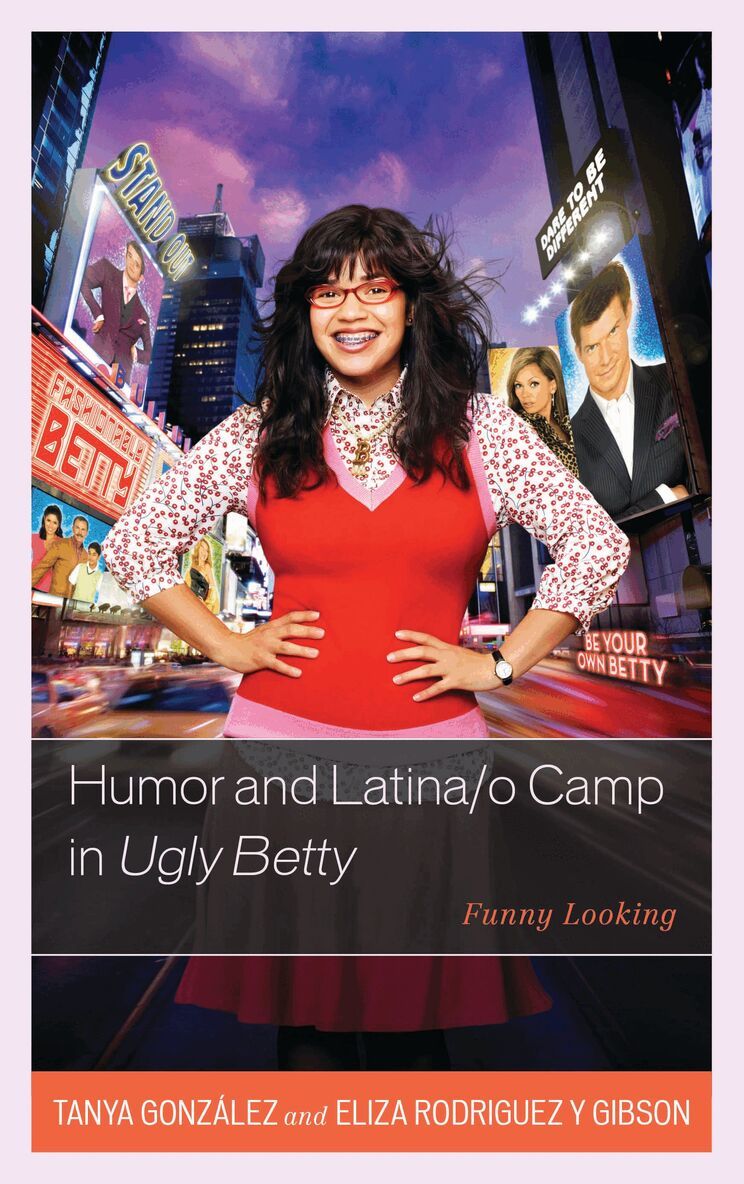
Humor and Latina/o Camp in Ugly Betty
Funny Looking
Av Tanya González, Eliza Rodriguez y Gibson
Del i serien Critical Studies in Television
629 kr
Beställningsvara. Skickas inom 10-15 vardagar. Fri frakt över 249 kr.
Beskrivning
Produktinformation
- Utgivningsdatum: 2017-07-20
- Mått: 153 x 228 x 15 mm
- Vikt: 308 g
- Format: Häftad
- Språk: Engelska
- Serie: Critical Studies in Television
- Antal sidor: 198
- Förlag: Bloomsbury Publishing Plc
- ISBN: 9780739197516
Utforska kategorier
Mer om författaren
Tanya González is associate professor in the English Department at Kansas State University.Eliza Rodriguez y Gibson is associate professor in the Department of Chicana/o Studies at Loyola Marymount University.
Recensioner i media
González and Rodriguez y Gibson use a ‘funny looking’ lens to analyze the popular television series Ugly Betty (2006–10). Featuring minority characters and taking a progressive stance on LGBTQ issues, the sitcom resides ‘on the border’—on one hand acclaimed for avoiding cliché, on the other derided for ‘humorous and campy manipulation of stereotypes.’ Embracing the ambiguities of borderland culture, the authors observe the main character’s attempt at auto-defining what it means to be a second-generation Mexican American/Chicana engaging with ‘race, ethnicity, gender and sexuality.’ Each chapter highlights specific episodes that make fun and make sense of a particular topic within Chicana/o culture. The series and thus this book give alternative representations of Latino masculinity and ‘familia.’ The authors also address immigration issues such as separation of families, adaptation of recent immigrants, and assimilation into mainstream culture of subsequent generations. They reflect on sexually charged masculine and feminine roles and new interpretations of Latina sexuality. This book illustrates a progressive ‘Latinidad’ that challenges the inequalities and injustices at the foundations of the American dream. Summing Up: Recommended. Graduate students, researchers, faculty.
Betyg & recensioner
0 recensioner
Inga recensioner tillgängliga.