• Fri frakt över 249 kr
  • •
  • Snabba leveranser
  • •
  • Billiga böcker
Kundservice

Du är på sajten för privatpersoner.

Företag, bibliotek eller offentlig verksamhet?

Du handlar på classic.bokus.com, där alla dina funktioner finns intakta.
Till classic.bokus.com
Bokus logotyp. Gå till startsidan.
  • Erbjudanden
  • Nyheter
  • Student
  • Topplistor
  • Barn & ungdom
  • Bokus Play
  • E-böcker
  • Pocketböcker
  • Spel & pussel

10% rabatt på allt med kod: NYSTART10 →

Sidfot

Mina sidor

    Hjälp

    • Kundservice
    • Vanliga frågor och svar
    • Frakt och leverans
    • Retur vid ångerrätt
    • Reklamera vara
    • Betalning
    • Köpvillkor
    • Allmänna villkor
    • Information om webbplatsens tillgänglighet

    Om Bokus

    • Om oss
    • Pressrum
    • För studenter
    • För företag
    • För bibliotek och offentlig verksamhet
    • För leverantörer
    • Hållbarhet

    Populärt

    • Aktuella erbjudanden
    • Presentkort
    • Studentlitteratur
    • Nya böcker
    • Topplistor
    • Signerade böcker
    • Engelska böcker

    Inspiration

    • Boktips
    • BookTok
    • Populära bokserier
    • Barnbokskaraktärer
    • Populära författare
    Logotyp för Bokus
    Följ oss på Facebook (extern länk)Följ oss på Instagram (extern länk)Följ oss på YouTube (extern länk)Följ oss på TikTok (extern länk)
    bokus @ CookiesAnpassa cookiesIntegritetspolicyKöpvillkor
    Till Citymail hemsida (extern länk)Till Budbee hemsida (extern länk)Till Postnord hemsida (extern länk)Till Schenker hemsida (extern länk)Till Early Bird hemsida (extern länk)Till Walleys hemsida (extern länk)
    1. Samhälle och politik
    2. Samhälle och kultur
    3. Kultur och medier
    4. Kulturvetenskap

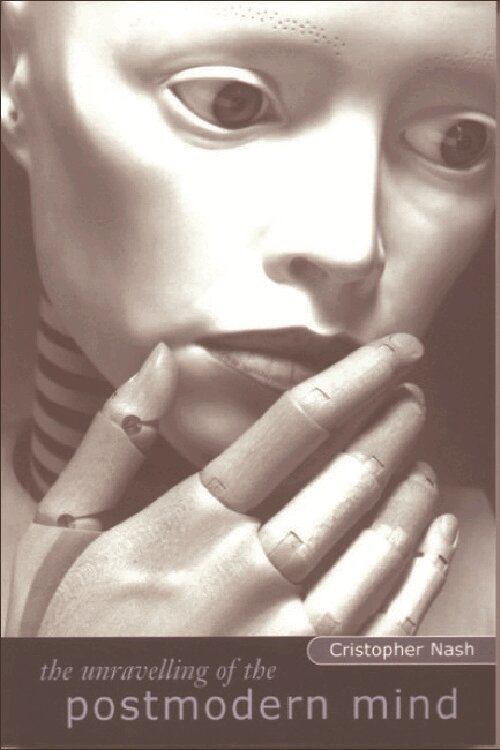
    Unravelling of the Postmodern Mind

    AvCristopher Nash

    Häftad, Engelska, 2001

    708 kr

    Beställningsvara. Skickas inom 3-6 vardagar. Fri frakt över 249 kr.

    Beskrivning

    Can the postmodern decide things? Can it oppose abuses of fantasy and power, and resist the attractions of violence? Can it make adequate provision for its own future? Who stands to gain from postmodernity? Cristopher Nash sets out these questions and more, taking the view that the entire body of writing on postmodernity needs to be reread in the light of the unique psychological character and motives that now appear to mould and drive it. Challenging our habit of confusing the vast vigorous culture of postmodernity with theories of 'postmodernism', he argues for a new way of seeing things. Instead of looking at the world through the filter of philosophical abstraction, The Unravelling of the Postmodern Mind is expressly and radically about affect. About what it feels like to (want to) be postmodern. Casting a wide net - beginning with a radical reading of the felt human needs fulfilled by philosophical indeterminist and pluralist thinking, and tracking similar impulses through the media, literature, fashion, the arts and architecture, tourism, dance and rock, drug culture, the cultures of cyberspace, virtual reality and cyberorganics, and the proliferation of new modes of birth, lifestyle and death - it catches the sound of the postmodern phenomenon in its greater clamour. This unique and controversial book shows that the postmodern does offer many of the things it claims for itself. That it presents problems about which it must keep silent. That it is, in elemental ways, a matter of choice. And that we have choices to make.

    Produktinformation

    • Utgivningsdatum:2001-03-01
    • Mått:156 x 234 x 17 mm
    • Vikt:447 g
    • Format:Häftad
    • Språk:Engelska
    • Antal sidor:310
    • Förlag:Edinburgh University Press
    • ISBN:9780748612154

    Utforska kategorier

    • Kulturvetenskap inom Samhälle och politik
    • Filosofiska discipliner inom Filosofi och religion

    Mer om författaren

    Cristopher Nash is Senior Lecturer in the Department of English and Comparative Literary Studies at the University of Warwick

    Innehållsförteckning

    • Foreword; Chapter One; The Postmodern Tradition; Chapter Two; A Fantasy; Chapter Three; Ambivalence; Chapter Four; Ways of Speaking; Chapter Five; Ways of Acting; Chapter Six; Living through Postmodernity; Afterword; Notes; Bibliography.