• Fri frakt över 249 kr
  • •
  • Snabba leveranser
  • •
  • Billiga böcker
Kundservice

Du är på sajten för privatpersoner.

Företag, bibliotek eller offentlig verksamhet?

Du handlar på classic.bokus.com, där alla dina funktioner finns intakta.
Till classic.bokus.com
Bokus logotyp. Gå till startsidan.
  • Erbjudanden
  • Nyheter
  • Student
  • Topplistor
  • Barn & ungdom
  • Bokus Play
  • E-böcker
  • Pocketböcker
  • Spel & pussel

10% studentrabatt med kod TERM26

Sidfot

Mina sidor

    Hjälp

    • Kundservice
    • Vanliga frågor och svar
    • Frakt och leverans
    • Retur vid ångerrätt
    • Reklamera vara
    • Betalning
    • Köpvillkor
    • Allmänna villkor
    • Information om webbplatsens tillgänglighet

    Om Bokus

    • Om oss
    • Pressrum
    • För studenter
    • För företag
    • För bibliotek och offentlig verksamhet
    • För leverantörer
    • Hållbarhet

    Populärt

    • Aktuella erbjudanden
    • Presentkort
    • Studentlitteratur
    • Nya böcker
    • Topplistor
    • Signerade böcker
    • Engelska böcker

    Inspiration

    • Boktips
    • BookTok
    • Populära bokserier
    • Barnbokskaraktärer
    • Populära författare
    Logotyp för Bokus
    Följ oss på Facebook (extern länk)Följ oss på Instagram (extern länk)Följ oss på YouTube (extern länk)Följ oss på TikTok (extern länk)
    bokus @ CookiesAnpassa cookiesIntegritetspolicyKöpvillkor
    Till Citymail hemsida (extern länk)Till Budbee hemsida (extern länk)Till Postnord hemsida (extern länk)Till Schenker hemsida (extern länk)Till Early Bird hemsida (extern länk)Till Walleys hemsida (extern länk)
    1. Historia och arkeologi
    2. Historia
    3. Historia: särskilda händelser och ämnen
    4. Socialhistoria och kulturhistoria

    Crime, Poverty and Survival in the Middle East and North Africa

    The 'Dangerous Classes' Since 1800

    AvStephanie Cronin

    Häftad, Engelska, 2021

    479 kr

    Beställningsvara. Skickas inom 10-15 vardagar. Fri frakt över 249 kr.

    Beskrivning

    The concept of the ‘dangerous classes’ was born in a rapidly urbanizing and industrializing nineteenth century Europe. It described all those who had fallen out of the working classes into the lower depths of the new societies, surviving by their wits or various amoral, disreputable or criminal strategies. This included beggars and vagrants, swindlers, pickpockets and burglars, prostitutes and pimps, ex-soldiers, ex-prisoners, tricksters, drug-dealers, the unemployed or unemployable, indeed every type of the criminal and marginal.This book examines the ‘dangerous classes’ in the Middle East and North Africa, their lives and the strategies they used to avoid, evade, cheat, placate or, occasionally, resist, the authorities. Chapters cover the narratives of their lives; their relationship with ‘respectable’ society; their political inclinations and their role in shaping systems and institutions ofdiscipline and control and their representation in literature and in popular culture. The book demonstrates the liminality of the ‘dangerous classes’ and their capacity for re-invention. It also indicates the sharpening relevance of the concept to a Middle East and North Africa now in the grip of an almost permanent sense of crisis, its younger generations crippled by a pervasive sense of hopelessness, prone to petty crime and vulnerable to induction as foot soldiers into drug and people smuggling, petty gangsterism and jihadism.

    Produktinformation

    • Utgivningsdatum:2021-07-29
    • Mått:152 x 232 x 20 mm
    • Vikt:500 g
    • Format:Häftad
    • Språk:Engelska
    • Antal sidor:328
    • Förlag:Bloomsbury Publishing PLC
    • ISBN:9780755645015

    Utforska kategorier

    • Socialhistoria och kulturhistoria inom Historia och arkeologi
    • Mellanösterns historia inom Historia och arkeologi
    • Brottslighet och kriminologi inom Samhälle och politik

    Mer om författaren

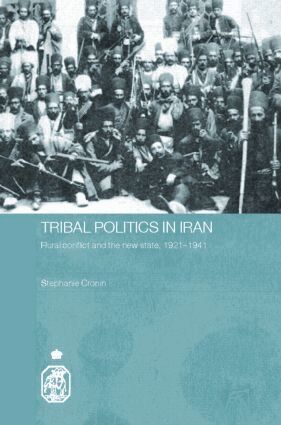
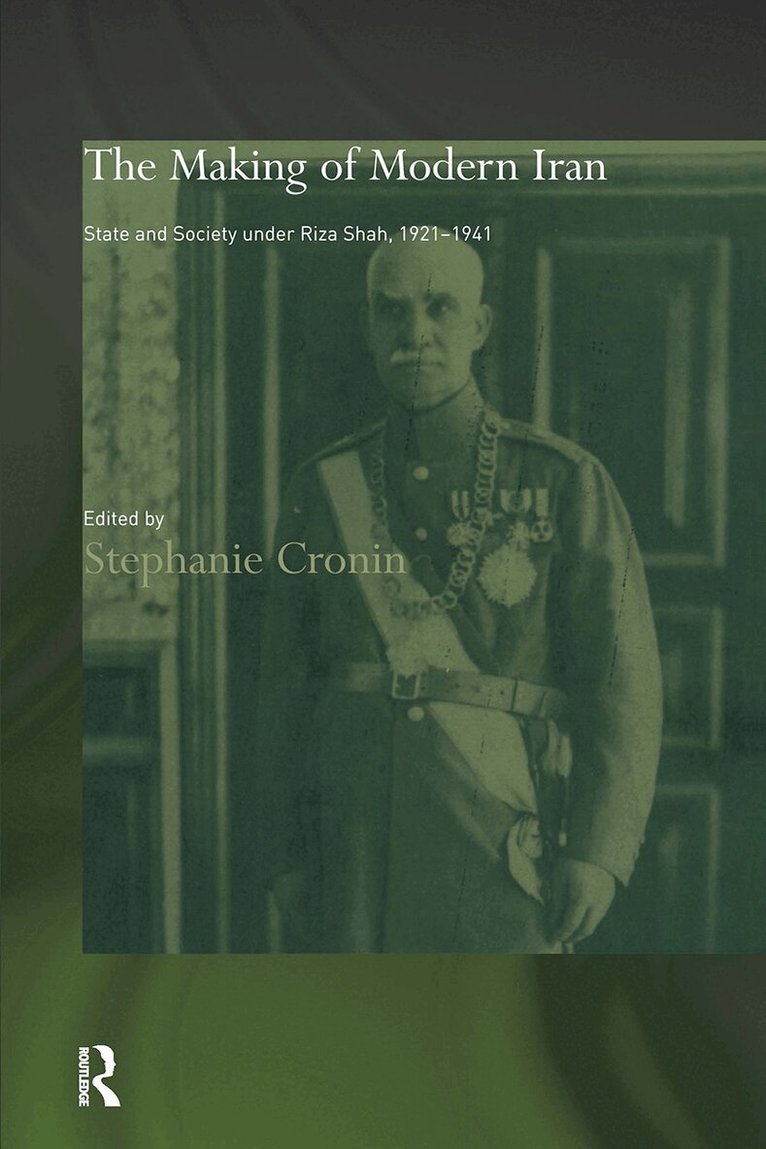
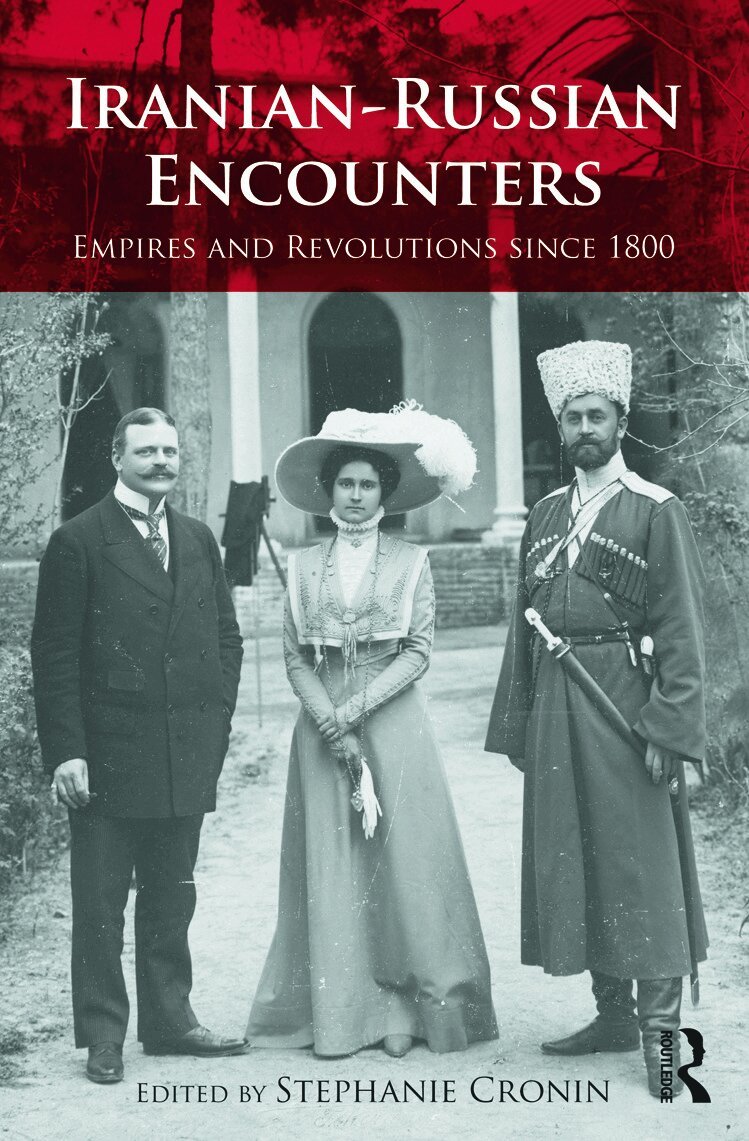
    Stephanie Cronin is Elahé Omidyar Mir-Djalali Research Fellow at St Antony’s College and a member of the Faculty of Oriental Studies, University of Oxford. She is the author of seven books, including Armies and State-building in the Modern Middle East: Politics, Nationalism and Military Reform (I. B. Tauris, 2014) and The Army and the Creation of the Pahlavi State in Iran, 1910-1926 (I. B. Tauris, 1997).

    Recensioner i media

    Accepting the social notion of class and frequently relying on the foundational theories of prominent sociologist Eric Hobsbawm, this collection brings the well-known social history of ‘dangerous classes’ in Europe to bear on the Middle East and North Africa. Cronin (Univ. of Oxford, UK) has compiled 11 essays from well-recognized scholars of the region that look at societies in Iran, Turkey, Egypt, and Algeria from the bottom up. In already underdeveloped countries with segmented economies that tend to protect those with accumulated social and economic success, the lumpenproletariat (the unproductive) turns to what is available based on street-learned skills and adaptability. For women, this has traditionally meant turning to the ‘oldest known profession,’ prostitution; for urban youth and rural agricultural workers lacking regular support, the primary alternatives have been gangs and banditry. What comes through in many essays is the general opposition among this class of people, across countries, to the political establishment, regardless of whether it is the tax collector, the landowner, or the national government. This is a well-created sociohistorical collection worthy of addition to Middle East collections. Summing Up: Recommended. Upper-division undergraduates through faculty; professionals.

    Innehållsförteckning

    • AcknowledgementsNote on transliterationThe Dangerous Classes in the Middle East and North Africa Stephanie Cronin, University of Oxford, UKPart One: Dangerous WomenDisciplining Sex Work in Colonial Cairo Francesca Biancani, Bologna University, ItalyGoverning Prostitutes with Fear and Compassion: The Red-Light District of Tehran, 1922-1970Jairan Gahan, University of Toronto, Canada“Disorderly Women” and the Politics of Urban Space in Early 20th Century Istanbul (1900-1914)Müge Özbek, Koç University, TurkeyDisreputable by Definition: Respectability and Theft by Poor Women in Urban Interwar EgyptHanan Hammad, Texas Christian University, USAPart Two: Banditry and CrimeNoble Robbers, avengers and entrepreneurs: Eric Hobsbawm and banditry in Iran, the Middle East and North AfricaStephanie Cronin, University of Oxford, UKRural Banditry in Colonial Algeria, 1871-1914Antonin Plarier, Panthéon Sorbonne University, FranceA State of Tribal Lawlessness? Rural and Urban Crime in Fars Province, 1910-15Mattin Biglari, SOAS, University of London, UKRural Crimes As Everyday Politics of Peasants: Tax Delinquency, Smuggling, Theft and Banditry in Modern TurkeyMurat Metinsoy, Istanbul University, TurkeyPart Three: Dangerous Streets:Urban food riots in late Ottoman Bilad al-Sham as a ‘repertoire of contention’Till Grallert, Orient-Institut Beirut of the Max Weber Foundation, LebanonThe Dangerous Classes and the 1953 Coup in Iran: On the Decline of lutigari MasculinitiesOlmo Gölz, University of Freiburg, GermanyThe ‘Virtual Poor’ in Iran: Dangerous classes and Homeless Life in Capitalist TimesMaziyar Ghiabi, University of Oxford, UKIndex