• Fri frakt över 249 kr
  • •
  • Snabba leveranser
  • •
  • Billiga böcker
Kundservice

Du är på sajten för privatpersoner.

Företag, bibliotek eller offentlig verksamhet?

Du handlar på classic.bokus.com, där alla dina funktioner finns intakta.
Till classic.bokus.com
Bokus logotyp. Gå till startsidan.
  • Erbjudanden
  • Nyheter
  • Student
  • Topplistor
  • Barn & ungdom
  • Bokus Play
  • E-böcker
  • Pocketböcker
  • Spel & pussel

10% rabatt på allt med kod: NYSTART10 →

Sidfot

Mina sidor

    Hjälp

    • Kundservice
    • Vanliga frågor och svar
    • Frakt och leverans
    • Retur vid ångerrätt
    • Reklamera vara
    • Betalning
    • Köpvillkor
    • Allmänna villkor
    • Information om webbplatsens tillgänglighet

    Om Bokus

    • Om oss
    • Pressrum
    • För studenter
    • För företag
    • För bibliotek och offentlig verksamhet
    • För leverantörer
    • Hållbarhet

    Populärt

    • Aktuella erbjudanden
    • Presentkort
    • Studentlitteratur
    • Nya böcker
    • Topplistor
    • Signerade böcker
    • Engelska böcker

    Inspiration

    • Boktips
    • BookTok
    • Populära bokserier
    • Barnbokskaraktärer
    • Populära författare
    Logotyp för Bokus
    Följ oss på Facebook (extern länk)Följ oss på Instagram (extern länk)Följ oss på YouTube (extern länk)Följ oss på TikTok (extern länk)
    bokus @ CookiesAnpassa cookiesIntegritetspolicyKöpvillkor
    Till Citymail hemsida (extern länk)Till Budbee hemsida (extern länk)Till Postnord hemsida (extern länk)Till Schenker hemsida (extern länk)Till Early Bird hemsida (extern länk)Till Walleys hemsida (extern länk)
    1. Samhälle och politik
    2. Social välfärd och brottslighet
    3. Socialt arbete och välfärd

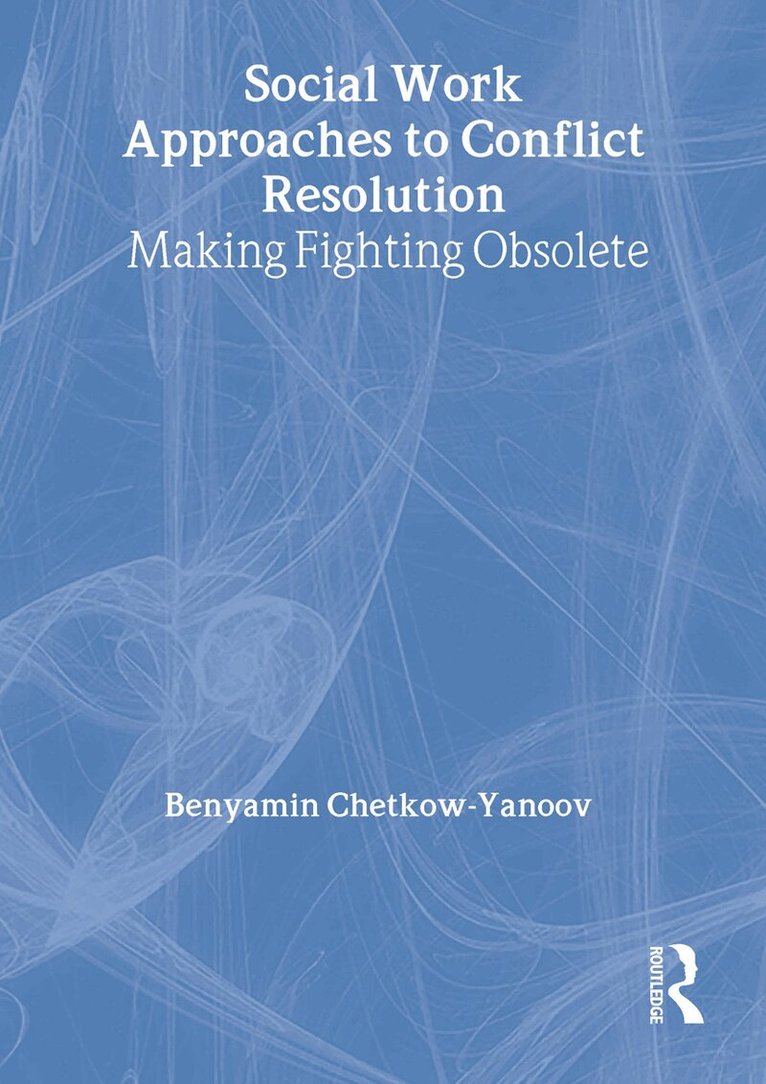
    Social Work Approaches to Conflict Resolution

    Making Fighting Obsolete

    AvB Harold Chetkow-Yanoov

    Inbunden, Engelska, 1996

    1 789 kr

    Tillfälligt slut

    Fler format och utgåvor

    Häftad

    793 kr

    E-bok

    967 kr

    E-bok

    939 kr

    Beskrivning

    Social Work Approaches to Conflict Resolution helps readers understand the nature and causes of conflict and offers suggestions for coping with conflict effectively. It is based on two assumptions: that conflict is a basic part of the life of normal human beings, groups, organizations, communities, and nations, and that resolving conflict is part of the ongoing interventions of all social workers. A practical text for theory-practicum courses for MSW and doctoral students, it is filled with information also useful to therapists, group workers, community workers, administrators, scholars in the social sciences, practitioners in other helping professions, and trainers in the emerging field of conflict resolution itself. Deliberately linking conflict resolution and systems analysis, Social Work Approaches to Conflict Resolution tackles a number of related themes to help you see the connections between topics not normally presented together in social work literature. You’ll see how unmet needs may cause conflict to evolve and escalate and learn about the connections between strongly held feelings and the destructive relations that have developed between diverse ethnic peoples in many parts of our planet. Author Benyamin Chetkow-Yanoov draws on his own background of being a minority as well as his experience in Arab-Jewish reconciliation in Israel as he offers readers thorough explanations of:a systems model for analyzing conflict problem-solving versus resolving conflict how value clashes and victimization are some of the basic causes of conflict escalation 9 professional roles required for resolving conflicts the effectiveness of volunteers in conflict resolution teaching conflict resolution skills to various audiences trends in the evolution of voluntary conflict resolution effortsYou can apply much of what you learn in Social Work Approaches to Conflict Resolution not only to your professional life but also to your personal relationships and experiences. Also, since victimized people and groups are major contributors to the perpetuation and escalation of conflict, the book suggests 10 steps for helping victims free themselves from repeated conflict-generating behaviors.

    Produktinformation

    • Utgivningsdatum:1996-12-26
    • Mått:152 x 213 x undefined mm
    • Vikt:476 g
    • Format:Inbunden
    • Språk:Engelska
    • Antal sidor:192
    • Förlag:Taylor & Francis Inc
    • ISBN:9780789060358

    Utforska kategorier

    • Socialt arbete och välfärd inom Samhälle och politik
    • Våld och övergrepp inom Samhälle och politik

    Mer om författaren

    Benyamin Chetkow-Yanoov, DSW, is Professor of Social Work at Bar-Ilan University in Israel. While he has consulted and taught primarily in Canada, the United States, and Israel, he has also conducted workshops in Australia, England, Namibia, South Africa, Thailand, and Sweden. He pioneered a master's level course in conflict resolution at Bar-Ilan University's School of Social Work, and has organized training programs for Israelis wanting to learn conflict resolution skills. He is the author of The Pursuit of Peace and has assumed leadership roles in several national government organizations for promoting peace and diplomacy. These include Partnership, a voluntary association for creating cooperation between Israeli Arabs and Jews, and B 'Sod Siach, an organization to facilitate communication between political rightists and leftists. Dr. Chetkow-Yanoov serves as a consultant for Israel's Ministry of Education and is working on its current curriculum project, Preparing for an Era of Peace. His professional interests include the dynamics of program implementation, community theatre, systems analysis, voluntarism, leadership among aging professionals, and community social workers vis-à-vis municipal politicians.

    Innehållsförteckning

    • Contents IntroductionPart I: Conflict as a Social Problem A Systems Model for Solving Problems A Systems Model for Analyzing Conflicts Part II: Some Social Causes of Conflict Conflicts Generated by Unmet Needs and Clashes of Values Conflicts Generated by Establishment-Minority Relations Conflicts Generated by Victimization Part III: Social Ways to Cope with Conflicts Some Basic Ways to Cope with Conflicts Professional Roles in Conflict Resolution The Role of Volunteers in Conflict Resolution Part IV: Implications Conflict Resolution Skills Can Be Taught Summary and Recommendations Bibliography Index