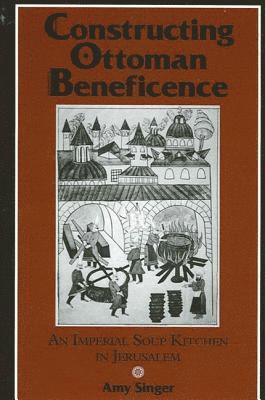
Inbunden, Engelska, 2002
Constructing Ottoman Beneficence
Av Amy Singer
1111 kr
Tillfälligt slut
Beskrivning
Presents the political, social, and cultural context behind Ottoman charity.Ottoman charitable endowments (waqf) constituted an enduring monument to imperial beneficence and were important instruments of policy. One type of endowment, the public soup kitchen (imaret) served travelers, scholars, pious mystics, and local indigents alike. Constructing Ottoman Beneficence examines the political, social, and cultural context for founding these public kitchens. It challenges long-held notions about the nature of endowments and explores for the first time how Ottoman modes of beneficence provide an important paradigm for understanding universal questions about the nature of charitable giving.A typical and well-documented example was the imaret of Hasseki Hurrem Sultan, wife of Sultan Süleyman I, in Jerusalem. The imaret operated at the confluence of imperial endowment practices and Ottoman food supply policies, while also exemplifying the role of imperial women as benefactors. Through its operations, the imaret linked imperial Ottoman and local Palestinian interests, integrating urban and rural economies.
Produktinformation
- Utgivningsdatum: 2002-05-09
- Vikt: 472 g
- Format: Inbunden
- Språk: Engelska
- Serie: SUNY series in Near Eastern Studies
- Antal sidor: 240
- Förlag: State University of New York Press
- ISBN: 9780791453513
Utforska kategorier
Betyg & recensioner
0 recensioner
Inga recensioner tillgängliga.