• Fri frakt över 249 kr
  • •
  • Snabba leveranser
  • •
  • Billiga böcker
Kundservice

Du är på sajten för privatpersoner.

Företag, bibliotek eller offentlig verksamhet?

Du handlar på classic.bokus.com, där alla dina funktioner finns intakta.
Till classic.bokus.com
Bokus logotyp. Gå till startsidan.
  • Erbjudanden
  • Nyheter
  • Student
  • Topplistor
  • Barn & ungdom
  • Bokus Play
  • E-böcker
  • Pocketböcker
  • Spel & pussel

10% rabatt på allt med kod: NYSTART10 →

Sidfot

Mina sidor

    Hjälp

    • Kundservice
    • Vanliga frågor och svar
    • Frakt och leverans
    • Retur vid ångerrätt
    • Reklamera vara
    • Betalning
    • Köpvillkor
    • Allmänna villkor
    • Information om webbplatsens tillgänglighet

    Om Bokus

    • Om oss
    • Pressrum
    • För studenter
    • För företag
    • För bibliotek och offentlig verksamhet
    • För leverantörer
    • Hållbarhet

    Populärt

    • Aktuella erbjudanden
    • Presentkort
    • Studentlitteratur
    • Nya böcker
    • Topplistor
    • Signerade böcker
    • Engelska böcker

    Inspiration

    • Boktips
    • BookTok
    • Populära bokserier
    • Barnbokskaraktärer
    • Populära författare
    Logotyp för Bokus
    Följ oss på Facebook (extern länk)Följ oss på Instagram (extern länk)Följ oss på YouTube (extern länk)Följ oss på TikTok (extern länk)
    bokus @ CookiesAnpassa cookiesIntegritetspolicyKöpvillkor
    Till Citymail hemsida (extern länk)Till Budbee hemsida (extern länk)Till Postnord hemsida (extern länk)Till Schenker hemsida (extern länk)Till Early Bird hemsida (extern länk)Till Walleys hemsida (extern länk)
    1. Historia och arkeologi
    2. Historia
    3. Historia: särskilda händelser och ämnen
    4. Socialhistoria och kulturhistoria

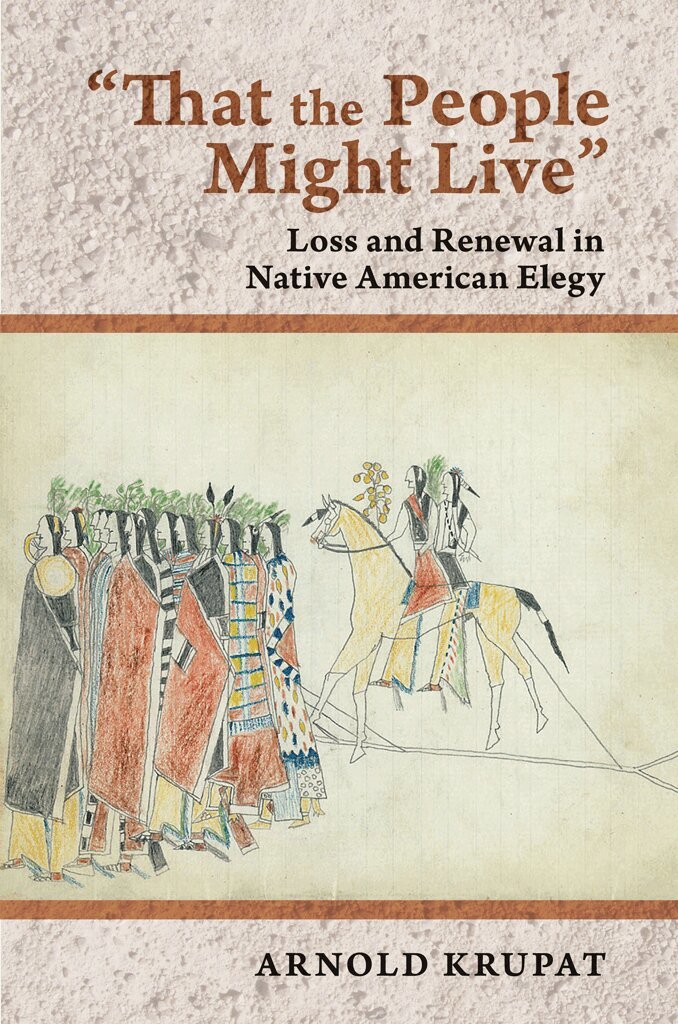
    "That the People Might Live"

    Loss and Renewal in Native American Elegy

    AvArnold Krupat

    Inbunden, Engelska, 2012

    759 kr

    Beställningsvara. Skickas inom 10-15 vardagar. Fri frakt över 249 kr.

    Beskrivning

    The word "elegy" comes from the Ancient Greek elogos, meaning a mournful poem or song, in particular, a song of grief in response to loss. Because mourning and memorialization are so deeply embedded in the human condition, all human societies have developed means for lamenting the dead, and, in "That the People Might Live," Arnold Krupat surveys the traditions of Native American elegiac expression over several centuries. Krupat covers a variety of oral performances of loss and renewal, including the Condolence Rites of the Iroquois and the memorial ceremony of the Tlingit people known as koo'eex, examining as well a number of Ghost Dance songs, which have been reinterpreted in culturally specific ways by many different tribal nations. Krupat treats elegiac "farewell" speeches of the eighteenth and nineteenth centuries in considerable detail, and comments on retrospective autobiographies by Black Hawk and Black Elk. Among contemporary Native writers, he looks at elegiac work by Linda Hogan, N. Scott Momaday, Gerald Vizenor, Sherman Alexie, Maurice Kenny, and Ralph Salisbury, among others. Despite differences of language and culture, he finds that death and loss are consistently felt by Native peoples both personally and socially: someone who had contributed to the People's well-being was now gone. Native American elegiac expression offered mourners consolation so that they might overcome their grief and renew their will to sustain communal life.

    Produktinformation

    • Utgivningsdatum:2012-11-15
    • Mått:152 x 229 x 25 mm
    • Vikt:907 g
    • Format:Inbunden
    • Språk:Engelska
    • Antal sidor:256
    • Förlag:Cornell University Press
    • ISBN:9780801451386

    Utforska kategorier

    • Socialhistoria och kulturhistoria inom Historia och arkeologi
    • Andra religioner och trosföreställningar inom Filosofi och religion
    • Litteraturvetenskap inom Skönlitteratur

    Mer om författaren

    Arnold Krupat is Professor of Literature at Sarah Lawrence College. He is the author of many books, including All that Remains: Varieties of Indigenous Expression and Red Matters: Native American Studies.

    Recensioner i media

    "Arnold Krupat is a deeply respected scholar... He has done much to help the world contextualize relationships between Native American literary voices and the American canon... a book that so powerfully details aspects of the Native American response to loss and death. Krupat is strongest when tackling the specifics of intercultural differences." —Joy Porter(The Journal of American History) Arnold Krupat offers an intensive, detailed, and well-researched literary analysis of Native American elegy from the 16th to the late 20th century.... Krupat's book clarifies the differences between traditional Native American and Euro-American elegiac expression, making it a great addition to the shelves of Native American, western, and borderlands scholars.- Scott Comar (Pacific Northwest Quarterly) Assessing the nature of elegy in Native American oral and written expression, Krupat looks at the way such elegiac material develops a sense of healing not through a focus on the loss of an individual but by contributing to a continuance of the community, the people.... This is a careful, revealing, and engaging contribution to the historical examination of oral and written expression of Native American experience.(Choice) To his credit, and to our good fortune, Krupat opted to resist the temptation to hold that there was no such thing as Native American elegy, and, critically, he opted to recognize crucialdifferences between elegies first spoken and later written by Native Americans and those penned by European and Euro-American writers..Readers in general will recognize that Krupat, a scholar who has devoted his academic life to the study of Native American literatures, has produced a book both careful and caring, a book that will reward thoughtful attention.- Chris Lalonde (Great Plains Quarterly)

    Innehållsförteckning

    • Introduction1. Oral Performances (i)The Iroquois Condolence RitesThe Tlingit koo.'eex'Occasional ElegySome Ghost Dance Songs as Elegy2. Oral Performances (ii)"Logan's Lament"Black Hawk's "Surrender Speech"Chief Sealth's FarewellTwo Farewells by CochiseThe Surrender of Chief Joseph3. Authors and WritersBlack Hawk's LifeBlack Elk SpeaksWilliam Apess's Eulogy on King PhilipThe Elegiac Poetry of Jane Johnston Schoolcraft, John Rollin Ridge, and Others4. Elegy in the "Native American Renaissance" and AfterProse Elegy in Momaday, Hogan, and VizenorElegiac PoetryAppendix: Best Texts of the Speeches Considered in Chapter 2NotesWorks CitedIndex