• Fri frakt över 249 kr
  • •
  • Snabba leveranser
  • •
  • Billiga böcker
Kundservice

Du är på sajten för privatpersoner.

Företag, bibliotek eller offentlig verksamhet?

Du handlar på classic.bokus.com, där alla dina funktioner finns intakta.
Till classic.bokus.com
Bokus logotyp. Gå till startsidan.
  • Erbjudanden
  • Student
  • Topplistor
  • Barn & ungdom
  • Bokus Play
  • E-böcker
  • Ljudböcker
  • Pocketböcker
  • Spel och pussel

Pocketfynda! Hundratals böcker för 49 kr/st →

Sidfot

Mina sidor

    Hjälp

    • Kundservice
    • Vanliga frågor och svar
    • Frakt och leverans
    • Retur vid ångerrätt
    • Reklamera vara
    • Betalning
    • Köpvillkor
    • Allmänna villkor
    • Information om webbplatsens tillgänglighet

    Om Bokus

    • Om oss
    • Pressrum
    • För studenter
    • För företag
    • För bibliotek och offentlig verksamhet
    • För leverantörer
    • Hållbarhet

    Populärt

    • Aktuella erbjudanden
    • Presentkort
    • Studentlitteratur
    • Nya böcker
    • Topplistor
    • Signerade böcker
    • Engelska böcker

    Inspiration

    • Boktips
    • BookTok
    • Barnbokskaraktärer
    • Populära författare
    Logotyp för Bokus
    Följ oss på Facebook (extern länk)Följ oss på Instagram (extern länk)Följ oss på YouTube (extern länk)Följ oss på TikTok (extern länk)
    bokus @ CookiesAnpassa cookiesIntegritetspolicyKöpvillkor
    Till Citymail hemsida (extern länk)Till Budbee hemsida (extern länk)Till Postnord hemsida (extern länk)Till Schenker hemsida (extern länk)Till Early Bird hemsida (extern länk)Till Walleys hemsida (extern länk)
    1. Samhälle och politik
    2. Samhälle och kultur
    3. Kultur och medier
    4. Kulturvetenskap

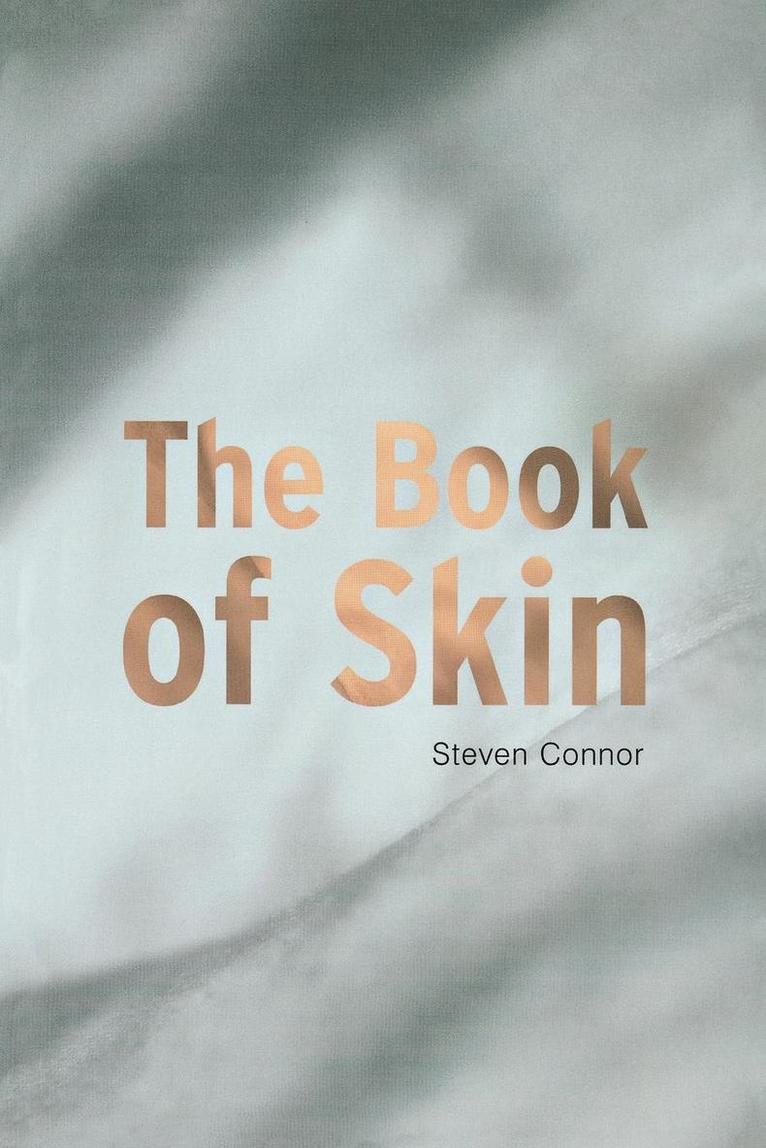
    Book of Skin

    AvSteven Connor

    Häftad, Engelska, 2003

    1 094 kr

    Beställningsvara. Skickas inom 3-6 vardagar. Fri frakt över 249 kr.

    Beskrivning

    Skin, Steven Connor argues, has never been more visible. The Book of Skin explores the multiple functions of the skin in the cultures of the West. In this vividly illustrated book, Connor draws on evidence from a variety of sources including literary and other forms of public and private writing, especially medical texts, as well as painting, photography, and film, folklore and popular song.Because of its newfound visibility, skin has never been at once so manifest and so in jeopardy as it is today. This dilemma becomes evident, in Connor's view, if we examine how skin is displayed and manipulated as a site of inscription. In order to trace our culture's anxious concerns with the materiality and mortality of skin, Connor's analysis ranges from the human body itself to photography, from Medieval leprosy, Renaissance flaying, and eternal syphilis to cosmetics, plastic surgery, and skin cancers.Connor examines the chromatics of skin color and pigmentation, blushing, suntanning, paleness, darkening, tattooing, cutting, the Turin shroud, the Mummy, and the Invisible Man. He also offers engaging explanations for why particular colors are ascribed to feelings and conditions such as green for envy, purple for rage, and yellow for cowardice. Connor's insights into the obvious and yet unfamiliar terrain of the skin and its place in Western culture ameliorates the intensities and attenuations of touch in cultural history. The Book of Skin bears out James Joyce's claim that "modern man has an epidermis rather than a soul."

    Produktinformation

    • Utgivningsdatum:2003-12-08
    • Mått:156 x 235 x undefined mm
    • Vikt:709 g
    • Format:Häftad
    • Språk:Engelska
    • Antal sidor:304
    • Förlag:Cornell University Press
    • ISBN:9780801488931

    Utforska kategorier

    • Kulturvetenskap inom Samhälle och politik
    • Antropologi inom Samhälle och politik

    Mer om författaren

    Steven Connor is Professor of Modern Literature and Theory in the School of English and Humanities at Birkbeck College, London.

    Recensioner i media

    "Professor Steven Connor's book, a rather gothic yet highly enjoyable history of human skin, finds new substance in Sartre's thoughts. Connor uses post-war French philosophy as the frame through which he views the long history of writing and reflecting upon skin, from Classical and Renaissance medical treatises through to our modern taste for tattooing and aromatherapy oils."—The Daily Telegraph, January 12, 2004