Häftad, Engelska, 2012
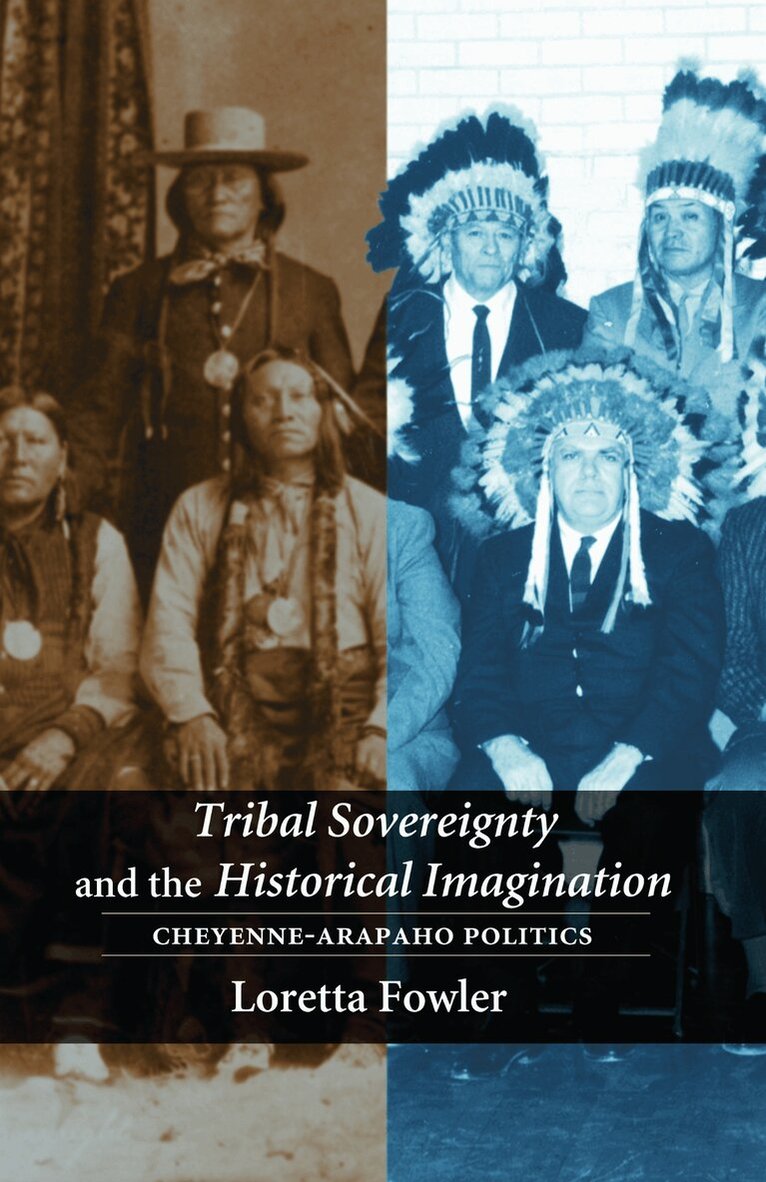
Tribal Sovereignty and the Historical Imagination
Cheyenne-Arapaho Politics
339 kr
Beställningsvara. Skickas inom 10-15 vardagar. Fri frakt över 249 kr.
Beskrivning
Produktinformation
- Utgivningsdatum: 2012-08-02
- Mått: 152 x 229 x 23 mm
- Vikt: 585 g
- Format: Häftad
- Språk: Engelska
- Antal sidor: 368
- Förlag: University of Nebraska Press
- ISBN: 9780803271517
Utforska kategorier
Mer om författaren
Loretta Fowler is a professor of anthropology at the University of Oklahoma. She is the author of Arapahoe Politics, 1851–1978: Symbols in Crises of Authority (Nebraska 1982) and Shared Symbols, Contested Meanings: Gros Ventre Culture and History, 1778–1984.
Recensioner i media
"Award-winning anthropologist Fowler (Univ. of Oklahoma) provides one of the few microcosmic investigations of this phenomenon, and she does so in a fair and balanced way. . . . Based on solid research and a decade of field research, this excellent book will find its primary audience among academicians."—Choice "Fowler's volume is clearly a work by a mature scholar who has raised issues of fundamental importance in the study of Native American political history. Her choice of tribal group enriches the literature, her data are detailed, and the analysis is properly placed within the holistic context of Cheyenne-Arapaho culture, historical past, and contemporary life."—Martha C. Knack, American Historical Review "In Fowler's excellent work, one begins fully to understand the trials and triumphs of the Arapahos and Cheyennes and why the process of governance has been such a long and at times tortuous road to political stability."—William D. Welge, The Chronicles of Oklahoma "Fowler offers an instructive view of modern Cheyenne-Arapaho political culture that helps readers understand both the historical and current efforts of Native American leaders to protect sovereignty and the ambivalence that such efforts have created among diverse tribal groups."—Paul Rosier, The Journal of American History "[Fowler's] prodigious research and careful writing will require critics to engage [her] ideas directly. And so will scholars who now have before them a model 'tribal history.'"—Brian Hosmer, The Western Historical Quarterly
Betyg & recensioner
0 recensioner
Inga recensioner tillgängliga.