• Fri frakt över 249 kr
  • •
  • Snabba leveranser
  • •
  • Billiga böcker
Kundservice

Du är på sajten för privatpersoner.

Företag, bibliotek eller offentlig verksamhet?

Du handlar på classic.bokus.com, där alla dina funktioner finns intakta.
Till classic.bokus.com
Bokus logotyp. Gå till startsidan.
  • Erbjudanden
  • Student
  • Topplistor
  • Barn & ungdom
  • Bokus Play
  • E-böcker
  • Ljudböcker
  • Pocketböcker
  • Spel och pussel

5% studentrabatt – använd koden KURSBOK27 →

Sidfot

Mina sidor

    Hjälp

    • Kundservice
    • Vanliga frågor och svar
    • Frakt och leverans
    • Retur vid ångerrätt
    • Reklamera vara
    • Betalning
    • Köpvillkor
    • Allmänna villkor
    • Information om webbplatsens tillgänglighet

    Om Bokus

    • Om oss
    • Pressrum
    • För studenter
    • För företag
    • För bibliotek och offentlig verksamhet
    • För leverantörer
    • Hållbarhet

    Populärt

    • Aktuella erbjudanden
    • Presentkort
    • Studentlitteratur
    • Nya böcker
    • Topplistor
    • Signerade böcker
    • Engelska böcker

    Inspiration

    • Boktips
    • BookTok
    • Barnbokskaraktärer
    • Populära författare
    Logotyp för Bokus
    Följ oss på Facebook (extern länk)Följ oss på Instagram (extern länk)Följ oss på YouTube (extern länk)Följ oss på TikTok (extern länk)
    bokus @ CookiesAnpassa cookiesIntegritetspolicyKöpvillkor
    Till Citymail hemsida (extern länk)Till Budbee hemsida (extern länk)Till Postnord hemsida (extern länk)Till Schenker hemsida (extern länk)Till Early Bird hemsida (extern länk)Till Walleys hemsida (extern länk)
    1. Historia och arkeologi
    2. Historia
    3. Europas historia

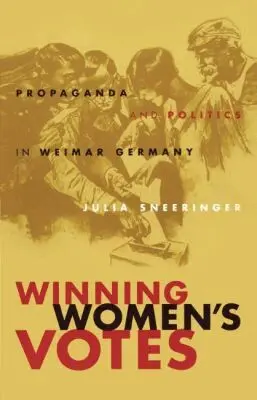
    Winning Women's Votes

    Propaganda and Politics in Weimar Germany

    AvJulia Sneeringer

    Häftad, Engelska, 2002

    605 kr

    Beställningsvara. Skickas inom 10-15 vardagar. Fri frakt över 249 kr.

    Fler format och utgåvor

    E-bok

    518 kr

    E-bok

    518 kr

    Beskrivning

    In November 1918, German women gained the right to vote, and female suffrage would forever change the landscape of German political life. Women now constituted the majority of voters, and political parties were forced to address them for the first time. Analyzing written and visual propaganda aimed at, and frequently produced by, women across the political spectrum - including the Communists and Social Democrats; liberal, Catholic and conservative parties; and the Nazis - Julia Sneeringer shows how various groups struggled to reconcile traditional assumption about women's interests with the changing face of the family and female economic activity. Through propaganda, political parties addressed themes such as motherhood, fashion, religion, and abortion. But as Sneeringer demonstrates, their efforts to win women's votes by emphasizing ""women's issues"" had only limited success. The debates about women in propaganda were symptomatic of larger anxieties that gripped Germany during this era of unrest, Sneeringer says. Though Weimar political culture was ahead of it time in forcing even the enemies of women's rights to concede a public role for women, this horizon of possibility narrowed sharply in the face of political instability, economic crises, and the growing spectre of fascism.

    Produktinformation

    • Utgivningsdatum:2002-03-31
    • Mått:167 x 225 x 22 mm
    • Vikt:552 g
    • Format:Häftad
    • Språk:Engelska
    • Antal sidor:364
    • Förlag:The University of North Carolina Press
    • ISBN:9780807853412

    Utforska kategorier

    • Europas historia inom Historia och arkeologi
    • Genusvetenskap inom Samhälle och politik
    • Val och folkomröstningar inom Samhälle och politik

    Mer om författaren

    Julia Sneeringer is associate professor of history at Queens College, City University of New York.

    Recensioner i media

    "By focusing on how the political parties of Weimar Germany sought to mobilize the women's vote, Sneeringer's book makes a significant and lasting contribution to the... literature on Weimar electoral politics." - Larry Eugene Jones, Canisius College