• Fri frakt över 249 kr
  • •
  • Snabba leveranser
  • •
  • Billiga böcker
Kundservice

Du är på sajten för privatpersoner.

Företag, bibliotek eller offentlig verksamhet?

Du handlar på classic.bokus.com, där alla dina funktioner finns intakta.
Till classic.bokus.com
Bokus logotyp. Gå till startsidan.
  • Erbjudanden
  • Nyheter
  • Student
  • Topplistor
  • Barn & ungdom
  • Bokus Play
  • E-böcker
  • Pocketböcker
  • Spel & pussel

10% rabatt på allt med kod NYSTART10 →

Sidfot

Mina sidor

    Hjälp

    • Kundservice
    • Vanliga frågor och svar
    • Frakt och leverans
    • Retur vid ångerrätt
    • Reklamera vara
    • Betalning
    • Köpvillkor
    • Allmänna villkor
    • Information om webbplatsens tillgänglighet

    Om Bokus

    • Om oss
    • Pressrum
    • För studenter
    • För företag
    • För bibliotek och offentlig verksamhet
    • För leverantörer
    • Hållbarhet

    Populärt

    • Aktuella erbjudanden
    • Presentkort
    • Studentlitteratur
    • Nya böcker
    • Topplistor
    • Signerade böcker
    • Engelska böcker

    Inspiration

    • Boktips
    • BookTok
    • Populära bokserier
    • Barnbokskaraktärer
    • Populära författare
    Logotyp för Bokus
    Följ oss på Facebook (extern länk)Följ oss på Instagram (extern länk)Följ oss på YouTube (extern länk)Följ oss på TikTok (extern länk)
    bokus @ CookiesAnpassa cookiesIntegritetspolicyKöpvillkor
    Till Citymail hemsida (extern länk)Till Budbee hemsida (extern länk)Till Postnord hemsida (extern länk)Till Schenker hemsida (extern länk)Till Early Bird hemsida (extern länk)Till Walleys hemsida (extern länk)
    1. Filosofi och religion
    2. Religion och tro
    3. Kristendom
    4. Biblar

    Wonderful Blood

    Theology and Practice in Late Medieval Northern Germany and Beyond

    AvCaroline Walker Bynum

    Häftad, Engelska, 2007

    Del i serien Middle Ages Series

    438 kr

    Beställningsvara. Skickas inom 10-15 vardagar. Fri frakt över 249 kr.

    Beskrivning

    The quiet market town of Wilsnack in northeastern Germany is unfamiliar to most English-speakers and even to many modern Germans. Yet in the fifteenth century it was a European pilgrimage site surpassed in importance only by Rome and Santiago de Compostela. The goal of pilgrimage was three miraculous hosts, supposedly discovered in the charred remains of the village church several days after it had been torched by a marauding knight in August 1383. Although the church had been burned and the spot soaked with rain, the hosts were found intact and dry, with a drop of Christ's blood at the center of each.In Wonderful Blood, Caroline Walker Bynum studies the saving power attributed to Christ's blood at north German cult sites such as Wilsnack, the theological controversy such sites generated, and the hundreds of devotional paintings, poems, and prayers dedicated to Christ's wounds, scourging, and bloody crucifixion. She argues that Christ's blood as both object and symbol was central to late medieval art, literature, pious practice, and theology. As object of veneration, blood provided a focus of intense debate about the nature of matter, body, and God and an occasion for Jewish persecution; as motif, blood became a prominent subject of northern art and a central symbol in the visions of mystics and the prayers of ordinary people.

    Produktinformation

    • Utgivningsdatum:2007-11-05
    • Mått:155 x 235 x 28 mm
    • Vikt:772 g
    • Format:Häftad
    • Språk:Engelska
    • Serie:Middle Ages Series
    • Antal sidor:456
    • Förlag:University of Pennsylvania Press
    • ISBN:9780812220193
    • Utmärkelser:Winner of Winner of the 2009 Otto Gruendler Prize from the Medieval Institute 2021

    Utforska kategorier

    • Biblar inom Filosofi och religion
    • Religion: allmänt inom Filosofi och religion

    Mer om författaren

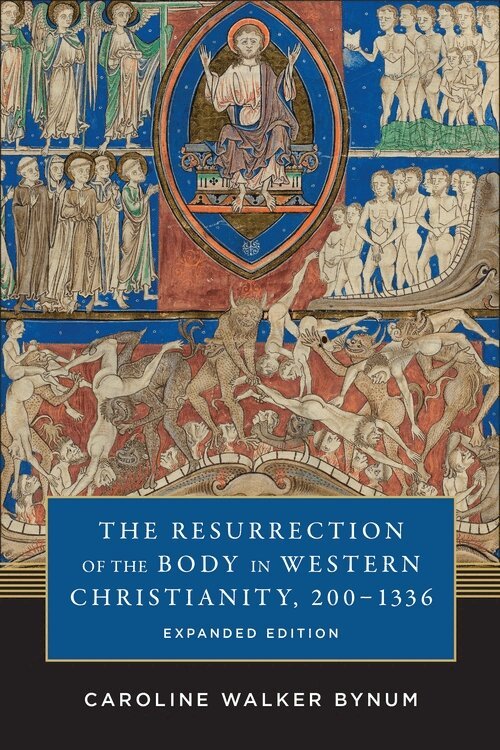
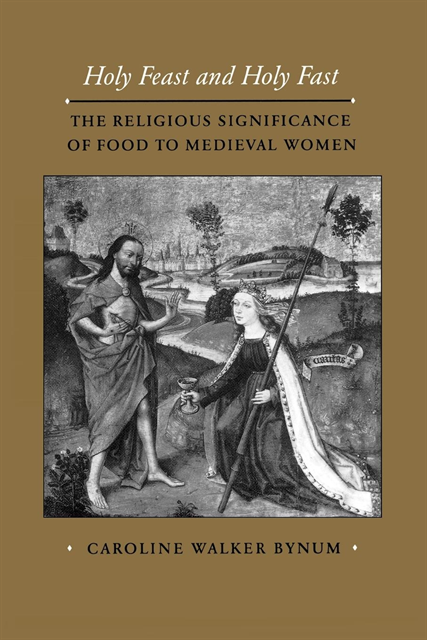
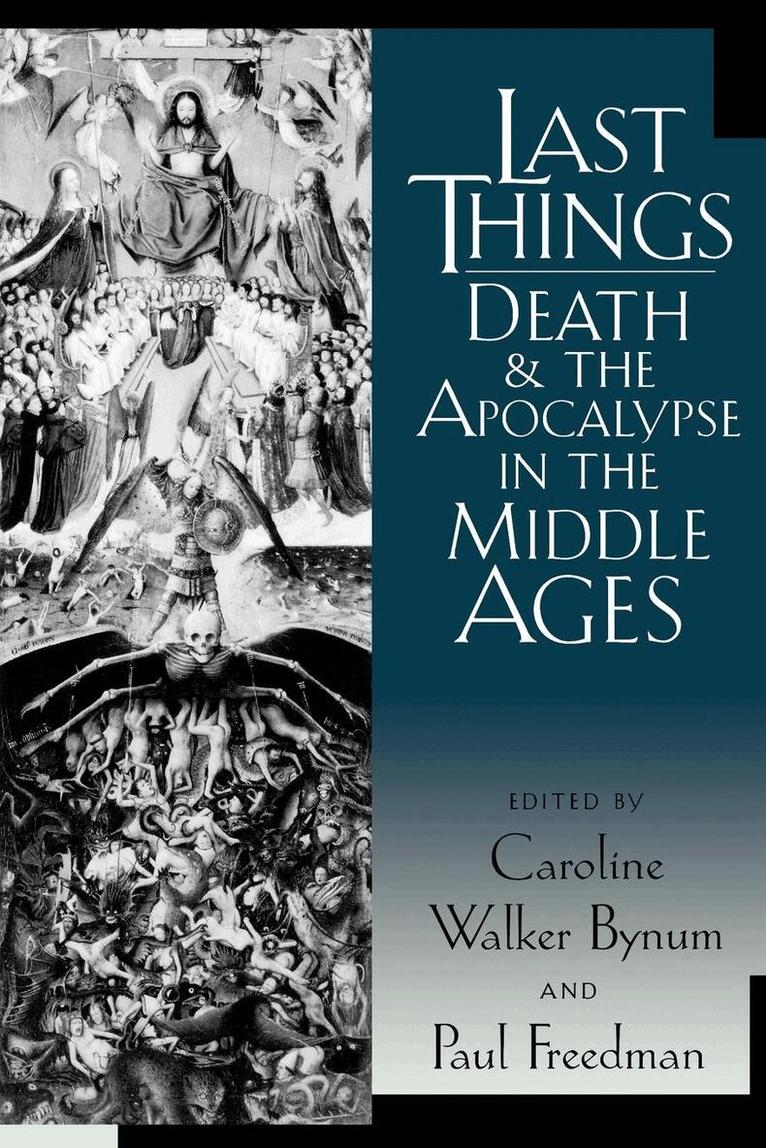
    Caroline Walker Bynum is Professor of Medieval History at the Institute for Advanced Study in Princeton, New Jersey. Past president of both the American Historical Association and the Medieval Academy of America, she was a MacArthur Fellow from 1986 to 1991. She is the author of numerous books, including Metamorphosis and Identity, The Resurrection of the Body in Western Christianity, 200-1336, Fragmentation and Redemption: Essays on Gender and the Human Body in Medieval Religion, and Holy Feast and Holy Fast: The Religious Significance of Food to Medieval Women, and is the editor, with Paul Freedman, of Last Things: Eschatology and Apocalypse in the Middle Ages, also published by the University of Pennsylvania Press.

    Recensioner i media

    "Bynum's latest masterpiece."-Renaissance Quarterly"A wide-ranging exploration of the meaning of the macabre but ubiquitous 'blood piety' that loomed large in Western Christianity in the later Middle Ages."-New York Review of Books"For three decades now, Bynum has been pivotal in drawing the attention even of nonspecialists to some of the overlooked, sophisticated conceptions that late medieval piety developed of personal identity, death, redemption, gender, asceticism, and the body. She now zooms in on and brilliantly illuminates the equally complex and equally crucial issue of blood. . . . Her empathy with medieval Christians has allowed her to put her finger on one of their key concerns, and Wonderful Blood should refocus the study of late medieval piety once more."-Times Literary Supplement"A work of deep scholarship. . . Bynum's erudite book poses the question, why blood? . . . There is no other scholar who is better prepared to answer that question."-Speculum

    Innehållsförteckning

    • List of IllustrationsPrefaceSome Notes on UsageChapter 1. Introduction: A Frenzy for Blood-The Emergence of Blood Piety-Blood in the Fifteenth-Century North-Some Recent ApproachesPART I. CULTS IN NORTHERN GERMANYChapter 2. Wilsnack-The Events-Historiography-Blood at the Center-Treatises de Sanguine -Larger QuestionsChapter 3. Cults in Mecklenburg and the Mark Brandenburg-Historiography and the Problem of the Evidence-Blood Cult in Middle Germany and the Havelland-North and West of Wilsnack-Anti-Jewish Libels Circa 1500: Sternberg and Berlin-The Fate of Cults in the Sixteenth-Century North-Holy Matter and the JewsPART II. BLOOD DISPUTES IN FIFTEENTH-CENTURY EUROPE AND THEIR BACKGROUNDChapter 4. Debates About Eucharistic Transformations and Blood Relics-Visions and Transformations-The Practical Issue of Transformed Hosts-Concomitance and the Cup-The Debate over Blood Relics: Background-Grosseteste, Bonaventure, and Aquinas on Blood Relics and Identity-Gerhard of Cologne-Discussions of Blood Relics in the Fifteenth CenturyChapter 5. Christ's Blood in the Triduum Mortis-Mayronis and the Barcelona Controversy of 1350-51-John of Capistrano on the Precious Blood-The Triduum Mortis Debate of 1462-64-Some Arguments Attributed to Nicholas of Cusa-Patterns in Dominican and Franciscan Theology-ConclusionPART III. THE ASSUMPTIONS OF BLOOD PIETYChapter 6. A Concern for Immutability-The Immutability Theme at Wilsnack-The Transformed-Hosts Debate: A Deeper Issue-Immutability in Debates over Blood Relics and Treatises de Sanguine-Wholeness and Immutability in Story and Cult-Devotional Images-ConclusionChapter 7. Living Blood Poured Out-Blood as Fertility-Blood as Social Survival-Blood as Engendering and Gendered-Blood as Sedes Animae-Continuity in Discontinuity: The Exsanguination of Christ-Blood as AliveChapter 8. Blood as Separated and Shed-The Stress on Separation-Blood as Drops-The Revelation of the Hundred Pater Nosters-Accusation and Reproach-Blood as Symbol-The Deeper Paradox: SacrificePART IV. SACRIFICE AND SOTERIOLOGYChapter 9. Late Medieval Soteriology-Salvation as Satisfaction and Response: The Conventional Account-Salvation as Participation-Julian of Norwich-ConclusionChapter 10. Sacrificial Theology-The Biblical and Patristic Background-Destruction and Oblation-Sacrifice in Blood Cult and Controversy-The Sixteenth CenturyChapter 11. The Aporia of Sacrifice-Questioning Blood: The Meditations on the Life of Christ-Avoiding Sacrifice-Who Sacrifices? Including/Excluding Christians and Blaming Jews-Sacrifice and the Marking of MatterChapter 12. Conclusion: Why Blood?List of AbbreviationsNotesBibliography of Works CitedIndexAcknowledgments