• Fri frakt över 249 kr
  • •
  • Snabba leveranser
  • •
  • Billiga böcker
Kundservice

Du är på sajten för privatpersoner.

Företag, bibliotek eller offentlig verksamhet?

Du handlar på classic.bokus.com, där alla dina funktioner finns intakta.
Till classic.bokus.com
Bokus logotyp. Gå till startsidan.
  • Erbjudanden
  • Nyheter
  • Student
  • Topplistor
  • Barn & ungdom
  • Bokus Play
  • E-böcker
  • Pocketböcker
  • Spel & pussel

10% rabatt på allt med kod: NYSTART10 →

Sidfot

Mina sidor

    Hjälp

    • Kundservice
    • Vanliga frågor och svar
    • Frakt och leverans
    • Retur vid ångerrätt
    • Reklamera vara
    • Betalning
    • Köpvillkor
    • Allmänna villkor
    • Information om webbplatsens tillgänglighet

    Om Bokus

    • Om oss
    • Pressrum
    • För studenter
    • För företag
    • För bibliotek och offentlig verksamhet
    • För leverantörer
    • Hållbarhet

    Populärt

    • Aktuella erbjudanden
    • Presentkort
    • Studentlitteratur
    • Nya böcker
    • Topplistor
    • Signerade böcker
    • Engelska böcker

    Inspiration

    • Boktips
    • BookTok
    • Populära bokserier
    • Barnbokskaraktärer
    • Populära författare
    Logotyp för Bokus
    Följ oss på Facebook (extern länk)Följ oss på Instagram (extern länk)Följ oss på YouTube (extern länk)Följ oss på TikTok (extern länk)
    bokus @ CookiesAnpassa cookiesIntegritetspolicyKöpvillkor
    Till Citymail hemsida (extern länk)Till Budbee hemsida (extern länk)Till Postnord hemsida (extern länk)Till Schenker hemsida (extern länk)Till Early Bird hemsida (extern länk)Till Walleys hemsida (extern länk)
    1. Kultur
    2. Konstböcker
    3. Konsthistoria

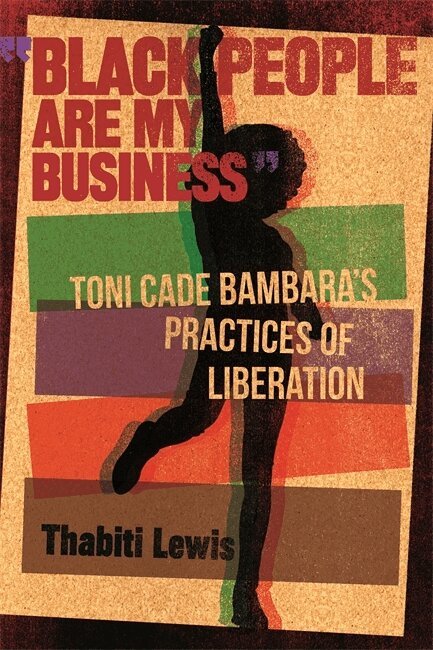
    Black People Are My Business

    Toni Cade Bambara's Practices of Liberation

    AvThabiti Lewis

    Häftad, Engelska, 2020

    Del i serien African American Life Series

    455 kr

    Beställningsvara. Skickas inom 10-15 vardagar. Fri frakt över 249 kr.

    Fler format och utgåvor

    Inbunden

    1 077 kr

    Beskrivning

    "Black People Are My Business": Toni Cade Bambara's Practices of Liberation studies the works of Bambara (1939-1995), an author, documentary filmmaker, social activist, and professor. Thabiti Lewis's analysis serves as a cultural biography, examining the liberation impulses in Bambara's writing, which is concerned with practices that advance the material value of the African American experience and exploring the introspection between artist production and social justice. This is the first monograph that focuses on Bambara's unique approach and important literary contribution to 1970s and 1980s African American literature. It explores her unique nationalist, feminist, Marxist, and spiritualist ethos, which cleared space for many innovations found in black women's fiction.Divided into five chapters, Lewis's study relies on Bambara's voice (from interviews and essays) to craft a "spiritual wholeness aesthetic"-a set of principles that comes out of her practices of liberation and entail family, faith, feeling, and freedom-that reveals her ability to interweave ethnic identity, politics, and community engagement and responsibility with the impetus of balancing black male and female identity influences and interactions within and outside the community. One key feature of Bambara's work is the concentration on women as cultural workers whereby her notion of spiritual wholeness upends what has become a scholarly distinction between feminism and black nationalism. Bambara's fiction situates her as a pivotal voice within the Black Arts Movement and contemporary African American literature.Bambara is an understudied and important artistic voice whose aversion to playing it safe both personified and challenged the boundaries of black nationalism and feminism. "Black People Are My Business" is a wonderful addition to any reader's list, especially those interested in African American literary and cultural studies.
    Produktinformation

    • Utgivningsdatum:2020-09-08
    • Mått:152 x 228 x 16 mm
    • Vikt:368 g
    • Format:Häftad
    • Språk:Engelska
    • Serie:African American Life Series
    • Antal sidor:252
    • Förlag:Wayne State University Press
    • ISBN:9780814344293

    Utforska kategorier

    • Konsthistoria inom Kultur
    • Litteraturvetenskap inom Skönlitteratur
    • Etnicitet inom Samhälle och politik

    Mer om författaren

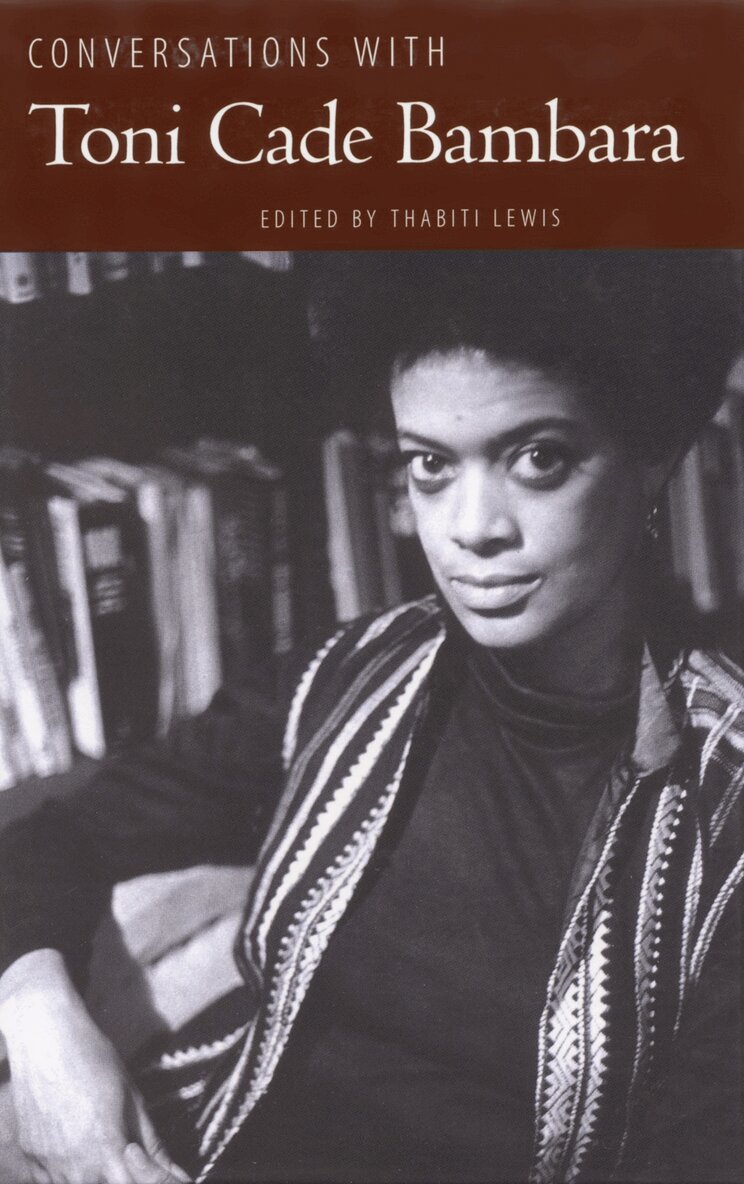
    Thabiti Lewis is an associate professor of English and interim associate vice chancellor of academic affairs at Washington State University, Vancouver. He is also the editor of Conversations with Toni Cade Bambara and Ballers of the New School: Race and Sports in America. He writes extensively about masculinity, sports, and popular culture.

    Recensioner i media

    Lewis intervenes by re-establishing the boundaries and intergenerational building blocks of the Black Arts Movement by situating Bambara as a midwife for the creative legacy of the moment. He also reorients his readers to Bambara's role as foremother to some of the most acclaimed and well-read works by black women. This is essential for recognizing and placing Bambara within a more sustained discourse on the Black Arts Movement and Black women's evolution from that moment into their own creative renaissance. A necessary and overdue study. Lewis captures the significance of one of the most important figures in black and women's liberation struggles of the 60s and 70s in the U.S. Though Bambara has been undervalued as a revolutionary writer/activist/theorist of the Black Arts Movement, Lewis articulates in new ways, through an examination of her short stories and novels, the nature of her Black nationalist/feminist commitments and her 'spiritual wholeness aesthetic.' Lewis also underscores how Bambara practices 'nation building in her art' in unapologetic, creative, and brilliant ways. Lewis does a superb job of defending a unique and overdue analysis of Toni Cade Bambara's fiction. The technique of viewing Bambara's fiction through the lens of the spiritual wholeness aesthetic with its most frequent source in the Black Aesthetic Movement moves readers' attention from the dominant paradigm of viewing Bambara's fiction from a heavily womanist perspective to an interrogation of how Bambara's spiritual, political aesthetic reflects an interweaving of self and ethnic identity, community engagement and responsibility, a balancing of black male and black female identity and of how self-awareness or lack of it influences interactions within and outside the black community. 'Black People Are My Business' offers an insightful and empathetic analysis of Bambara's complete corpus-her popular short stories, her novels, and her nonfiction prose. Thabiti Lewis is an astute reader who illuminates the many ways in which Bambara was and is an indispensable writer. There can't be enough good books on Toni Cade Bambara, so Thabiti Lewis's 'Black People Are My Business' is a real gift. His close readings of Bambara's fiction adds an important layer to the conversation about Bambara and, as importantly, about reading/writing as a practice of liberation in African American literary studies.