• Fri frakt över 249 kr
  • •
  • Snabba leveranser
  • •
  • Billiga böcker
Kundservice

Du är på sajten för privatpersoner.

Företag, bibliotek eller offentlig verksamhet?

Du handlar på classic.bokus.com, där alla dina funktioner finns intakta.
Till classic.bokus.com
Bokus logotyp. Gå till startsidan.
  • Erbjudanden
  • Nyheter
  • Student
  • Topplistor
  • Barn & ungdom
  • Bokus Play
  • E-böcker
  • Pocketböcker
  • Spel & pussel

10% rabatt på allt med kod NYSTART10 →

Sidfot

Mina sidor

    Hjälp

    • Kundservice
    • Vanliga frågor och svar
    • Frakt och leverans
    • Retur vid ångerrätt
    • Reklamera vara
    • Betalning
    • Köpvillkor
    • Allmänna villkor
    • Information om webbplatsens tillgänglighet

    Om Bokus

    • Om oss
    • Pressrum
    • För studenter
    • För företag
    • För bibliotek och offentlig verksamhet
    • För leverantörer
    • Hållbarhet

    Populärt

    • Aktuella erbjudanden
    • Presentkort
    • Studentlitteratur
    • Nya böcker
    • Topplistor
    • Signerade böcker
    • Engelska böcker

    Inspiration

    • Boktips
    • BookTok
    • Populära bokserier
    • Barnbokskaraktärer
    • Populära författare
    Logotyp för Bokus
    Följ oss på Facebook (extern länk)Följ oss på Instagram (extern länk)Följ oss på YouTube (extern länk)Följ oss på TikTok (extern länk)
    bokus @ CookiesAnpassa cookiesIntegritetspolicyKöpvillkor
    Till Citymail hemsida (extern länk)Till Budbee hemsida (extern länk)Till Postnord hemsida (extern länk)Till Schenker hemsida (extern länk)Till Early Bird hemsida (extern länk)Till Walleys hemsida (extern länk)
    1. Kultur
    2. Konstböcker
    3. Konstformer
    4. Övriga konstformer
    5. Digital konst, videokonst och new media arts

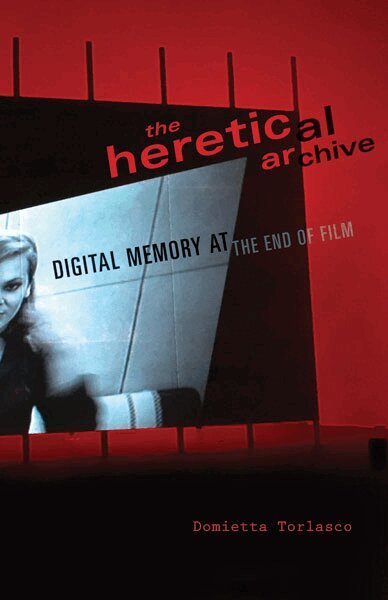
    Heretical Archive

    Digital Memory at the End of Film

    AvDomietta Torlasco

    Häftad, Engelska, 2013

    307 kr

    Beställningsvara. Skickas inom 5-8 vardagar. Fri frakt över 249 kr.

    Beskrivning

    The Heretical Archive examines the relationship between memory and creation in contemporary artworks that use digital technology while appropriating film materials. Domietta Torlasco argues that these digital films and multimedia installations radically transform our memory of cinema and our understanding of the archive. Indeed, such works define a notion of archiving not as the passive preservation of audiovisual signs but as an intervention and the creative rearticulation of cinema’s perceptual and political textures. Connecting psychoanalysis, phenomenology, and feminist theory in innovative ways, Torlasco analyzes cutting-edge digital works that engage with the past of European cinema and visual culture, including video installations by Monica Bonvicini (Destroy She Said) and Pierre Huyghe (The Ellipsis), AgnÈs Varda’s film The Gleaners and I, Marco Poloni’s multimedia installation The Desert Room, and Chris Marker’s CD-ROM Immemory. Torlasco’s central claim is that if the archives of psychoanalysis and cinema have long privileged the lineage that runs from Oedipus to Freud, the archives of the digital age-what she calls the “heretical archive”-can help us imagine an unruly, porous, multifaceted legacy, one in which marginal figures return to speak of lost life as much as of life that demands to be lived.

    Produktinformation

    • Utgivningsdatum:2013-03-05
    • Mått:140 x 216 x 25 mm
    • Format:Häftad
    • Språk:Engelska
    • Antal sidor:160
    • Förlag:University of Minnesota Press
    • ISBN:9780816681105

    Utforska kategorier

    • Digital konst, videokonst och new media arts inom Kultur
    • Litteraturteori inom Skönlitteratur

    Mer om författaren

    Domietta Torlasco is associate professor of French and Italian and comparative literary studies at Northwestern University. She is the creator of the digital film Antigone’s Noir and the author of The Time of the Crime: Phenomenology, Psychoanalysis, Italian Film.

    Recensioner i media

    "Inspired by other scholars who have brought the phenomenological method to cinema, Domietta Torlasco writes beautifully of her own encounters with films and images, drawing the reader into her own vision as she elucidates its implication in a constellation of deep thought. The book’s insights are as fresh and profound as its writing, in other words: at its best moments, it is a real tour de force that is an extended reflection rather than a series of discrete observations." -Amy Villarejo, author of Film Studies: The Basics "Digital technology allows once quiescent cinemagoers to dismantle and refashion previously inviolable products of the film industry. Torlasco sees the potential for politically transformative thinking in such acts. She argues that our capacity to imagine alternative futures may depend on our ability to reconfigure the virtual archive of filmic memory. Part philosophical reflection, part manifesto, Torlasco's book is essential reading for anyone wishing to steer a critical theory of audiovisual art between the Scylla and Charybdis of technophilia and artworldspeak. " -Victor Burgin, author of The Remembered Film

    Innehållsförteckning

    • ContentsAcknowledgmentsIntroduction1. Against House Arrest: Antigone and the Impurity of the Death Drive2. Digital Impressions: Writing Memory after AgnÈs Varda3. Folding Time: Toward a New Theory of Montage4. Archiving Disappearance: From Michelangelo Antonioni to New MediaNotesIndex