• Fri frakt över 249 kr
  • •
  • Snabba leveranser
  • •
  • Billiga böcker
Kundservice

Du är på sajten för privatpersoner.

Företag, bibliotek eller offentlig verksamhet?

Du handlar på classic.bokus.com, där alla dina funktioner finns intakta.
Till classic.bokus.com
Bokus logotyp. Gå till startsidan.
  • Erbjudanden
  • Nyheter
  • Student
  • Topplistor
  • Barn & ungdom
  • Bokus Play
  • E-böcker
  • Pocketböcker
  • Spel & pussel

10% rabatt på allt med kod: NYSTART10 →

Sidfot

Mina sidor

    Hjälp

    • Kundservice
    • Vanliga frågor och svar
    • Frakt och leverans
    • Retur vid ångerrätt
    • Reklamera vara
    • Betalning
    • Köpvillkor
    • Allmänna villkor
    • Information om webbplatsens tillgänglighet

    Om Bokus

    • Om oss
    • Pressrum
    • För studenter
    • För företag
    • För bibliotek och offentlig verksamhet
    • För leverantörer
    • Hållbarhet

    Populärt

    • Aktuella erbjudanden
    • Presentkort
    • Studentlitteratur
    • Nya böcker
    • Topplistor
    • Signerade böcker
    • Engelska böcker

    Inspiration

    • Boktips
    • BookTok
    • Populära bokserier
    • Barnbokskaraktärer
    • Populära författare
    Logotyp för Bokus
    Följ oss på Facebook (extern länk)Följ oss på Instagram (extern länk)Följ oss på YouTube (extern länk)Följ oss på TikTok (extern länk)
    bokus @ CookiesAnpassa cookiesIntegritetspolicyKöpvillkor
    Till Citymail hemsida (extern länk)Till Budbee hemsida (extern länk)Till Postnord hemsida (extern länk)Till Schenker hemsida (extern länk)Till Early Bird hemsida (extern länk)Till Walleys hemsida (extern länk)
    1. Samhälle och politik
    2. Samhälle och kultur
    3. Kultur och medier
    4. Kulturvetenskap

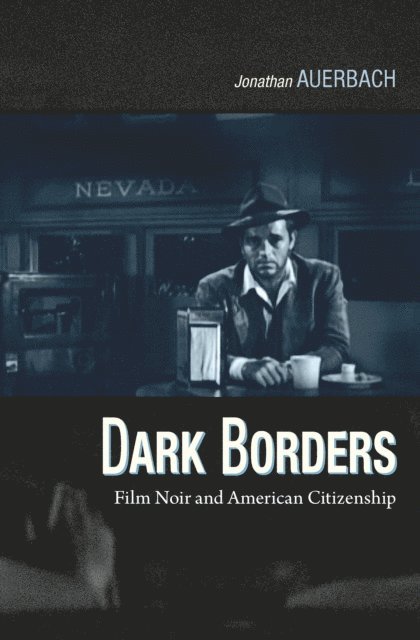
    Dark Borders

    Film Noir and American Citizenship

    AvJonathan Auerbach

    Häftad, Engelska, 2011

    294 kr

    Beställningsvara. Skickas inom 5-8 vardagar. Fri frakt över 249 kr.

    Fler format och utgåvor

    E-bok

    455 kr

    Beskrivning

    Dark Borders connects anxieties about citizenship and national belonging in midcentury America to the sense of alienation conveyed by American film noir. Jonathan Auerbach provides in-depth interpretations of more than a dozen of these dark crime thrillers, considering them in relation to U.S. national security measures enacted from the mid-1930s to the mid-1950s. The growth of a domestic intelligence-gathering apparatus before, during, and after the Second World War raised unsettling questions about who was American and who was not, and how to tell the difference. Auerbach shows how politics and aesthetics merge in these noirs, whose oft-noted uncanniness betrays the fear that “un-American” foes lurk within the homeland. This tone of dispossession was reflected in well-known films, including Double Indemnity, Out of the Past, and Pickup on South Street, and less familiar noirs such as Stranger on the Third Floor, The Chase, and Ride the Pink Horse. Whether tracing the consequences of the Gestapo in America, or the uncertain borderlines that separate the United States from Cuba and Mexico, these movies blur boundaries; inside and outside become confused as (presumed) foreigners take over domestic space. To feel like a stranger in your own home: this is the peculiar affective condition of citizenship intensified by wartime and Cold War security measures, as well as a primary mood driving many midcentury noir films.

    Produktinformation

    • Utgivningsdatum:2011-03-25
    • Mått:156 x 232 x 17 mm
    • Vikt:399 g
    • Format:Häftad
    • Språk:Engelska
    • Antal sidor:280
    • Förlag:Duke University Press
    • ISBN:9780822350064

    Utforska kategorier

    • Kulturvetenskap inom Samhälle och politik
    • Film inom Kultur

    Mer om författaren

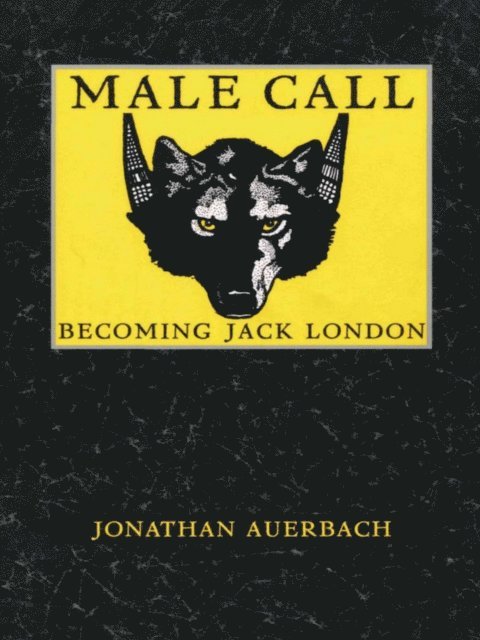
    Jonathan Auerbach is Professor of English at the University of Maryland, College Park. He is the author of Body Shots: Early Cinema’s Incarnations; Male Call: Becoming Jack London, also published by Duke University Press; and The Romance of Failure: First-Person Fictions of Poe, Hawthorne, and James.

    Recensioner i media

    “This terrific book offers fresh insight into both the genre of film noir and the cultural production of the postwar and early Cold War period. Through rich, historically contextualized readings of a range of noir films, Jonathan Auerbach shows how the genre captured the uncanniness of a time of suspicion and paranoia. By illuminating the uncanny figures (the immigrants, the aliens, the strangers) and spaces (national borders and urban zones) that characterize the noir affect, he shows how these films dramatized the national response to the changing terms of citizenship and subjectivity as the anxious fear of the stranger within.”-Priscilla Wald, author of Contagious: Cultures, Carriers, and the Outbreak Narrative “While scholars have long attended to film noir as one of the preeminent genres of U.S. cinema, they ironically have rarely studied it in terms of its specific engagements with national self-identity and self-definition. Deftly employing his strong and reputed background in American studies to far-reaching ends, Jonathan Auerbach shows precisely how film noir was central to the country’s self-questioning in the fraught times of the Cold War. This is a groundbreaking study that comes up with trenchant insights about a genre that one might have thought had nothing new to yield to critical inquiry.”-Dana Polan, author of Julia Child’s The French Chef “[A] wholly original, ground-level reconsideration of noir's cultural setting. . . . Auerbach's book augurs . . .a theory-to-come of U.S. film that can leam to disable those old tropes and inspire truly fresh lines of aesthetic and political questioning.” - Matt Tierney (Film Criticism) “The book as a whole is exemplary in its analysis of the interrelation between film noir and the social and political history of the 1940s and early 50s.” - Martin Fradley (Film Quarterly) “Auerbach provides unique close readings of a select group of films that assist us in seeing film noir in relation to concerns over citizenship and Cold War paranoia. It provides a valuable starting point from which we can hope future scholarship will further delve into such connections.” - Christopher Robé (Journal of American History) “This insightful study wisely ranges beyond the genre’s usual suspects. Recommended. All readers.” - M. Yacowar (Choice) “[I]f you have an abiding interest in film noir . . . you will find Dark Borders has a lot to offer. While most books on film noir take a rather broad approach in their examination of the genre, Auerbach chose a core of films to study in order to link the book’s overriding theme. By concentrating on a handful of films, he provides a comprehensive insight to each one, and therein lies the strength of the book.” - Phil Stufflebean (American Film Noir) “]Auerbach’s] rigorous and creative readings of these films will prove indispensable for serious students of noir. . . . some of the most exciting moments to be noted in Auerbach’s compelling book demonstrate nuanced uses of cultural history to inform his film analysis. Such exciting subjects include Lucky Luciano and the Second World War, Hemingway’s annoyance over inefficient government help during the 1935 hurricane, and the emergence of corporate and managerial structures of power and identity.” - Sam B. Girgus (American Literature) “Auerbach offers some significant fresh insights into territory one would have thought to now be fully excavated.“ - Tony Williams (Screening the Past) “Auerbach evokes the ever-present sense of fear existing in an early Cold War American public through his analysis of these films. Both insightful and unique in its undertaking, this book speaks openly and convincingly to the relationship between political agenda, disenfranchisement and art.” - Laura Crawford (Media International Australia)

    Innehållsförteckning

    • Illustrations viiAcknowledgments ixIntroduction: The Un-Americanness of Film Noir 11. Gestapo in America: Confessions of a Nazi Spy and Stranger on the Third Floor 272. White Collar Murder: Double Indemnity 573. Cuba, Gangsters, Vets, and Other Outcasts of the Islands: The Chase and Key Largo 914. North From Mexico: Border Incident, Hold Back the Dawn, Secret Beyond the Door, and Out of the Past 1235. Bad Boy Patriots: This Gun for Hire, Ride the Pink Horse, and Pickup on South Street 155Postscript: Darkness Visible 185Notes 205Bibilography 245Index 261