• Fri frakt över 249 kr
  • •
  • Snabba leveranser
  • •
  • Billiga böcker
Kundservice

Du är på sajten för privatpersoner.

Företag, bibliotek eller offentlig verksamhet?

Du handlar på classic.bokus.com, där alla dina funktioner finns intakta.
Till classic.bokus.com
Bokus logotyp. Gå till startsidan.
  • Erbjudanden
  • Student
  • Topplistor
  • Barn & ungdom
  • Bokus Play
  • E-böcker
  • Ljudböcker
  • Pocketböcker
  • Spel & pussel

Upp till 25% på utvalda nyheter →

Sidfot

Mina sidor

    Hjälp

    • Kundservice
    • Vanliga frågor och svar
    • Frakt och leverans
    • Retur vid ångerrätt
    • Reklamera vara
    • Betalning
    • Köpvillkor
    • Allmänna villkor
    • Information om webbplatsens tillgänglighet

    Om Bokus

    • Om oss
    • Pressrum
    • För studenter
    • För företag
    • För bibliotek och offentlig verksamhet
    • För leverantörer
    • Hållbarhet

    Populärt

    • Aktuella erbjudanden
    • Presentkort
    • Studentlitteratur
    • Nya böcker
    • Topplistor
    • Signerade böcker
    • Engelska böcker

    Inspiration

    • Boktips
    • BookTok
    • Populära bokserier
    • Barnbokskaraktärer
    • Populära författare
    Logotyp för Bokus
    Följ oss på Facebook (extern länk)Följ oss på Instagram (extern länk)Följ oss på YouTube (extern länk)Följ oss på TikTok (extern länk)
    bokus @ CookiesAnpassa cookiesIntegritetspolicyKöpvillkor
    Till Citymail hemsida (extern länk)Till Budbee hemsida (extern länk)Till Postnord hemsida (extern länk)Till Schenker hemsida (extern länk)Till Early Bird hemsida (extern länk)Till Walleys hemsida (extern länk)
    1. Samhälle och politik
    2. Sociologi och antropologi
    3. Antropologi

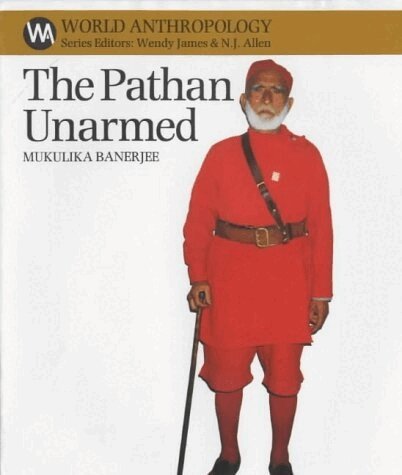
    Pathan Unarmed

    Opposition and Memory in the Khudai Khidmatgar Movement

    AvMukulika Banerjee

    Häftad, Engelska, 2000

    Del i serien World Anthropology

    271 kr

    Beställningsvara. Skickas inom 5-8 vardagar. Fri frakt över 249 kr.

    Beskrivning

    Examines the rise in the inter-war years of a Gandhian influenced non-violent movement in the North West Frontier.The Pukhtun (Pathan) of the North West Frontier are regarded as a warrior people. Yet in the inter-war years there arose a Muslim movement, the Khudai Khidmatgar (Servants of God), which adopted military forms of organizations anddress, but which also drew its inspiration from Gandhian principles of non-violent action and was dedicated to an Indian nationalism rather than communal separatism.Virtually erased from the national historiography of post-partition Pakistan, where they now reside, the ageing veterans of the movement are still highly respected by younger Pukhtun. This is an account of rank and file members of the Khudai Khidmatgar, describing why they joined, what they did, and how they perceived the ethics and aims of the movement. It attempts to answer the questions of how notoriously violent Pukhtun were converted to an ethic of non-violence. It finds the answer rooted in the transformation of older social structures, Islamic revisionism and the redefinition of the traditional code of honour.South Asia excluding India: OUPSeries Editors: Wendy James & N.J. Allen

    Produktinformation

    • Utgivningsdatum:2000-12-21
    • Mått:156 x 234 x 14 mm
    • Vikt:386 g
    • Format:Häftad
    • Språk:Engelska
    • Serie:World Anthropology
    • Antal sidor:256
    • Förlag:James Currey
    • ISBN:9780852552735

    Utforska kategorier

    • Antropologi inom Samhälle och politik
    • Politisk aktivism inom Samhälle och politik
    • Revolutioner och uppror inom Historia och arkeologi

    Recensioner i media

    Mukulika Banerjee's extraordinarily timely study ... sets out to recover a story that has receded from the historical record as well as from popular memory. It is a story that disturbs orientalist stereotypes about the region and its people, and complicates the national narratives of Pakistan and of India. It should also give pause to the policy wonks shuttling between the Beltway and Downing Street, transmuted by the need of the hour into anthropologists and historians as they bone up on Islam and its ways, and on the martial traditions and factional culture of the Afghans. ... Badsha Khan was, for a time, able to make his people believe that the idea of the modern state could be made trustworthy. He was able to forge a movement that tapped the moral repertoire of Islam, and link it into local predispositions, weaving together a distinctive symbolic and practical cloth. This historical episode seems far indeed from the political imagination of Pathans today. But its memory may still have an effect: different futures need alternative pasts. As Haji Chairman Meherban Saha, a veteran Khudai Khidmatgar in his eighties, recalled when talking to Banerjee, 'Badsha Khan's words seemed sweet to us... Talk to a Pathan sweetly and he will do anything.' - Sunnil Khilnani in The

    Innehållsförteckning

    • The North-West Frontier Province in the early 20th century; the origins of the Khudai Khidmatgar movement; ethnography of the movement; the British riposte; leadership of the Khudai Khidmatgar movement; the ideology of the Khudai Khidmatgar movement; Pathans and nationalist politics; the work of memory; epilogue - the nature of frontiers.