• Fri frakt över 249 kr
  • •
  • Snabba leveranser
  • •
  • Billiga böcker
Kundservice

Du är på sajten för privatpersoner.

Företag, bibliotek eller offentlig verksamhet?

Du handlar på classic.bokus.com, där alla dina funktioner finns intakta.
Till classic.bokus.com
Bokus logotyp. Gå till startsidan.
  • Erbjudanden
  • Nyheter
  • Student
  • Topplistor
  • Barn & ungdom
  • Bokus Play
  • E-böcker
  • Pocketböcker
  • Spel & pussel

10% rabatt på allt med kod NYSTART10 →

Sidfot

Mina sidor

    Hjälp

    • Kundservice
    • Vanliga frågor och svar
    • Frakt och leverans
    • Retur vid ångerrätt
    • Reklamera vara
    • Betalning
    • Köpvillkor
    • Allmänna villkor
    • Information om webbplatsens tillgänglighet

    Om Bokus

    • Om oss
    • Pressrum
    • För studenter
    • För företag
    • För bibliotek och offentlig verksamhet
    • För leverantörer
    • Hållbarhet

    Populärt

    • Aktuella erbjudanden
    • Presentkort
    • Studentlitteratur
    • Nya böcker
    • Topplistor
    • Signerade böcker
    • Engelska böcker

    Inspiration

    • Boktips
    • BookTok
    • Populära bokserier
    • Barnbokskaraktärer
    • Populära författare
    Logotyp för Bokus
    Följ oss på Facebook (extern länk)Följ oss på Instagram (extern länk)Följ oss på YouTube (extern länk)Följ oss på TikTok (extern länk)
    bokus @ CookiesAnpassa cookiesIntegritetspolicyKöpvillkor
    Till Citymail hemsida (extern länk)Till Budbee hemsida (extern länk)Till Postnord hemsida (extern länk)Till Schenker hemsida (extern länk)Till Early Bird hemsida (extern länk)Till Walleys hemsida (extern länk)
    1. Historia och arkeologi
    2. Historia

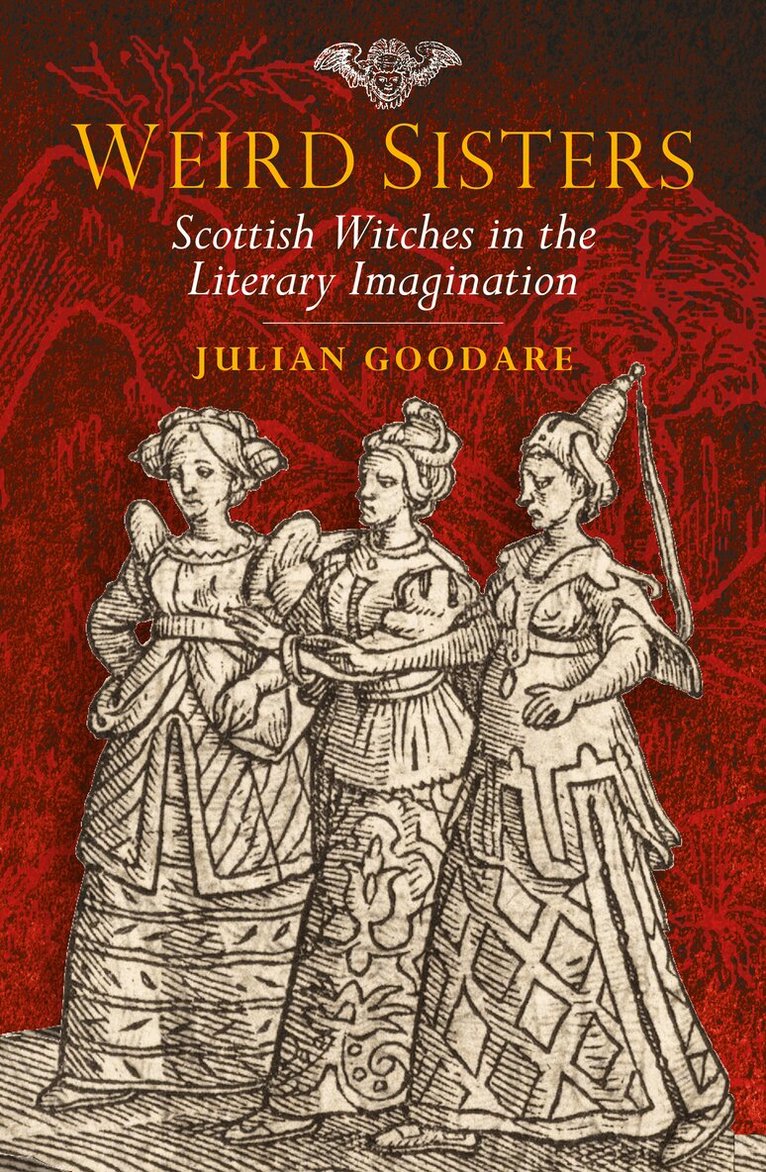
    Weird Sisters

    Scottish Witches in the Literary Imagination

    AvJulian Goodare

    Häftad, Engelska, 2026

    328 kr

    Skickas . Fri frakt över 249 kr.

    Fler format och utgåvor

    E-bok

    229 kr

    Beskrivning

    Witches in medieval fiction were linked with otherworlds – heaven, hell or fairyland. By the later sixteenth century, as witchcraft prosecutions gathered pace, fictional witches were connected more firmly to the Devil and to hell. Writers then began undermining this by treating witchcraft as a topic of ridicule; threatening magic was replaced by harmless folklore.This book analyses fictional and imaginative writings about Scottish witches between about 1450 and 1750. It places literary witches in their historical context, comparing them with real people who were prosecuted and executed for witchcraft in this dark period of Scotland’s past. It turns out that literary witches are often very different from historical ones: most are comical characters, and some are not even human.The phrase ‘weird sisters’, familiar from Shakespeare’s Macbeth, originated in Scotland, and there is a detailed discussion of the meaning of the phrase and connections between the ‘Scottish play’ and Scotland itself. Many of Scotland’s famous Renaissance poets and dramatists wrote about witches, including William Dunbar, Sir David Lindsay and Alexander Montgomerie, and their work is also explored. By the end of the book, the discussion turns to Robert Burns’s ‘Tam o’ Shanter’ (1791) in which literary witches are fantasy fiction – as they have remained.

    Produktinformation

    • Utgivningsdatum:2026-07-02
    • Mått:153 x 234 x 13 mm
    • Vikt:225 g
    • Format:Häftad
    • Språk:Engelska
    • Antal sidor:160
    • Förlag:Birlinn General
    • ISBN:9780859767453

    Utforska kategorier

    • Historia inom Historia och arkeologi
    • Europas historia inom Historia och arkeologi
    • Socialhistoria och kulturhistoria inom Historia och arkeologi

    Mer om författaren

    Julian Goodare is Emeritus Professor of History, University of Edinburgh, and director of the online Survey of Scottish Witchcraft. His books include The European Witch-Hunt (2016). His co-edited books include Demonology and Witch-Hunting in Early Modern Europe (2020), with Rita Voltmer and Liv Helene Willumsen, and The Supernatural in Early Modern Scotland (2020), with Martha McGill, which was runner-up for the Folklore Society’s Katharine Briggs Award in 2021.