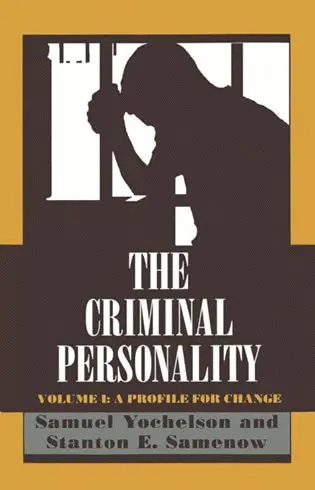
Criminal Personality
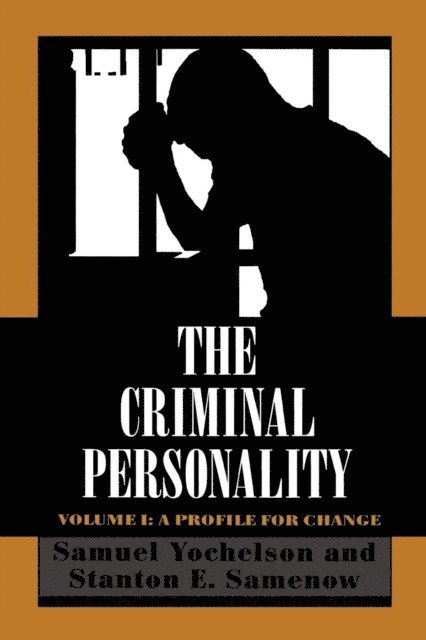
A Profile for Change
771 kr
Tillfälligt slut
Du är på sajten för privatpersoner.
771 kr
Tillfälligt slut
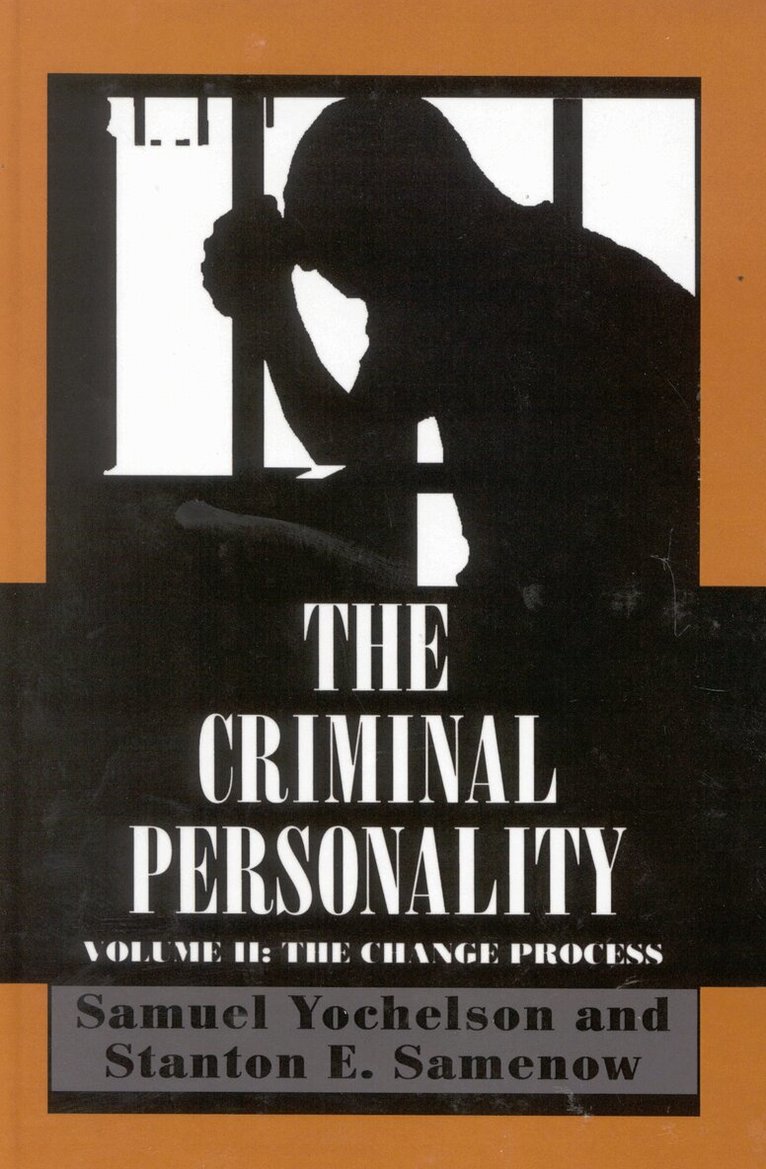
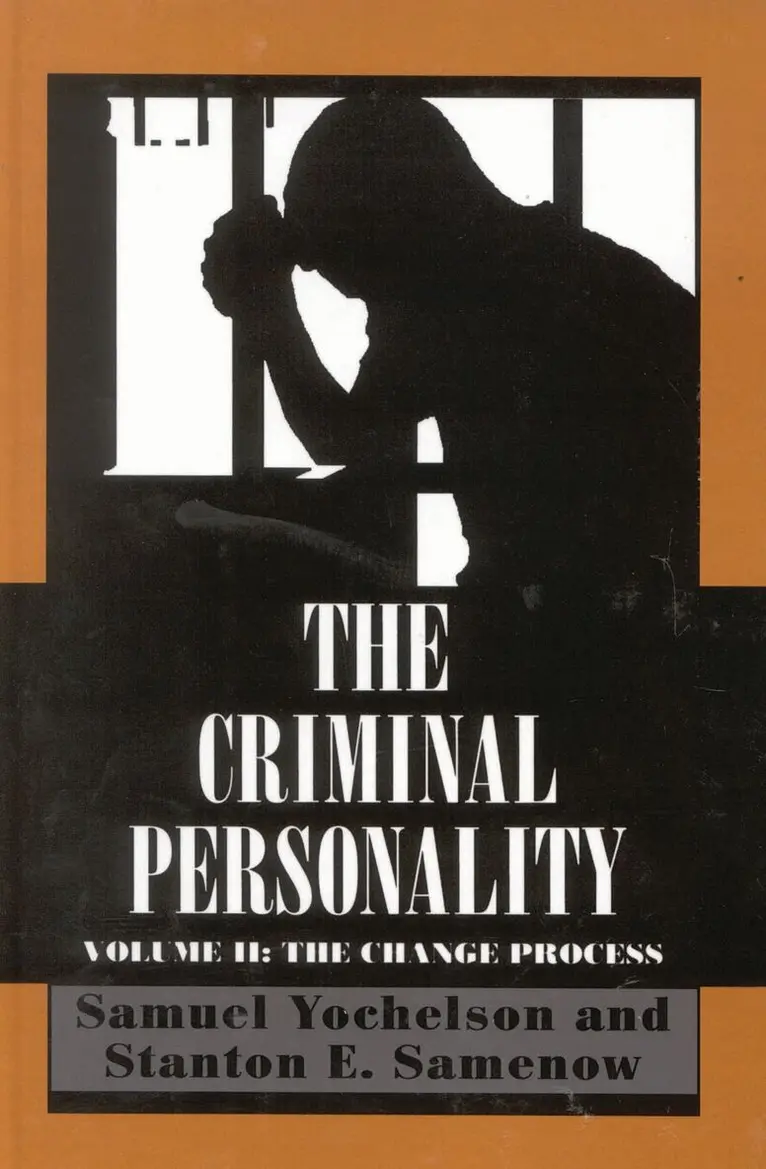
Samuel Yochelson, Ph.D., M.D., was until his death in 1976, director of the Program for the Investigation of Criminal Behavior at Saint Elizabeths Hospital, Washington, D.C. and research professor of clinical psychiatry at George Washington University School of Medicine Stanton E. Samenow, Ph.D., is a clinical psychologist in Alexandria, Virginia. He is also the co-author of The Criminal Personality, Volume II: The Change Process, and The Criminal Personality: Volume I, A Profile for Change.
The basic defect of traditional treatment systems is the persisting concept that criminals think and reason as non-criminals do and that they, therefore, respond similarly to both reasoning and love. Yochelson and Samenow have definitely profiled the characteristics of the errors of criminal thinking, together with their derivatives—feeling and behavior. They show persuasively that because of ingrained and pervasive errors of thinking, criminals live and act in a world with entirely different assumptivebases than those of non-criminals. The authors then proceed to develop a treatment program using a phenomenological process. This exhaustive and painstaking study marks a turning point in the history of efforts to rehabilitate criminals...
Du är på sajten för privatpersoner.
771 kr
Tillfälligt slut
Samuel Yochelson, Ph.D., M.D., was until his death in 1976, director of the Program for the Investigation of Criminal Behavior at Saint Elizabeths Hospital, Washington, D.C. and research professor of clinical psychiatry at George Washington University School of Medicine Stanton E. Samenow, Ph.D., is a clinical psychologist in Alexandria, Virginia. He is also the co-author of The Criminal Personality, Volume II: The Change Process, and The Criminal Personality: Volume I, A Profile for Change.
The basic defect of traditional treatment systems is the persisting concept that criminals think and reason as non-criminals do and that they, therefore, respond similarly to both reasoning and love. Yochelson and Samenow have definitely profiled the characteristics of the errors of criminal thinking, together with their derivatives—feeling and behavior. They show persuasively that because of ingrained and pervasive errors of thinking, criminals live and act in a world with entirely different assumptivebases than those of non-criminals. The authors then proceed to develop a treatment program using a phenomenological process. This exhaustive and painstaking study marks a turning point in the history of efforts to rehabilitate criminals...