• Fri frakt över 249 kr
  • •
  • Snabba leveranser
  • •
  • Billiga böcker
Kundservice

Du är på sajten för privatpersoner.

Företag, bibliotek eller offentlig verksamhet?

Du handlar på classic.bokus.com, där alla dina funktioner finns intakta.
Till classic.bokus.com
Bokus logotyp. Gå till startsidan.
  • Erbjudanden
  • Nyheter
  • Student
  • Topplistor
  • Barn & ungdom
  • Bokus Play
  • E-böcker
  • Pocketböcker
  • Spel & pussel

10% studentrabatt med kod TERM26

Sidfot

Mina sidor

    Hjälp

    • Kundservice
    • Vanliga frågor och svar
    • Frakt och leverans
    • Retur vid ångerrätt
    • Reklamera vara
    • Betalning
    • Köpvillkor
    • Allmänna villkor
    • Information om webbplatsens tillgänglighet

    Om Bokus

    • Om oss
    • Pressrum
    • För studenter
    • För företag
    • För bibliotek och offentlig verksamhet
    • För leverantörer
    • Hållbarhet

    Populärt

    • Aktuella erbjudanden
    • Presentkort
    • Studentlitteratur
    • Nya böcker
    • Topplistor
    • Signerade böcker
    • Engelska böcker

    Inspiration

    • Boktips
    • BookTok
    • Populära bokserier
    • Barnbokskaraktärer
    • Populära författare
    Logotyp för Bokus
    Följ oss på Facebook (extern länk)Följ oss på Instagram (extern länk)Följ oss på YouTube (extern länk)Följ oss på TikTok (extern länk)
    bokus @ CookiesAnpassa cookiesIntegritetspolicyKöpvillkor
    Till Citymail hemsida (extern länk)Till Budbee hemsida (extern länk)Till Postnord hemsida (extern länk)Till Schenker hemsida (extern länk)Till Early Bird hemsida (extern länk)Till Walleys hemsida (extern länk)
    1. Historia och arkeologi
    2. Historia
    3. Militärhistoria
    4. Andra världskriget

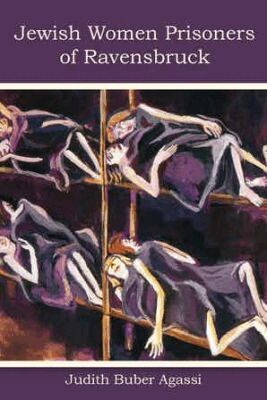
    Jewish Women Prisoners of Ravensbrück

    Who Were They?

    AvJudith Buber Agassi

    Häftad, Engelska, 2014

    Del i serien Modern Jewish History

    525 kr

    Skickas . Fri frakt över 249 kr.

    Beskrivning

    Ravensbrück was the only major Nazi concentration camp for women. Between 1939 and 1945, it was the site of murder by slave labour, torture, starvation, shooting, lethal injection, medical experimentation, and gassing. In its six-year history, 132,000 women from twenty-seven countries were imprisoned in Ravensbrück. Only about 15,000 in all survived.The Jewish Women Prisoners of Ravensbrück reclaims the lost identities of these victims. Together with a team of researchers, Judith Buber Agassi interviewed 138 survivors of Ravensbrück on four continents. Using the survivor testimonies to corroborate her research from major archives in Germany, Israel, and the United States, as well as from transport and death registration lists and from records that were smuggled out of the camp before liberation, Buber Agassi constructs an image of the women of Ravensbrück: their countries of origin, age distribution, professional roles prior to the war, religious backgrounds, and the types of social interactions and emotional support that existed among and between the various groups of women. To date, Buber Agassi has recovered the identity of over 16,000 Ravensbrück prisoners.Now in paperback, this study of Ravenbrück, largely overlooked in favour of more notorious killing campus, continues the female approach to understanding the Holocaust.

    Produktinformation

    • Utgivningsdatum:2014-08-01
    • Mått:152 x 226 x 25 mm
    • Vikt:550 g
    • Format:Häftad
    • Språk:Engelska
    • Serie:Modern Jewish History
    • Antal sidor:352
    • Förlag:Texas Tech Press,U.S.
    • Medarbetare:Sigrid Jacobeit
    • ISBN:9780896728721

    Utforska kategorier

    • Andra världskriget inom Historia och arkeologi
    • Sociala grupper och identitet inom Samhälle och politik
    • Förintelsen inom Historia och arkeologi

    Mer om författaren

    The daughter of a Ravensbrück survivor, Judith Buber Agassi has taught sociology and political science at universities in the United States, Canada, Israel, Germany, and Hong Kong. She currently resides in Tel Aviv, Israel, with her family.

    Recensioner i media

    An outstanding and impressive work of scholarship, one that provides us with an essential window into the history of this singular "hell for women." - The Jewish Daily Forward