• Fri frakt över 249 kr
  • •
  • Snabba leveranser
  • •
  • Billiga böcker
Kundservice

Du är på sajten för privatpersoner.

Företag, bibliotek eller offentlig verksamhet?

Du handlar på classic.bokus.com, där alla dina funktioner finns intakta.
Till classic.bokus.com
Bokus logotyp. Gå till startsidan.
  • Erbjudanden
  • Nyheter
  • Student
  • Topplistor
  • Barn & ungdom
  • Bokus Play
  • E-böcker
  • Pocketböcker
  • Spel & pussel

10% rabatt på allt med kod: NYSTART10 →

Sidfot

Mina sidor

    Hjälp

    • Kundservice
    • Vanliga frågor och svar
    • Frakt och leverans
    • Retur vid ångerrätt
    • Reklamera vara
    • Betalning
    • Köpvillkor
    • Allmänna villkor
    • Information om webbplatsens tillgänglighet

    Om Bokus

    • Om oss
    • Pressrum
    • För studenter
    • För företag
    • För bibliotek och offentlig verksamhet
    • För leverantörer
    • Hållbarhet

    Populärt

    • Aktuella erbjudanden
    • Presentkort
    • Studentlitteratur
    • Nya böcker
    • Topplistor
    • Signerade böcker
    • Engelska böcker

    Inspiration

    • Boktips
    • BookTok
    • Populära bokserier
    • Barnbokskaraktärer
    • Populära författare
    Logotyp för Bokus
    Följ oss på Facebook (extern länk)Följ oss på Instagram (extern länk)Följ oss på YouTube (extern länk)Följ oss på TikTok (extern länk)
    bokus @ CookiesAnpassa cookiesIntegritetspolicyKöpvillkor
    Till Citymail hemsida (extern länk)Till Budbee hemsida (extern länk)Till Postnord hemsida (extern länk)Till Schenker hemsida (extern länk)Till Early Bird hemsida (extern länk)Till Walleys hemsida (extern länk)
    1. Medicin
    2. Medicin: allmänt
    3. Samhällsmedicin och preventiv medicin
    4. Epidemiologi och medicinsk statistik

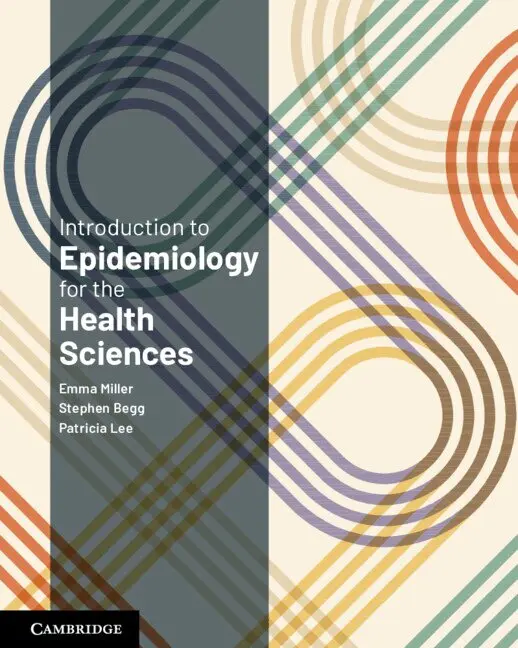
    Introduction to Epidemiology for the Health Sciences

    AvEmma Miller,Stephen Begg

    Häftad, Engelska, 2025

    620 kr

    Beställningsvara. Skickas inom 10-15 vardagar. Fri frakt över 249 kr.

    Beskrivning

    Dispelling the myth that the discipline is intimidating, Introduction to Epidemiology for the Health Sciences is approachable from start to finish, providing foundational knowledge for students new to epidemiology. Its focus on critical thinking allows readers to become competent consumers of health literature, equipping them with skills that transfer to various health sciences and other professional workplaces. The text is structured to take the reader on a journey: each chapter opens with a scientific question before exploring the epidemiological tools available to address it. A conversation tool with representative students clarifies common points of confusion in the classroom, encouraging learners to ask questions to deepen their understanding. Example boxes feature contemporary local and global cases, often with step-by-step workings, while explanation boxes provide further clarification of complex topics. Authored by epidemiology and public health educators, this engaging textbook provides all readers with the skills they need to develop their own epidemiology toolkit.

    Produktinformation

    • Utgivningsdatum:2025-04-24
    • Mått:202 x 255 x 25 mm
    • Vikt:915 g
    • Format:Häftad
    • Språk:Engelska
    • Antal sidor:430
    • Förlag:Cambridge University Press
    • ISBN:9781009522366

    Utforska kategorier

    • Epidemiologi och medicinsk statistik inom Medicin

    Mer om författaren

    Emma Miller is an epidemiologist with particular expertise in hepatitis C, sexually transmissible infections (STI), and substance use. She has extensive experience in the surveillance of communicable diseases and a long history of research in this area. Other streams of research interest include alcohol consumption and its links with cancer, and STI and associated risk behaviours. In various government and academic roles, including in the state surveillance of influenza in Victoria and STI and blood borne viruses in South Australia, she has worked extensively with priority populations primarily affected by substance use issues, including prisoners in the South Australian correctional system. The primary focus of her teaching has been in research methods and epidemiology at both undergraduate and postgraduate level at multiple institutions. She has held academic posts at Deakin University, La Trobe University, Flinders University and The University of Adelaide where she is currently an adjunct Associate Professor within the Stretton Institute and continues. Stephen Begg is a recognised authority in burden of disease analysis, having played a pivotal role in establishing and advancing this field in Australia since the mid-1990s. With a Ph.D. in population health assessment and over 30 years of experience in teaching, research, and international consultancy, Stephen's expertise has been recognised globally through positions at Harvard University and the World Health Organization. His career spans a range of leadership roles across the public sector and academia. As a passionate educator, Stephen is dedicated to mentoring future health sector leaders, emphasising the role of epidemiology in addressing contemporary health system challenges. Patricia Lee is an associate professor specialising in epidemiology and public health. With expertise in biostatistics and mixed methods research, Patricia has had the opportunity to work with various research teams in collaboration with government agencies and communities on public health/health promotion projects. She has contributed to many funded research projects and established partnerships with several international researchers in Taiwan, China and Vietnam. Her research interests include health risk modelling, infectious disease surveillance, climate change and health, and health promotion among disadvantaged populations. One of her major academic roles is the Epidemiology Subject Lead within the Public Health Discipline, Griffith University, leading the epidemiology curriculum development in different Degree Programs (undergraduate and postgraduate Programs). Being recognised as an accomplished senior epidemiologist, Patricia has been invited to contribute to epidemiology-related chapters in several public health textbooks.

    Innehållsförteckning

    • Part I. Thinking Like an Epidemiologist: 1. Thinking critically, problem solving and setting priorities in epidemiology; Part II. Analysing: How Big is the Health Issue?: 2. Talking like an epidemiologist; 3. Making comparisons; Part III. Reasoning: How to Investigate Causes of Death and Ill-health: 4. Opening the epidemiological toolbox; 5. Describing the problem; Part IV. Problem-solving: Why Do Some People Get a Disease, Become Ill, or Get Better?: 6. Measuring exposure and the outcome together; 7. Starting with the outcome; 8. Starting with exposure; 9. Controlling exposure; Part V. Evaluating: Is There a Relationship between Exposure and the Outcome?: 10. Detecting a relationship; Part VI. Decision-making: Could the Relationship be True?: 11. Considering the effect of bias and confounding; 12. Bringing it together.