• Fri frakt över 249 kr
  • •
  • Snabba leveranser
  • •
  • Billiga böcker
Kundservice

Du är på sajten för privatpersoner.

Företag, bibliotek eller offentlig verksamhet?

Du handlar på classic.bokus.com, där alla dina funktioner finns intakta.
Till classic.bokus.com
Bokus logotyp. Gå till startsidan.
  • Erbjudanden
  • Nyheter
  • Student
  • Topplistor
  • Barn & ungdom
  • Bokus Play
  • E-böcker
  • Pocketböcker
  • Spel & pussel

10% studentrabatt med kod TERM26

Sidfot

Mina sidor

    Hjälp

    • Kundservice
    • Vanliga frågor och svar
    • Frakt och leverans
    • Retur vid ångerrätt
    • Reklamera vara
    • Betalning
    • Köpvillkor
    • Allmänna villkor
    • Information om webbplatsens tillgänglighet

    Om Bokus

    • Om oss
    • Pressrum
    • För studenter
    • För företag
    • För bibliotek och offentlig verksamhet
    • För leverantörer
    • Hållbarhet

    Populärt

    • Aktuella erbjudanden
    • Presentkort
    • Studentlitteratur
    • Nya böcker
    • Topplistor
    • Signerade böcker
    • Engelska böcker

    Inspiration

    • Boktips
    • BookTok
    • Populära bokserier
    • Barnbokskaraktärer
    • Populära författare
    Logotyp för Bokus
    Följ oss på Facebook (extern länk)Följ oss på Instagram (extern länk)Följ oss på YouTube (extern länk)Följ oss på TikTok (extern länk)
    bokus @ CookiesAnpassa cookiesIntegritetspolicyKöpvillkor
    Till Citymail hemsida (extern länk)Till Budbee hemsida (extern länk)Till Postnord hemsida (extern länk)Till Schenker hemsida (extern länk)Till Early Bird hemsida (extern länk)Till Walleys hemsida (extern länk)
    1. Samhälle och politik
    2. Samhälle och kultur
    3. Kultur och medier
    4. Kulturvetenskap

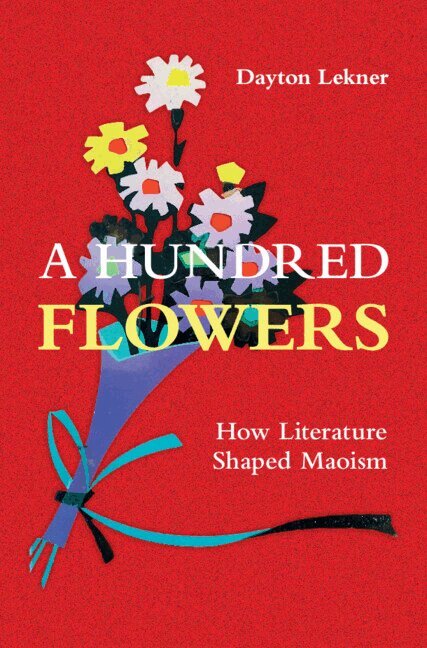
    A Hundred Flowers

    How Literature Shaped Maoism

    AvDayton Lekner

    Inbunden, Engelska, 2026

    Del i serien Cambridge Studies in the History of the People's Republic of China

    1 473 kr

    Beställningsvara. Skickas inom 10-15 vardagar. Fri frakt över 249 kr.

    Fler format och utgåvor

    Häftad

    502 kr

    Beskrivning

    In 1957, Shanghai journalism student Xu Chengmiao faced persecution for a poem about flowers. Why did his classmates, teachers, and eventually the full force of the Party-state react so intensely to Xu's floral poetry? What connection did his writing have to the flowers that had adorned Chinese literature, art, reportage, and fashion since 1954? In this captivating book, Dayton Lekner tells the story of the Hundred Flowers, from its early blooms to its transformation into the Anti-Rightist campaign. Through the work and lives of creative writers, he shows that the literary circulation and practices that had long characterized China not only survived under Maoism but animated political and social movements. Texts 'went viral,' writers rose and fell, and metaphors mattered. Exploring the dynamism, nuance, and legion authors of 'official discourse,' he relocates creative writing not in tension with Mao era politics but as a central medium of the revolution.

    Produktinformation

    • Utgivningsdatum:2026-01-08
    • Mått:157 x 235 x 20 mm
    • Vikt:570 g
    • Format:Inbunden
    • Språk:Engelska
    • Serie:Cambridge Studies in the History of the People's Republic of China
    • Antal sidor:282
    • Förlag:Cambridge University Press
    • ISBN:9781009600538

    Utforska kategorier

    • Kulturvetenskap inom Samhälle och politik
    • Asiens historia inom Historia och arkeologi
    • Litteraturvetenskap inom Skönlitteratur

    Mer om författaren

    Dayton Lekner is a historian of twentieth-century China.

    Recensioner i media

    'Like his subjects – the Chinese writers whose metaphors fuelled the Hundred Flowers movement of the 1950s – Dayton Lekner has a way with words. Writing with laugh-out-loud wit, Lekner reveals a complex literary ecosystem full of bravery, treachery, uncertainty, and, above all, a dynamic interplay of ideas and personalities.' Jeremy Brown, author of June Fourth

    Innehållsförteckning

    • Acknowledgements;  Prologue; Buds introduction; Part I. Flowers: 1. Who wrote the campaign?; 2. Mao Zedong, Guo Moruo, and Sino-Soviet propagation; 3. Springtime for Mao: Ai Qing, Zhou Shoujuan, and the writing of a season; 4. Community Gardens: movement and meaning among the flora; Part II. Weeds: 5. Grass: Biodiversity and reactions to the hundred flowers; 6. Thorns: botanical imagery as critique; 7. Early Spring: Fei Xiaotong and climate control; Part III. Weather: 8. Amateur Meteorology: the two rivers of Sichuan and an absence of rain; 9. Late Spring: Centre-Provincial Climatology and attempts to change the weather; Part IV. Seeds: 10. What gets left behind: history, memory and Image; 11. Who gets left behind: Wu Mi and the split life of a poet; Conclusion: campaign, literary, and historical time; Bibliography.