• Fri frakt över 249 kr
  • •
  • Snabba leveranser
  • •
  • Billiga böcker
Kundservice

Du är på sajten för privatpersoner.

Företag, bibliotek eller offentlig verksamhet?

Du handlar på classic.bokus.com, där alla dina funktioner finns intakta.
Till classic.bokus.com
Bokus logotyp. Gå till startsidan.
  • Erbjudanden
  • Nyheter
  • Student
  • Topplistor
  • Barn & ungdom
  • Bokus Play
  • E-böcker
  • Pocketböcker
  • Spel & pussel

10% studentrabatt med kod TERM26

Sidfot

Mina sidor

    Hjälp

    • Kundservice
    • Vanliga frågor och svar
    • Frakt och leverans
    • Retur vid ångerrätt
    • Reklamera vara
    • Betalning
    • Köpvillkor
    • Allmänna villkor
    • Information om webbplatsens tillgänglighet

    Om Bokus

    • Om oss
    • Pressrum
    • För studenter
    • För företag
    • För bibliotek och offentlig verksamhet
    • För leverantörer
    • Hållbarhet

    Populärt

    • Aktuella erbjudanden
    • Presentkort
    • Studentlitteratur
    • Nya böcker
    • Topplistor
    • Signerade böcker
    • Engelska böcker

    Inspiration

    • Boktips
    • BookTok
    • Populära bokserier
    • Barnbokskaraktärer
    • Populära författare
    Logotyp för Bokus
    Följ oss på Facebook (extern länk)Följ oss på Instagram (extern länk)Följ oss på YouTube (extern länk)Följ oss på TikTok (extern länk)
    bokus @ CookiesAnpassa cookiesIntegritetspolicyKöpvillkor
    Till Citymail hemsida (extern länk)Till Budbee hemsida (extern länk)Till Postnord hemsida (extern länk)Till Schenker hemsida (extern länk)Till Early Bird hemsida (extern länk)Till Walleys hemsida (extern länk)
    1. Samhälle och politik
    2. Samhälle och kultur
    3. Kultur och medier
    4. Referensverk och tvärvetenskap

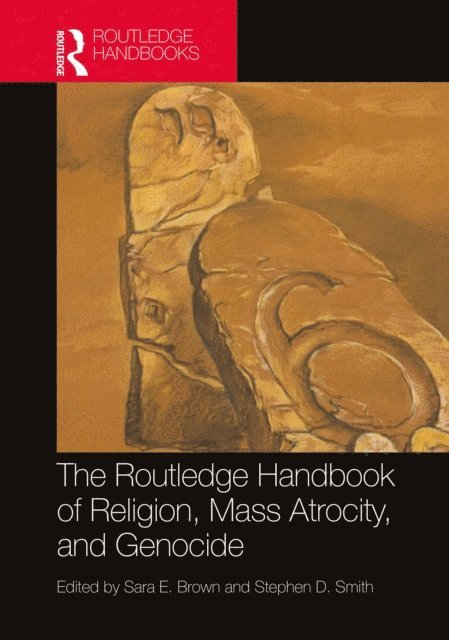
    Routledge Handbook of Religion, Mass Atrocity, and Genocide

    AvSara E. Brown,Stephen D. Smith

    Häftad, Engelska, 2024

    Del i serien Routledge Handbooks in Religion

    698 kr

    Beställningsvara. Skickas inom 10-15 vardagar. Fri frakt över 249 kr.

    Beskrivning

    The Routledge Handbook of Religion, Mass Atrocity, and Genocide explores the many and sometimes complicated ways in which religion, faith, doctrine, and practice intersect in societies where mass atrocity and genocide occur.This volume is intended as an entry point to questions about mass atrocity and genocide that are asked by and of people of faith and is an outstanding reference source to the key topics, historical events, and heated debates in this subject area. The 39 contributions to the handbook, by a team of international contributors, span five continents and cover four millennia. Each explores the intersection of religion, faith, and mainly state-sponsored mass atrocity and genocide, and draws from a variety of disciplines.This volume is divided into six core sections:Genocide in Antiquity and Holy WarsThe Genocide of Indigenous PeoplesReligion and the StateThe Role of Religion during GenocidePost Genocide ConsiderationsMemory CultureWithin these sections central issues, historical events, debates, and problems are examined, including the Crusades; Jihad and ISIS, colonialism, the Holocaust, desecration of ritual objects, politics of religion, Shinto nationalism, attacks on Rohingya Muslims; the Genocide against the Tutsi in Rwanda, responses to genocide; gender-based atrocities, ritualcide in Cambodia, burial sites and mass graves, transitional justice, forgiveness, documenting genocide, survivor memory narratives, post-conflict healing and memorialization.The Routledge Handbook of Religion and Genocide is essential reading for students and researchers with an interest in religion and genocide, religion and violence, and religion and politics. It will be of great interest to students of theology, philosophy, genocide studies, narrative studies, history, and international relations and those in related fields, such as cultural studies, area studies, sociology, and anthropology.

    Produktinformation

    • Utgivningsdatum:2024-01-29
    • Mått:174 x 246 x 30 mm
    • Vikt:1 240 g
    • Format:Häftad
    • Språk:Engelska
    • Serie:Routledge Handbooks in Religion
    • Antal sidor:480
    • Förlag:Taylor & Francis Ltd
    • ISBN:9781032122748

    Utforska kategorier

    • Referensverk och tvärvetenskap inom Samhälle och politik
    • Andra världskriget inom Historia och arkeologi
    • Religion: allmänt inom Filosofi och religion

    Mer om författaren

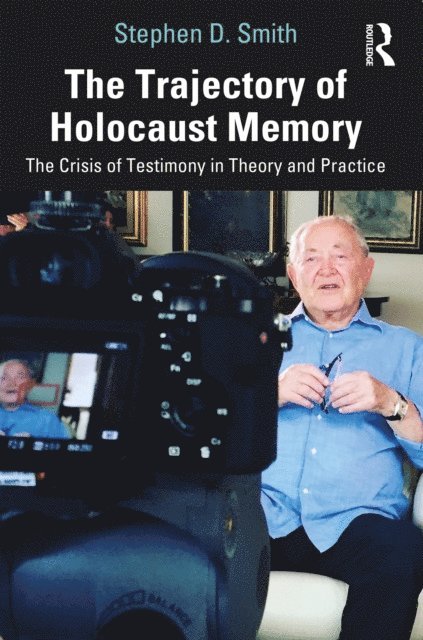
    Sara E. Brown is the Executive Director of the Center for Holocaust, Human Rights & Genocide Education and served for four years on the Advisory Board for the International Association of Genocide Scholars. She is the author of Gender and the Genocide in Rwanda: Women as Perpetrators and Rescuers (2019).Stephen D. Smith is the Finci-Viterbi Executive Director of USC Shoah Foundation, Adjunct Professor of Religion, and UNESCO Chair on Genocide Education at the University of Southern California. He is the author of The Holocaust and the Christian World (2019), The Trajectory of Holocaust Memory (Routledge, forthcoming), and Holocaust XR (Routledge, forthcoming).

    Innehållsförteckning

    • Section 1: Genocide in Antiquity and Holy Wars 1. Genocide in Antiquity 2. The Roots of Antisemitism and Genocide in Christian Antiquity 3. Esau and Amalek in the Hebrew Bible and in Second Temple Jewish Apocalyptic Literature: From Propaganda to Genocide 4. Holy Wars, Judaism, Violence, and Genocide: An Unholy Quadrinity? 5. The Last Crusade: Holy War and Genocidal Practices in the Case of the Spanish Civil War (1936–1939) 6. Alawite Warrior-Sheikhs: Ali Khizam and the Specter of Sectarian Violence in Syria Section 2: The Genocide of Indigenous Peoples 7. Renewing the World: Disrupting Settler-Colonial Destruction 8. Colonial New England: Genocide and the Negative Myth of the Other 9. The Religious Challenges of Linking Holocaust Memory with Colonial Violence 10. Sexual Violence as Genocide against Indigenous Peoples: the Case of Mayan Women in Guatemala Section 3: Religion and the State 11. Religion: A Driving Force But not a Major Cause of the Turkish Genocide of Armenians 12. The Christian Churches, the Nazi State, and the Holocaust 13. Religion and the 1994 Genocide against the Tutsi in Rwanda 14. The "Nature of Death" in the 1947 India-Pakistan Partition Genocide 15. Ritualcide Under the Khmer Rouge in Cambodia: Animism, Genocide and War Crimes 16. Race, Religion, and the Genocide of the Jews in Nazi Germany 17. Catholicism and State Terror in Argentina 18. Religious Communities as Targets of the Khmer Rouge Genocide 19. Dangerous Speech Cloaked in Saffron Robes: Race, Religion, and Anti-Muslim Violence in Myanmar 20. The Uyghur People: History Geography, Religion, Language Section 4: The Role of Religion During Genocide 21. Religion, Resistance, and Responding to Genocide: The Cham in Cambodia 22. Sinners or Saviors: A Personal Perspective on Surviving the Holocaust 23. Rwanda 1994: The Creation of Religious Identities in Genocide Propaganda 24. Faith and Women Rescuers in Rwanda 25. Jehovah’s Witnesses as ‘Citizens of the Kingdom of God’ 26. Music, Religion, and Genocide Section 5: Post Genocide Considerations 27. "For Dust Thou Art, and Unto Dust Shalt Thou Return": Jewish Law, Forensic Investigation, and Archaeology in the Aftermath of the Holocaust 28. Forensics and Maya Ceremonies: The Long Journey for Truth in Guatemala 29. Reforming the Church’s Theology of the Jews: Christian Responses to the Holocaust 30. Mozambique: Religious Practices and Post-conflict Processes 31. Iraq and the Halabja ‘Genocide’: The need for Transformative Justice 32. Personal Philosophies of Forgiveness after Genocide 33. Genocide and the Human Right to Freedom of Religion 34. Survival: The Case of Yezidi Women 35. An Assessment of the United Nations Plan of Action for Religious Leaders and Actors to Prevent Incitement to Violence that Could Lead to Atrocity Crimes Section 6: Memory Culture 36. The Power of One: Narrative Analysis and an Iranian Jewish Shoah Survivor 37. Beyond Competitive Memory: The Preeminence of the Holocaust in Religious Studies 38. Muslim and Christian Perspectives on the Holocaust and Genocide 39. Analyzing Holocaust Archives Through a Quantitative Lens Epilogue: What we know and what we still need to know