• Fri frakt över 249 kr
  • •
  • Snabba leveranser
  • •
  • Billiga böcker
Kundservice

Du är på sajten för privatpersoner.

Företag, bibliotek eller offentlig verksamhet?

Du handlar på classic.bokus.com, där alla dina funktioner finns intakta.
Till classic.bokus.com
Bokus logotyp. Gå till startsidan.
  • Erbjudanden
  • Nyheter
  • Student
  • Topplistor
  • Barn & ungdom
  • Bokus Play
  • E-böcker
  • Pocketböcker
  • Spel & pussel

10% rabatt på allt med kod: NYSTART10 →

Sidfot

Mina sidor

    Hjälp

    • Kundservice
    • Vanliga frågor och svar
    • Frakt och leverans
    • Retur vid ångerrätt
    • Reklamera vara
    • Betalning
    • Köpvillkor
    • Allmänna villkor
    • Information om webbplatsens tillgänglighet

    Om Bokus

    • Om oss
    • Pressrum
    • För studenter
    • För företag
    • För bibliotek och offentlig verksamhet
    • För leverantörer
    • Hållbarhet

    Populärt

    • Aktuella erbjudanden
    • Presentkort
    • Studentlitteratur
    • Nya böcker
    • Topplistor
    • Signerade böcker
    • Engelska böcker

    Inspiration

    • Boktips
    • BookTok
    • Populära bokserier
    • Barnbokskaraktärer
    • Populära författare
    Logotyp för Bokus
    Följ oss på Facebook (extern länk)Följ oss på Instagram (extern länk)Följ oss på YouTube (extern länk)Följ oss på TikTok (extern länk)
    bokus @ CookiesAnpassa cookiesIntegritetspolicyKöpvillkor
    Till Citymail hemsida (extern länk)Till Budbee hemsida (extern länk)Till Postnord hemsida (extern länk)Till Schenker hemsida (extern länk)Till Early Bird hemsida (extern länk)Till Walleys hemsida (extern länk)
    1. Samhälle och politik
    2. Samhälle och kultur
    3. Kultur och medier
    4. Referensverk och tvärvetenskap

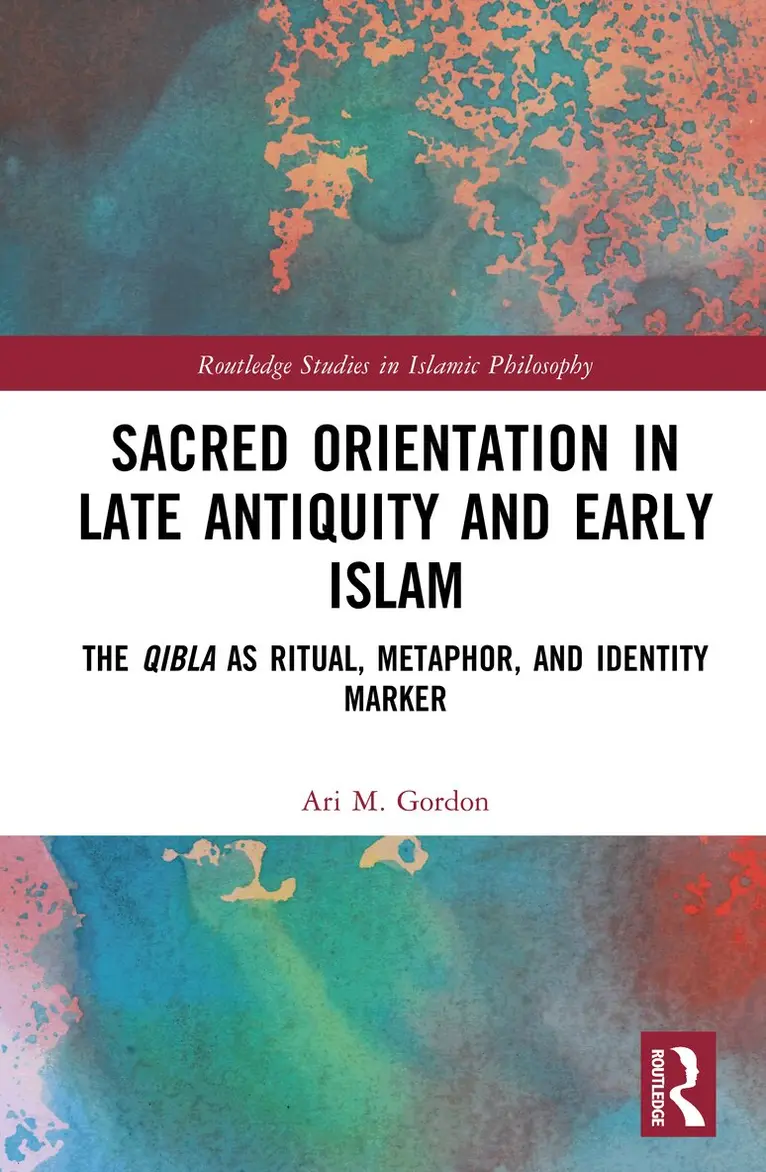
    Sacred Orientation in Late Antiquity and Early Islam

    The Qibla as Ritual, Metaphor, and Identity Marker

    AvAri M. Gordon

    Inbunden, Engelska, 2025

    Del i serien Routledge Studies in Islamic Philosophy

    2 421 kr

    Beställningsvara. Skickas inom 10-15 vardagar. Fri frakt över 249 kr.

    Fler format och utgåvor

    E-bok

    807 kr

    E-bok

    807 kr

    Beskrivning

    Sacred Orientation in Late Antiquity and Early Islam: The Qibla as Ritual, Metaphor, and Identity Marker offers a groundbreaking study of how the qibla—Islam’s ritual direction of prayer—served not only as a sacred practice but also as a powerful marker of communal identity in Islam’s formative centuries.Situating the qibla within the wider ritual culture of Late Antiquity, this book examines how sacred orientation shaped the evolving boundaries of religious belonging across the early Islamic world. It traces how the Qurʾān’s treatment of prayer direction emerged within a shared ritual discourse with Judaism and Christianity, and how the qibla became an embodied metaphor for inclusion and unity within an increasingly diverse Muslim community. The volume also explores interreligious polemics, legal and theological debates, and the symbolic significance of mosque architecture, maps, and scientific instruments, portraying the qibla as a dynamic vehicle for both religious expression and communal cohesion. From medieval controversies to contemporary technologies, Sacred Orientation argues that the qibla remains an “inexhaustible” ritual symbol— constantly evolving, yet deeply rooted in the construction and performance of Islamic identity.Essential reading for scholars of Islamic studies, religious studies, ritual theory, and Late Antiquity, this book offers a fresh and richly contextualized perspective on one of Islam’s most enduring and meaningful practices.

    Produktinformation

    • Utgivningsdatum:2025-12-29
    • Mått:156 x 234 x 20 mm
    • Vikt:670 g
    • Format:Inbunden
    • Språk:Engelska
    • Serie:Routledge Studies in Islamic Philosophy
    • Antal sidor:264
    • Förlag:Taylor & Francis Ltd
    • ISBN:9781032135083

    Utforska kategorier

    • Referensverk och tvärvetenskap inom Samhälle och politik
    • Religion: allmänt inom Filosofi och religion
    • Koranen inom Filosofi och religion

    Mer om författaren

    Ari M. Gordon serves as Director of Muslim-Jewish Relations for the American Jewish Committee, fostering partnerships between communities on shared concerns while facilitating productive dialogue on differences. A Philadelphia native and master teacher, Gordon lectures extensively on Judaism, interreligious history, and religion and global affairs in academic, Jewish, and multifaith settings. He holds degrees from Yeshiva University (BA), Harvard Divinity School (MTS), and completed his doctoral work in Islamic Studies at the University of Pennsylvania, where he researched interreligious relations and sacred geography in Islam’s formative period.

    Innehållsförteckning

    • Table of ContentsAcknowledgementsNote on TransliterationAbbreviationsIntroductionDefining the Qibla The Qibla as MetaphorRitual PerformanceSacred GeographyInterrreligious EncounterHow to Read this Book1. “Each has a Direction to which They Turn”: Sacred Orientation in the Qurʾān and Religions of Late AntiquityLate Antique Background: LensesRabbinic JudaismEarly ChristianityOther Religious Cultures of Late AntiquityIslam and the QurʾānConclusion2. Becoming the "People of the Qibla": How an Unusual Phrase Created an Islamic “Big Tent” Sinners Among the Ahl al-Qibla: The Mechanics of the Term as Used in TafsīrAhl al-Qibla in Sunni Creeds Ahl al-Qibla in Some Shiʿi WritingsImplications of Inclusion Among the Ahl al-Qibla The Origins of the People of the QiblaAhl al-Qibla in Heresiographical Descriptions of Khārijites and MurjiʾitesAhl al-Qibla in Ummayad-Era Revolts as Seen in Historiographic LiteratureAhl al-Qibla in the Teachings of Umayyad-Era TraditionistsLate First-/ Early Eighth-Century Theological Texts Using Ahl al-QiblaConclusion3. Does God’s Mind Change? The Qibla in Tenth-Century Interreligious PolemicsDid the Jews Change their Qibla? The Qibla as a Symbol of Naskh in Early Islamic LiteratureThe Qibla as a Symbol in Medieval Islamicate Christian LiteratureRevisiting Three Jewish Authors on the Qibla4. A New Direction in Qibla Studies: Reconsidering Alignment and “Misalignment” of Early Mosques in Light of IdentityIdentityIdentity as ImaginedIdentity as a ProcessIdentity as InexhaustibleSacred Geography and Identity in Early IslamEarly Mosque Orientations: The Hermeneutics of Architecture and IdentityThe Inexhaustible Qibla: A Kind of ConclusionBibliographyIndex