• Fri frakt över 249 kr
  • •
  • Snabba leveranser
  • •
  • Billiga böcker
Kundservice

Du är på sajten för privatpersoner.

Företag, bibliotek eller offentlig verksamhet?

Du handlar på classic.bokus.com, där alla dina funktioner finns intakta.
Till classic.bokus.com
Bokus logotyp. Gå till startsidan.
  • Erbjudanden
  • Nyheter
  • Student
  • Topplistor
  • Barn & ungdom
  • Bokus Play
  • E-böcker
  • Pocketböcker
  • Spel & pussel

10% rabatt på allt med kod: NYSTART10 →

Sidfot

Mina sidor

    Hjälp

    • Kundservice
    • Vanliga frågor och svar
    • Frakt och leverans
    • Retur vid ångerrätt
    • Reklamera vara
    • Betalning
    • Köpvillkor
    • Allmänna villkor
    • Information om webbplatsens tillgänglighet

    Om Bokus

    • Om oss
    • Pressrum
    • För studenter
    • För företag
    • För bibliotek och offentlig verksamhet
    • För leverantörer
    • Hållbarhet

    Populärt

    • Aktuella erbjudanden
    • Presentkort
    • Studentlitteratur
    • Nya böcker
    • Topplistor
    • Signerade böcker
    • Engelska böcker

    Inspiration

    • Boktips
    • BookTok
    • Populära bokserier
    • Barnbokskaraktärer
    • Populära författare
    Logotyp för Bokus
    Följ oss på Facebook (extern länk)Följ oss på Instagram (extern länk)Följ oss på YouTube (extern länk)Följ oss på TikTok (extern länk)
    bokus @ CookiesAnpassa cookiesIntegritetspolicyKöpvillkor
    Till Citymail hemsida (extern länk)Till Budbee hemsida (extern länk)Till Postnord hemsida (extern länk)Till Schenker hemsida (extern länk)Till Early Bird hemsida (extern länk)Till Walleys hemsida (extern länk)
    1. Psykologi och pedagogik
    2. Pedagogik
    3. Utbildningsstrategier och utbildningspolitik

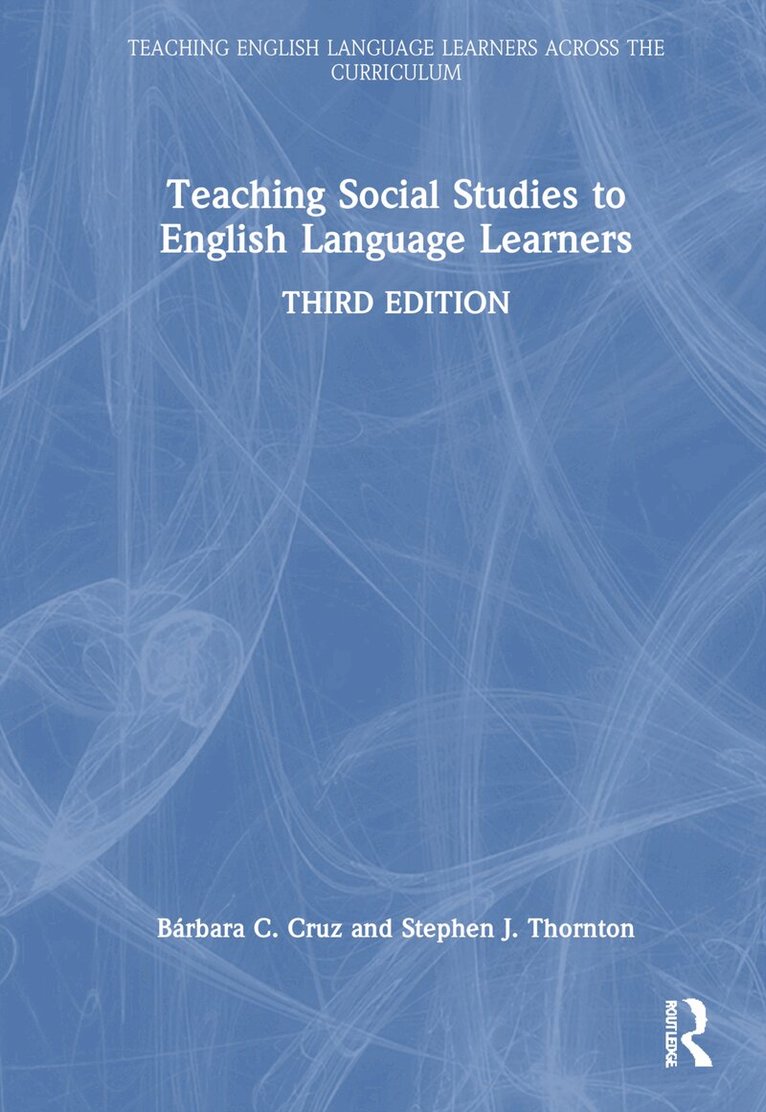
    Teaching Social Studies to English Language Learners

    AvBárbara C. Cruz,Stephen J. Thornton

    Inbunden, Engelska, 2024

    Del i serien Teaching English Language Learners across the Curriculum

    2 355 kr

    Beställningsvara. Skickas inom 10-15 vardagar. Fri frakt över 249 kr.

    Fler format och utgåvor

    Häftad

    593 kr

    Inbunden

    Tillf. slut

    Häftad

    Tillf. slut

    Beskrivning

    This fully updated new edition provides readers with a comprehensive understanding of the challenges that English language learners (ELLs), also known as English Learners (ELs), face, as well as the ways in which educators might address them in the social studies classroom.The authors offer context-specific strategies for the full range of the social studies curriculum, including geography, U.S. history, world history, economics, and government. These practical instructional strategies will effectively engage learners and can be incorporated as a regular part of instruction in any classroom. Features of this fully updated new edition include:· An updated and streamlined introduction, which provides an essential overview of ELL theory in a social studies-specific context;· "Teaching Tips" that offer helpful suggestions and ideas for creating and modifying lesson plans to be inclusive of English Learners;· Practical examples and pedagogical elements in Part 3, which include more visuals, suggestions for harnessing new technologies, discussion questions, and reflection points; and· Useful lists of online and print resources for teachers and students.Teaching Social Studies to English Language Learners is a valuable reference to help pre- and in-service social studies educators meet the challenges of including all learners in effective instruction.

    Produktinformation

    • Utgivningsdatum:2024-11-13
    • Mått:178 x 254 x 20 mm
    • Vikt:620 g
    • Format:Inbunden
    • Språk:Engelska
    • Serie:Teaching English Language Learners across the Curriculum
    • Antal sidor:264
    • Upplaga:3
    • Förlag:Taylor & Francis Ltd
    • ISBN:9781032542508

    Utforska kategorier

    • Utbildningsstrategier och utbildningspolitik inom Psykologi och pedagogik
    • Skolan och förskolan inom Psykologi och pedagogik
    • Språkvetenskap och lingvistik inom Språk och ordböcker

    Mer om författaren

    Bárbara C. Cruz is Professor of Social Science Education at the University of South Florida, USA.Stephen J. Thornton is Emeritus Professor of Social Science Education at the University of South Florida, USA.

    Recensioner i media

    “I do not believe there are similar works to this text in book form. You can find ELL texts that can be applied to SS, but there is nothing that I have run across that supports ELLs in SS. I also think this is an excellent text for helping think about differentiation for all learners.”— Alexander Butler, Assistant Professor at Bowling Green State University, Ohio, USA“I would unequivocally recommend this book for future teachers and even current teachers.”— Natalie Young, Assistant Professor of Early Childhood Education, Northern Illinois University, USA

    Innehållsförteckning

    • List of FiguresList of TablesAcknowledgementsIntroductionPART I — English Learners 1.1 — OrientationKey Judicial Decisions . . . . . . . . . . . . . . . . . . . . . . . . . . . . . . . . . . . . . . . . . . . . . . . . . . . . . . . . . The Rise of Mainstreaming . . . . . . . . . . . . . . . . . . . . . . . . . . . . . . . . . . . . . . . . . . . . . . . . . . . . . .1.2 — Not All ELs and Families Are the SameStages of Cultural Adjustment . . . . . . . . . . . . . . . . . . . . . . . . . . . . . . . . . . . . . . . . . . . . . . . . . . . . Cultural Practices at School . . . . . . . . . . . . . . . . . . . . . . . . . . . . . . . . . . . . . . . . . . . . . . . . . . . . . .Effective Home–School Communication . . . . . . . . . . . . . . . . . . . . . . . . . . . . . . . . . . . . . . . . . . .Ideas: On Fostering Access . . . . . . . . . . . . . . . . . . . . . . . . . . . . . . . . . . . . . . . . . . . . . . . . . . . . . . . Ideas: On Fostering Approachability . . . . . . . . . . . . . . . . . . . . . . . . . . . . . . . . . . . . . . . . . . . . . . . Ideas: On Achieving Good Follow-Through . . . . . . . . . . . . . . . . . . . . . . . . . . . . . . . . . . . . . . . . Summary1.3. — English Learners with ExceptionalitiesPedagogic and Programmatic ModelsTeacher Approaches. . . . . . . . . . . . . . . . . . . . . . . . . . . . . . . . . . . . . . . . . . . . . . . . . . .Gifted EL Students. . . . . . . . . . . . . . . . . . . . . . . . . . . . . . . . . . . . . . . . . . . . . . . . . . . . . . . . . . . . .1.4 — The Process of English Language Learning in the Social Studies Classroom and What to ExpectIntroductionStages of Language DevelopmentPrinciples for Creating Effective Language Learning EnvironmentsConstructing a Curriculum with Language Needs in Mind. . . . . . . . . . . . . . . . . . . . . . . . . . . . . Language Learning in the Social Studies Classroom. . . . . . . . . . . . . . . . . . . . . . . . . . . . . . . . . . . .Conclusion. . . . . . . . . . . . . . . . . . . . . . . . . .PART II — Social Studies Teaching and Learning2.1 — Principles of Social Studies Teaching and LearningElements of an Instructional Program. . . . . . . . . . . . . . . . . . . . . . .Social Studies and the Common Core Standards . . . . . . . . . . . . . . . . . . . . . . . . . . . . . . . . . . . . . . .Study Skills. . . . . . . . . . . . . . . . . . . . . . . . . . . . . . . . . . . . . . . . . . . . . . . . . . . . . . . . . . . . . . . .Intellectual Skills . . . . . . . . . . . . . . . . . . . . . . . . . . . . . . . . . . . . . . . . . . . . . . . . . . . . . . . . . . . . . . .Conclusion2.2 — Social Studies-Focused EL ScholarshipThe Classroom Environment . . . . . . . . . . . . . . . . . . . . . . . . . . . . . . . . . . . . . . . . . . . . . . . . . . . . . .Content-Centered Language Instruction . . . . . . . . . . . . . . . . . . . . . . . . . . . . . . . . . . . . . . . . . . . . . .Best Language Practice in Social Studies Instruction . . . . . . . . . . . . . . . . . . . . . . . . . . . . . . . . . . . .Discussion and Questioning . . . . . . . . . . . . . . . . . . . . . . . . . . . . . . . . . . . . . . . . . . . . . . . . . . . . . Discovery and Exploration . . . . . . . . . . . . . . . . . . . . . . . . . . . . . . . . . . . . . . . . . . . . . . . . . . . . . Language Use . . . . . . . . . . . . . . . . . . . . . . . . . . . . . . . . . . . . . . . . . . . . . . . . . . . . . . . . . . . . . . . . . .Sheltered Instruction . . . . . . . . . . . . . . . . . . . . . . . . . . . . . . . . . . . . . . . . . . . . . . . . . . . . . . . . . . . Individualized and Differentiated Instruction. . . . . . . . . . . . . . . . . . . . . . . . . . . . . . . . . . . . . . . . . .Technology-Based Instruction and Learning . . . . . . . . . . . . . . . . . . . . . . . . . . . . . . . . . . . . . . . . . .Cooperative Learning Skills . . . . . . . . . . . . . . . . . . . . . . . . . . . . . . . . . . . . . . . . . . . . . . . . . . . . . . .Bilingual Education and Translanguaging. . . . . . . . . . . . . . . . . . . . . . . . . . . . . . . . . . . . . . . . . . . . .Culturally Responsive Pedagogy . . . . . . . . . . . . . . . . . . . . . . . . . . . . . . . . . . . . . . . . . . . . . . . . . . .The Importance of Reflective Practice . . . . . . . . . . . . . . . . . . . . . . . . . . . . . .Promising Approaches . . . . . . . . . . . . . . . . . . . . . . . . . . . . . . . . . . . . . . . Summary2.3 — Pathways for Enacting the Social Studies CurriculumTextbooks . . . . . . . . . . . . . . . . . . . . . . . . . . . . . . . . . . . . . . . . . . . . . . . . . . . . . . . . .Visual Resources . . . . . . . . . . . . . . . . . . . . . . . . . . . . . . . . . . . .Graphic Organizers. . . . . . . . . . . . . . . . . . . . . . . . . . . . . . . . . . . . . . . . . . . . . . . . . . . . Alternative “Texts” . . . . . . . . . . . . . . . . . . . . . . . . . . . . . .Demonstrations and Total Physical Response. . . . . . . . . . . . . . . . . . . . . . . . . . . . . . . . . . . . . . . . . .Role Playing and Simulations. . . . . . . . . . . . . . . . . . . . . . . . . . . . . . . . . . . . . . . . . . . . . . . . . . . . Assessment. . . . . . . . . . . . . . . . . . . . . . . . . . . . . . . . . . . . . . . . . . . . . . . . . . . . . . . . . . .Some final reminders . . . . . . . . . . . . . . . . . . . . . . . . . . . . . . . . . . . . . . .PART III — Teaching Social Studies3.1 — Introduction3.2 — GeographyLooking into Classrooms. . . . . . . . . . . . . . . . . . . . . . . . . . . . . . . . . . . . . . . . . . . . . .Introduction. . . . . . . . . . . . . . . . . . . . . . . . . . . . . . . . . . . . . . . . . . . . . .Kinesthetic Learning and Stratified Questioning: The Concept of Scale (Levels 1–4) . . . . . . . Kinesthetic Learning and Visual Aids: Africa: Physical Geography and Population Distribution (Levels 3 and 4) . . . . . . . . . . . . . . . . . . . . . . . . . . . . . . . . . . . . . . . . . . . . . . . . . . . . . K–W–L–Q–H, Visual Aids, Guided Imagery, and Stratified Questioning: Women’s Work in Southern India (Levels 2–4) . . . . . . . . . . . . . . . . . . . . . . . . . . . . . . . . . . . . . . . . . . . . . . . Discovery Exercise Using Visual Aids and Stratified Questioning: Adaptation to the Environment: Place Where Native Americans Lived (Levels 1–4) . . . . . . . . . . . . . . . . . . . . Discussion Dyads, Vocabulary Development, Map Interpretation: Sharing the Colorado River (Levels 2–4) . . . . . . . 3.3 — U.S. HistoryLooking into Classrooms . . . . . . . . . . . . .Introduction . . . . . . . . . . . . .Visual Aids, Stratified Questioning: Lewis and Clark Expedition (Levels 1–4) . . . . . . . . . . . . . Dioramas, Kinesthetic Learning, and Cooperative Learning: Lewis and Clark Activity 3: Creating a Diorama (Levels 1–4). . . . . . . . . . . . . . . . . . . . . . . . . . . . . . . . .Political Cartoon, Critical Analysis, Questioning and Discussion: Immigration in U.S. History (Levels 1–4) . . . . . . . . . . . . .Timelines and Stratified Questioning Strategy: Woodrow Wilson (Levels 1–4) . . . . . . . . . . . Modified Text, Visual Aids, Picture Books, Stratified Questioning, and Music: Women in WWII (Levels 1–4) . . . . . . . . . . . . . . . . . . . . . . . . . . . . . . . . . . . . . . . . . . . . . . . . . . . Visual Aids, Role Playing, Guided Reading, and Stratified Questioning: Japanese Americans During WWII (Levels 1–4) . . . . . . . . . . . . . . . . . . . . . . . . . . . . . . . . . . . . . . . . . . . . Eisenhower’s Military–Industrial Complex Speech, 1961: Simplifying Text and Role Playing (Levels 3 and 4) . . . . . . . . . . . . . . . . . . . . . . . . . . . . . . . . . . . . . . . . . . . . . . . . . . . . 3.4 — World HistoryLooking into Classrooms . . . . . . . . . . . . .Introduction . . . . . . . . . . . . .Culturally Sensitive Pedagogy, Visual Aids, Stratified Questioning, and Research Skills: World Origins of Our Class (Levels 1–4) . . . . . . . . . . . . . . . . . . . . . . . . . . . . . . . . . . . . . Visual Aids, Guided Observation, Word Wall, and Stratified Questioning: The Agricultural Revolution (Levels 1 and 2). . . . . . . . . . . . . . . . . . . . . . . . . . . . . . . . . . . . . . . . . . .Realia, Word Wall, and Visual Aids: The Renaissance (Levels 1–4) . . . . . . . . . . . . . . . . . . . . .Visual Aids and Primary Source Documents: Cultural Encounter and Exploration (Levels 3 and 4) . . . . . . . . . . . . . . . . . . . . . . . . . . . . . . . . . . . . . . . . . . . . . . . . . . . . . . . . . . . . . . .Simplified Text and Concept Map: The Enlightenment (Levels 2–4) . . . . . . . . . . . . . . . . . . . . Visual Aids, Stratified Questioning, and Guided Discussion: The Industrial Revolution in Great Britain (Levels 1–4) . . . . . . . . . . . . . . . . . . . . . . . . Role Playing and Cooperative Learning: Factory Life in Twentieth Century Mexico (Levels 2–4) . . . . . . . . . . . . . . . . . . . . . . . . . . . . . . . . . . . . . . . . . . . . . . . . . . . . . . . . . . . . . . . . . .3.5 — Government and CivicsLooking into Classrooms . . . . . . . . . . . . .Introduction . . . . . . . . . . . . .Graphic Organizers and Visuals: The Duties, Responsibilities, and Rights of United States Citizens (Levels 1 and 2) . . . . . . . . . . . . . . . . . . . . . . . . . . . . . . . . . . . . . . . . . . . .Using Peer Teaching, Translanguaging, and Visual Aids: Political Cartoons (Levels 2–4) . . . . . .Teaching with Primary Sources: National Heritage Documents (Levels 2–4) . . . . . . . . . . . . . . . . .Using Bilingual Dictionaries and Graphic Organizers: Voting Rights (Levels 3 and 4). . . . . . Supporting Language Development by Simplifying Complex Text and Using Visual Aids: Women’s Suffrage (Levels 3 and 4). . . . . . . . . . . . . . . . . . . . . . . . . . . . . . . . . . . . . . . . . . . . . . . .Visual Aids and Graphic Organizers: Executive Powers (Levels 1–4) . . . . . . . . . . . . . . . . . . . .The Federal Budget: Where Should the Government's Money Go?3.6 — EconomicsLooking into Classrooms . . . . . . . . . . . . .Introduction . . . . . . . . . . . . .Simplified Text, Visuals, and Foldables: Developing Key Vocabulary (Levels 1 and 2) . . . . . . . .Visual Aids, Realia, Expressive Demonstration, and Stratified Questioning Strategy: Goods, Services, Needs, and Wants (Levels 1–4) . . . . . . . . . . . . . . . . . . . . . . . . . . . . . . . . . . . . . . . . . . . . Cooperative Learning: Setting Priorities and Making Choices: Personal Budgeting. (Levels 3 and 4) . . . . . . . .Graphic Organizers and Cooperative Learning: Consumer Credit and Debt (Levels 2–4) . . . . Visual Aids and Stratified Questioning Strategy: Advertising (Levels 1–4) . . . . . . . . . . . . . . .3.7 — Behavioral Sciences: Sociology, Anthropology, and PsychologyLooking into Classrooms . . . . . . . . . . . . .Introduction . . . . . . . . . . . . .Cooperative Learning, Drawing, and Visual Aids: Perspective Consciousness through Mental Cartography (Levels 1–4) . . . . . . . . . . . . . . .Visuals, Graphic Organizers, Artifacts, and Modified Assessment: Religions of the World (Levels 1 and 2). . . . . . . . . . . . . . . . . . . . . . . . . . . . . . . . . . . . . . . . . . . . . . . . . . . . . . . . . . . . . .Visual Aids, Realia, Object-Based Learning: Archaeological Artifacts (Levels 1 and 2). . . . . .Guided Visual Analysis, Graphic Organizers, and Cooperative Learning: Social Institutions and Elements of Culture (Levels 1-4) . . . . . . . . . . . . . . . . . . . . .Alternative Assessments: Sociology: Surveys and Opinion Polls (Levels 2-4)Visual Art, Graphic Organizer, and Effective Closure: Psychology: Identity Formation (Levels 1–4) . . . . . . . . . . . . . . . . . . . . . . . . . . . . . . . . . . . . . . . . . . . . . . . . . . . . . . . .3.8 — Social Issues in the Social Studies ClassroomLooking into Classrooms . . . . . . . . . . . . .Introduction . . . . . . . . . . . . .Cooperative Learning, Kinesthetic Activities, and Stratified Questioning Strategy: The Paper Chase (Levels 1–4) . . . . . . . . . . . . . . . . . . . . . . . . . . . . . . . . . . . . . . . . . . . . . . . . . . . .Using Technology, Audio-Visual Materials, and Cooperative Learning: Contemporary Social Issues at Home and Abroad (Levels 2–4) . . . . . . . . . . . . . . . . . . . . . . . . . . . . . . . . . . . . . . . . . . Kinesthetic Learning and Critical Thinking: Taking a Stand (Levels 2–4) . . . . . . . . . . . . . . . .Infographics, Critical thinking, and Discussion: World Population Trends (Levels 3 and 4) . . . . .Critical Visual Analysis, Student Research, and Discussion: Social Media and Hashtag Activism (Levels 1–4) . . . . . . . . . .Index