• Fri frakt över 249 kr
  • •
  • Snabba leveranser
  • •
  • Billiga böcker
Kundservice

Du är på sajten för privatpersoner.

Företag, bibliotek eller offentlig verksamhet?

Du handlar på classic.bokus.com, där alla dina funktioner finns intakta.
Till classic.bokus.com
Bokus logotyp. Gå till startsidan.
  • Erbjudanden
  • Nyheter
  • Student
  • Topplistor
  • Barn & ungdom
  • Bokus Play
  • E-böcker
  • Pocketböcker
  • Spel & pussel

10% rabatt på allt med kod: NYSTART10 →

Sidfot

Mina sidor

    Hjälp

    • Kundservice
    • Vanliga frågor och svar
    • Frakt och leverans
    • Retur vid ångerrätt
    • Reklamera vara
    • Betalning
    • Köpvillkor
    • Allmänna villkor
    • Information om webbplatsens tillgänglighet

    Om Bokus

    • Om oss
    • Pressrum
    • För studenter
    • För företag
    • För bibliotek och offentlig verksamhet
    • För leverantörer
    • Hållbarhet

    Populärt

    • Aktuella erbjudanden
    • Presentkort
    • Studentlitteratur
    • Nya böcker
    • Topplistor
    • Signerade böcker
    • Engelska böcker

    Inspiration

    • Boktips
    • BookTok
    • Populära bokserier
    • Barnbokskaraktärer
    • Populära författare
    Logotyp för Bokus
    Följ oss på Facebook (extern länk)Följ oss på Instagram (extern länk)Följ oss på YouTube (extern länk)Följ oss på TikTok (extern länk)
    bokus @ CookiesAnpassa cookiesIntegritetspolicyKöpvillkor
    Till Citymail hemsida (extern länk)Till Budbee hemsida (extern länk)Till Postnord hemsida (extern länk)Till Schenker hemsida (extern länk)Till Early Bird hemsida (extern länk)Till Walleys hemsida (extern länk)
    1. Samhälle och politik
    2. Sociologi och antropologi
    3. Antropologi

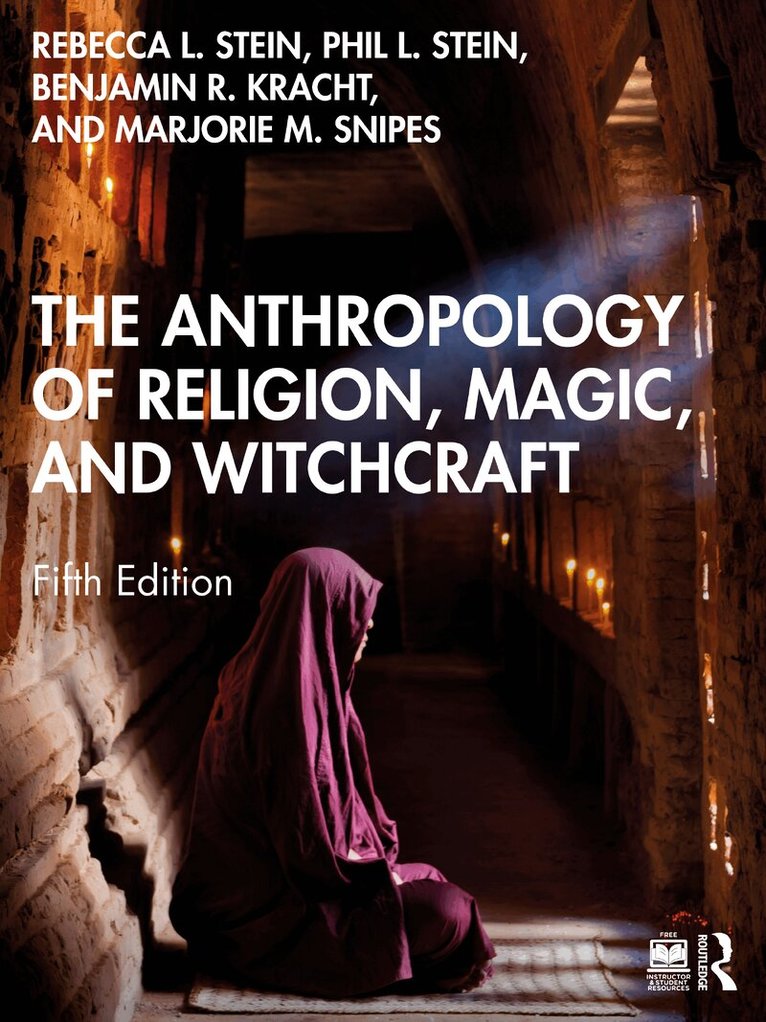
    Anthropology of Religion, Magic, and Witchcraft

    AvRebecca L. Stein,Philip L. Stein

    Häftad, Engelska, 2024

    1 186 kr

    Beställningsvara. Skickas inom 10-15 vardagar. Fri frakt över 249 kr.

    Fler format och utgåvor

    Inbunden

    2 182 kr

    Beskrivning

    This concise and accessible textbook introduces students to the anthropological study of religion. It examines religious expression from a cross-cultural perspective and exposes students to the complexities of religion in small-scale and complex societies. The chapters incorporate key theoretical concepts and a wide range of ethnographic material. The fifth edition of The Anthropology of Religion, Magic, and Witchcraft offers:• a revised introduction covering the foundations of the anthropology of religion, anthropological methods, and a push toward decolonizing the anthropology of religion,• expanded coverage of symbols, healing, wizardry, and the intersections of religion with other social institutions,• new case study material with examples drawn from around the globe, especially from Indigenous communities,• marginalia in each chapter introducing provocative small-case examples related to the chapter—many of these can be used as prompts for further research, small in-class case studies, or examples for hands-on learning,• a new chapter on religion and healing, especially useful for Anthropology programs without representation of four fields, as it provides a wider and more interdisciplinary application of the discipline,• a consistent review of foundations from chapter to chapter, linking material and enabling students to connect what they are learning throughout the course, and• further resources via a comprehensive companion website, including interactive activities, critical case studies, updated study questions, and bibliographical suggestions (including video). Available at routledgelearning.com/anthreligionmagicwitchcraft.This is an essential guide for students encountering the anthropology of religion for the first time and also for those with an ongoing interest in this fascinating field.

    Produktinformation

    • Utgivningsdatum:2024-07-16
    • Mått:210 x 280 x 22 mm
    • Vikt:1 120 g
    • Format:Häftad
    • Språk:Engelska
    • Antal sidor:388
    • Upplaga:5
    • Förlag:Taylor & Francis Ltd
    • ISBN:9781032572994

    Utforska kategorier

    • Antropologi inom Samhälle och politik
    • Alternativa trosföreställningar inom Filosofi och religion
    • Religion: allmänt inom Filosofi och religion

    Mer om författaren

    Rebecca L. Stein is Professor of Anthropology and Department Chair at Los Angeles Valley College, USA. Philip L. Stein is Professor of Anthropology (Emeritus) at Los Angeles Pierce College, USA. He is a fellow of the American Anthropological Association and a past president of the Society for Anthropology in Community Colleges. Benjamin R. Kracht is Professor of Anthropology (Emeritus) at Northeastern State University in Tahlequah, Oklahoma. He is the author of Kiowa Belief and Ritual (2017), Religious Revitalization among the Kiowas: The Ghost Dance, Peyote, and Christianity (2018), and other books. Kracht has worked with the Kiowas for over 40 years and, more recently, has conducted fieldwork in Belize and New Mexico. Marjorie M. Snipes is Professor of Anthropology at University of West Georgia in Carrollton, Georgia. She has done extensive research in the Argentine Andes, as well as smaller research projects on religious change in the USA. Among her publications are The Intellectual Legacy of Victor and Edith Turner (2018) with Frank Salamone and OpenStax Introduction to Anthropology (2022) with Jennifer Hasty and David Lewis.

    Innehållsförteckning

    • The Anthropological Study of ReligionThe anthropological perspectiveThe concept of cultureMarginalia Cultural relativism and ethics Four fields of anthropologyThe holistic approach The study of human societiesEthnographic fieldworkBox 1.1 First fieldworkMarginalia Anthropology and ethicsThe Fores of New Guinea: an ethnographic exampleTwo ways of viewing cultureBox 1.2 Fieldwork among the KiowasViewing the worldTheoretical approaches to the study of religionEvolutionary approaches to religionThe Marxist approachThe functional approachThe interpretive approachThe psychosocial approach The bio-cognitive approach to religious behaviorPostmodernism Attempts at defining religionThe domain of religionThe dependent and independent variables of religionTable 1.1 Culture areas of the worldTable 1.2 Food-getting strategiesConclusionSummaryStudy questions Religious SymbolsWhat is a symbol?Religious symbolsThe swastikaThe pentagramChristian symbolsBox 2.1 The commodification of Zuni artSacred art and architectureMaya architecture and hierophanyThe meaning of colorMarginalia Commodification of colorYoruba color terminologySacred space and sacred timeThe Maya view of timeBox 2.2 The end of timeRituals and calendars in modern world religionsSacred time and space in Australia Marginalia Animal symbols as mascotsTotemism and DreamtimeThe symbolism of music and danceThe symbolism of musicMarginalia Music and religionMusic in ritualThe symbolism of danceTattooing and other permanent body alterationsConclusionSummaryStudy questions MythologyThe nature of mythsWorldviewStories of the supernaturalMyths and religionTable 3.1 Forms of narrativeThe nature of oral textsMarginalia Oral tradition and the ShakersBox 3.1 GenesisBox 3.2 Gender and the Christian BibleUnderstanding mythsApproaches to the analysis of mythsSearching for myth origins in the nineteenth centuryFieldwork and functional analysisStructural analysis of mythBox 3.3 The Gururumba creation storyPsychological symbols in mythCommon themes in mythsOrigin mythsMarginalia Emergence mythsBox 3.4 The Navajo creation story: Diné Bahane’Apocalyptic mythsHero mythsTable 3.2 The monomyth in cinema: a sampling of common featuresConclusionSummaryStudy questions RitualThe basics of ritual performancePrescriptive and situational ritualsPeriodic and occasional ritualsA classification of ritualsTable 4.1 A classification of ritualsTechnological ritualsRites of intensificationMarginalia St. Francis ritualsProtective ritualsDivination ritualsTherapy rituals and healingNavajo healing ritesAnti-therapy ritualsIdeological ritualsOfferings and sacrificesHuman sacrificeBox 4.1 Morning star ceremonyTable 4.2 Skiri cosmologyMaya sacrifice and autosacrificeRites of passageThe structure of a rite of passageComing-of-age ritualsTransition and liminalityTable 4.3 Characteristics of liminalityApache rite of passageSecular rites of passageRevitalization ritualsAlterations of the human bodyGenital cuttingMarginalia Genital cutting in the U.S.Pilgrimage as a religious ritualBox 4.2 The hajjThe Huichol pilgrimageZuni quadrennial pilgrimagesReligious obligationsTabuMana and tabu in PolynesiaJewish food laws as religious ritualBox 4.3 Menstrual tabusConclusionSummaryStudy questions Altered States of ConsciousnessThe Nature of altered states of consciousnessTable 5.1 Characteristics of altered states of consciousnessEntering an altered state of consciousness Table 5.2 Factors stimulating an altered state of consciousnessFastingSacred painThe biological basis of altered states of consciousnessBox 5.1 Altered states in Upper Paleolithic artEthnographic examples of altered states of consciousnessSan healing ritualsThe Sun Dance of the CheyennesThe Holiness churchesMarginalia Christian snake-handlersHallucinogen-induced altered states of consciousnessShamanism in South AmericaHallucinogenic snuff among the YanomamösTobacco in South AmericaPeyote in the Native American ChurchMarijuana among the RastafariansNon-Indigenous uses of hallucinogensConclusionSummaryStudy questions Religious SpecialistsShamansBecoming a shamanThe shamanic role and ritualsMarginalia Shamanic visualizationsSiberian shamanismYakut shamanismKorean shamanismPentecostal healers as shamansBox 6.1 Clown doctors as shamansNeoshamanismPriestsZuni priestsOkinawan priestessesEastern Orthodox priestsThe monks on the Holy Mountain of Mt. AthosMarginalia Religious iconsOther specialistsKiowa owl prophetsConclusionSummaryStudy questions Magic and DivinationThe nature of magicBox 7.1 Why there is evil in the worldMagic and religionRules of magicHomeopathic magicContagious magicMarginalia Religious relicsReligious Relics and the ShakersMagic in societyMagic in the Trobriand IslandsLearning magicTrobriand garden magicMagic among the AzandesKiowa power contestsWiccan magicDivinationForms of divinationTable 7.1 A classification of methods of divination with examplesA survey of divination techniquesNoninspirational forms of divinationBox 7.2 I Ching: The Book of ChangesInspirational forms of divinationBox 7.3 Spiritualism and séancesOrdealsAstrologyMaya astronomy and astrologyOracles of the AzandesDivination in Ancient Greece: the Oracle at DelphiMagical behavior and the human mindMagical thinkingWhy magic worksConclusionSummaryStudy questions Souls, Ghosts, and DeathSouls and AncestorsVariation in the concept of the soulSouls, death, and the afterlifeExamples of concepts of the soulYup’ik soulsYanomamö spirits and soulsHmong soulsThe soul in Roman CatholicismThe soul in Hinduism and BuddhismAncestorsYoruba ancestorsBeng ancestors and reincarnationTana Toraja ancestors and social deathBodies and SoulsGhostsBox 8.1 A haunting in eastern OklahomaGhosts around the worldMarginalia Ghosts in Southeast AsiaDani ghostsBunyoro ghostsThe living dead: vampires and zombiesVampiresVampires in New EnglandArchaeological evidence of vampires in PolandHaitian zombiesZombies in contemporary cultureMarginalia Zombies as fear projectionsDeath ritualsFuneral ritualsDisposal of the bodyBurial The African Burial GroundSecondary burialsCremationMummificationExposureU.S. death rituals in the nineteenth centuryU.S. funeral rituals todayBox 8.2 Roadside memorialsDays of DeathHalloweenDay of the Dead (Día de los Muertos) in Mexico and the AndesConclusionSummaryStudy questions Gods and SpiritsSpiritsMarginalia Japanese kamiDani views of the supernaturalTable 9.1 The supernatural world of the DanisGuardian spirits and the Native American vision questBox 9.1 Kiowa vision questsJinnChristian angels and demonsBox 9.2 Christian demonic exorcism in the United StatesGodsTypes of godsTable 9.2 The Roman gods and goddesses of agricultureGods and societyGods reflect human behaviorBig godsThe gods of the YorubasTable 9.3 Some of the Yoruba orishaThe gods of the IfugaosGoddessesIshtar (Ancient Near East)Isis (Ancient Egypt)Kali (Hinduism)Mary (Roman Catholic)Monotheism: conceptions of god in Judaism, Christianity, and IslamJudaismChristianityIslamMarginalia Jains and ahimsaAtheismConclusionSummaryStudy questions Witchcraft, Sorcery, and WizardryWitchcraft, sorcery, and wizardryWitchcraft among the AzandesThe Zande belief in witchcraftThe role of divinationAn analysis of Zande witchcraft beliefsWitchcraft among the ZunisSorcery among the ForesKiowa sorceryEuro-American witchcraft beliefsThe connection with pagan religionsThe witchcraze in EuropeThe witchcraze in England and the United StatesMarginalia TitubaFunctions of Euro-American witchcraft beliefsWitches as womenBox 10.1 The evil eyeModern-day witch huntsBox 10.2 SatanismNeo-paganism and revivalThe Wiccan movementWiccan beliefs and ritualsMarginalia The Wiccan athameThe growing popularity and persecution of WiccaConclusionSummaryStudy questions Magic, Medicine, and ReligionExplanatory modelsDisease/illness dichotomyHealers in the three sectors of healthcareBox 11.1 African healers meet Western medicinePersonalistic and naturalistic medical systemsPersonalistic medicine in small-scale societiesTable 11.1 Cross-cultural causes, prevention, and treatmentsMarginalia Taqui Onqoy, the Dancing SicknessShamanistic techniquesCholera in a Chinese villageNovocain magicPlant spirits and medicines in personalistic medical systemsHumoral pathology and the rise of Western biomedicineHumoral pathology in the North American coloniesBox 11.2 Ancient symbols in Western medicineThe smallpox blanket mythNegotiating medical models in clinical settingsFaith and the biomedical approachSpiritual architecture in the biomedical environmentThe labyrinthReligious specialists in biomedical environmentsConclusion SummaryStudy questions The Search for New MeaningClassic revitalization movementsBox 12.1 The Asbury revivalHaitian VodouHistory of VodouVodou beliefsSanteríaCargo cultsThe Ghost Dance movements of 1869 and 1890The Church of Jesus Christ of Latter-day Saints (Mormonism)Modern-day cultural revival in BelizeNew meaning in fundamentalismCharacteristics of fundamentalist groupsThe Iranian RevolutionBox 12.2 The veil in IslamThe Arab SpringHigh demand religionsThe "cult" questionCharacteristics of high demand religionsMind control?Examples of high demand religionsBranch Davidians (Students of the Seven Seals)Unification ChurchUFO religionsHeaven’s GateRaeliansMarginalia Edgar CayceNew directions and revitalization in religion"Spiritual but not religious"ConclusionSummaryStudy questions