• Fri frakt över 249 kr
  • •
  • Snabba leveranser
  • •
  • Billiga böcker
Kundservice

Du är på sajten för privatpersoner.

Företag, bibliotek eller offentlig verksamhet?

Du handlar på classic.bokus.com, där alla dina funktioner finns intakta.
Till classic.bokus.com
Bokus logotyp. Gå till startsidan.
  • Erbjudanden
  • Nyheter
  • Student
  • Topplistor
  • Barn & ungdom
  • Bokus Play
  • E-böcker
  • Pocketböcker
  • Spel & pussel

10% rabatt på allt med kod: NYSTART10 →

Sidfot

Mina sidor

    Hjälp

    • Kundservice
    • Vanliga frågor och svar
    • Frakt och leverans
    • Retur vid ångerrätt
    • Reklamera vara
    • Betalning
    • Köpvillkor
    • Allmänna villkor
    • Information om webbplatsens tillgänglighet

    Om Bokus

    • Om oss
    • Pressrum
    • För studenter
    • För företag
    • För bibliotek och offentlig verksamhet
    • För leverantörer
    • Hållbarhet

    Populärt

    • Aktuella erbjudanden
    • Presentkort
    • Studentlitteratur
    • Nya böcker
    • Topplistor
    • Signerade böcker
    • Engelska böcker

    Inspiration

    • Boktips
    • BookTok
    • Populära bokserier
    • Barnbokskaraktärer
    • Populära författare
    Logotyp för Bokus
    Följ oss på Facebook (extern länk)Följ oss på Instagram (extern länk)Följ oss på YouTube (extern länk)Följ oss på TikTok (extern länk)
    bokus @ CookiesAnpassa cookiesIntegritetspolicyKöpvillkor
    Till Citymail hemsida (extern länk)Till Budbee hemsida (extern länk)Till Postnord hemsida (extern länk)Till Schenker hemsida (extern länk)Till Early Bird hemsida (extern länk)Till Walleys hemsida (extern länk)
    1. Psykologi och pedagogik
    2. Pedagogik
    3. Pedagogisk teori och filosofi

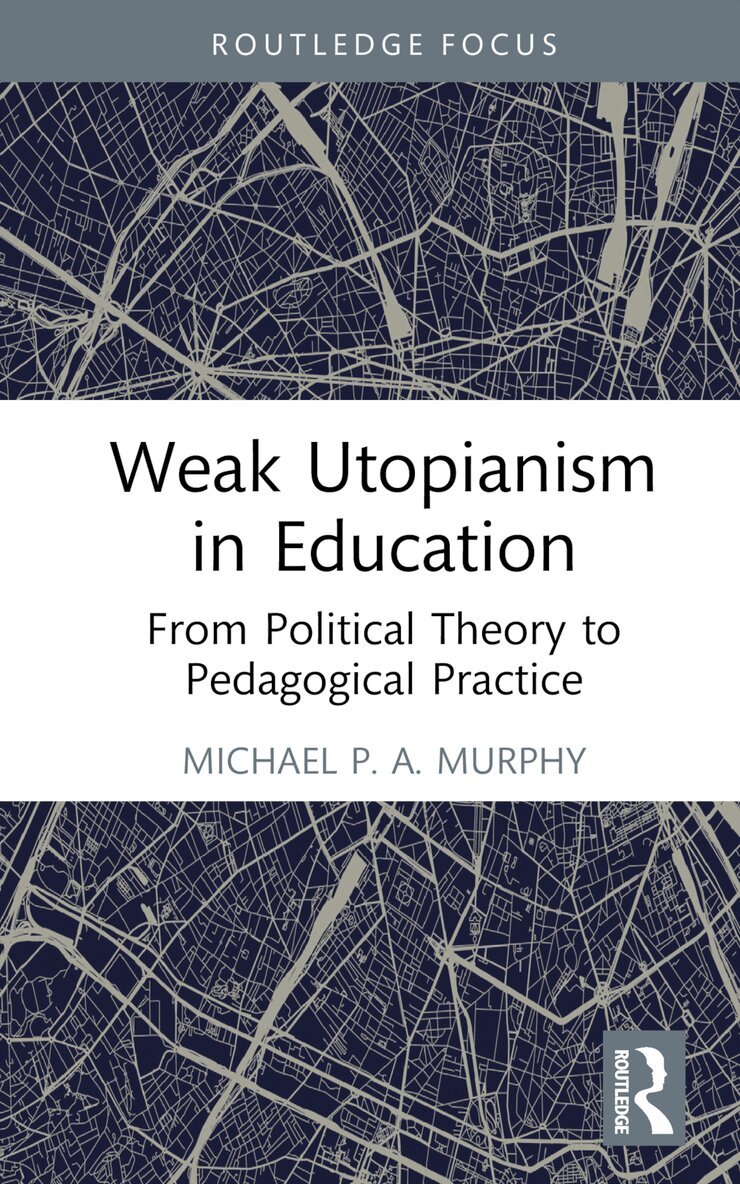
    Weak Utopianism in Education

    From Political Theory to Pedagogical Practice

    AvMichael P. A. Murphy

    Inbunden, Engelska, 2024

    Del i serien Rethinking Education

    961 kr

    Beställningsvara. Skickas inom 10-15 vardagar. Fri frakt över 249 kr.

    Fler format och utgåvor

    Häftad

    610 kr

    E-bok

    721 kr

    E-bok

    721 kr

    Beskrivning

    In the light of the structural dangers of revolutionary change highlighted in the political theory of Giorgio Agamben, this book joins a lively debate in philosophy of education on weak utopianism as an approach that foregrounds and respects the educational potentiality of teachers and students. Utopian moves in education call for revolutionary changes in pedagogical practice in pursuit of a particular vision of the good. Whether grounded in emancipatory politics, technological enthusiasm, or another social movement, utopian moves are seductive in their promise of a better alternative. Weak Utopianism in Education draws together philosophy of education, political theory, scholarship of teaching and learning research, and utopian thought to advocate for a modest and humble approach to change. The theoretical foundation of weak utopianism opens space for educator’s personal convictions and teaching philosophies to tinker with their own pedagogical practices. The book creates a common conceptual meeting ground for philosophers and practitioners in education.

    Produktinformation

    • Utgivningsdatum:2024-06-19
    • Mått:138 x 216 x 13 mm
    • Vikt:200 g
    • Format:Inbunden
    • Språk:Engelska
    • Serie:Rethinking Education
    • Antal sidor:90
    • Förlag:Taylor & Francis Ltd
    • ISBN:9781032601625

    Utforska kategorier

    • Pedagogisk teori och filosofi inom Psykologi och pedagogik
    • Utbildningsstrategier och utbildningspolitik inom Psykologi och pedagogik
    • Statsvetenskap och politisk teori inom Samhälle och politik

    Mer om författaren

    Michael P.A. Murphy is a Banting Postdoctoral Fellow in the Department of Political Studies at Queen’s University, Canada, and a Digital Policy Hub Fellow at the Centre for International Governance Innovation (Canada).

    Innehållsförteckning

    • PrefacePart I Foundations1 What is Utopianism?2 Giorgio Agamben and Weak Utopianism3 Weak Utopianism and Philosophy of EducationPart II Applications4 Design5 Verification6 ExperimentationPart III Conclusions7 Tinkering8 Small Steps