• Fri frakt över 249 kr
  • •
  • Snabba leveranser
  • •
  • Billiga böcker
Kundservice

Du är på sajten för privatpersoner.

Företag, bibliotek eller offentlig verksamhet?

Du handlar på classic.bokus.com, där alla dina funktioner finns intakta.
Till classic.bokus.com
Bokus logotyp. Gå till startsidan.
  • Erbjudanden
  • Nyheter
  • Student
  • Topplistor
  • Barn & ungdom
  • Bokus Play
  • E-böcker
  • Pocketböcker
  • Spel & pussel

10% rabatt på allt med kod: NYSTART10 →

Sidfot

Mina sidor

    Hjälp

    • Kundservice
    • Vanliga frågor och svar
    • Frakt och leverans
    • Retur vid ångerrätt
    • Reklamera vara
    • Betalning
    • Köpvillkor
    • Allmänna villkor
    • Information om webbplatsens tillgänglighet

    Om Bokus

    • Om oss
    • Pressrum
    • För studenter
    • För företag
    • För bibliotek och offentlig verksamhet
    • För leverantörer
    • Hållbarhet

    Populärt

    • Aktuella erbjudanden
    • Presentkort
    • Studentlitteratur
    • Nya böcker
    • Topplistor
    • Signerade böcker
    • Engelska böcker

    Inspiration

    • Boktips
    • BookTok
    • Populära bokserier
    • Barnbokskaraktärer
    • Populära författare
    Logotyp för Bokus
    Följ oss på Facebook (extern länk)Följ oss på Instagram (extern länk)Följ oss på YouTube (extern länk)Följ oss på TikTok (extern länk)
    bokus @ CookiesAnpassa cookiesIntegritetspolicyKöpvillkor
    Till Citymail hemsida (extern länk)Till Budbee hemsida (extern länk)Till Postnord hemsida (extern länk)Till Schenker hemsida (extern länk)Till Early Bird hemsida (extern länk)Till Walleys hemsida (extern länk)
    1. Samhälle och politik
    2. Samhälle och kultur
    3. Sociala grupper och identitet

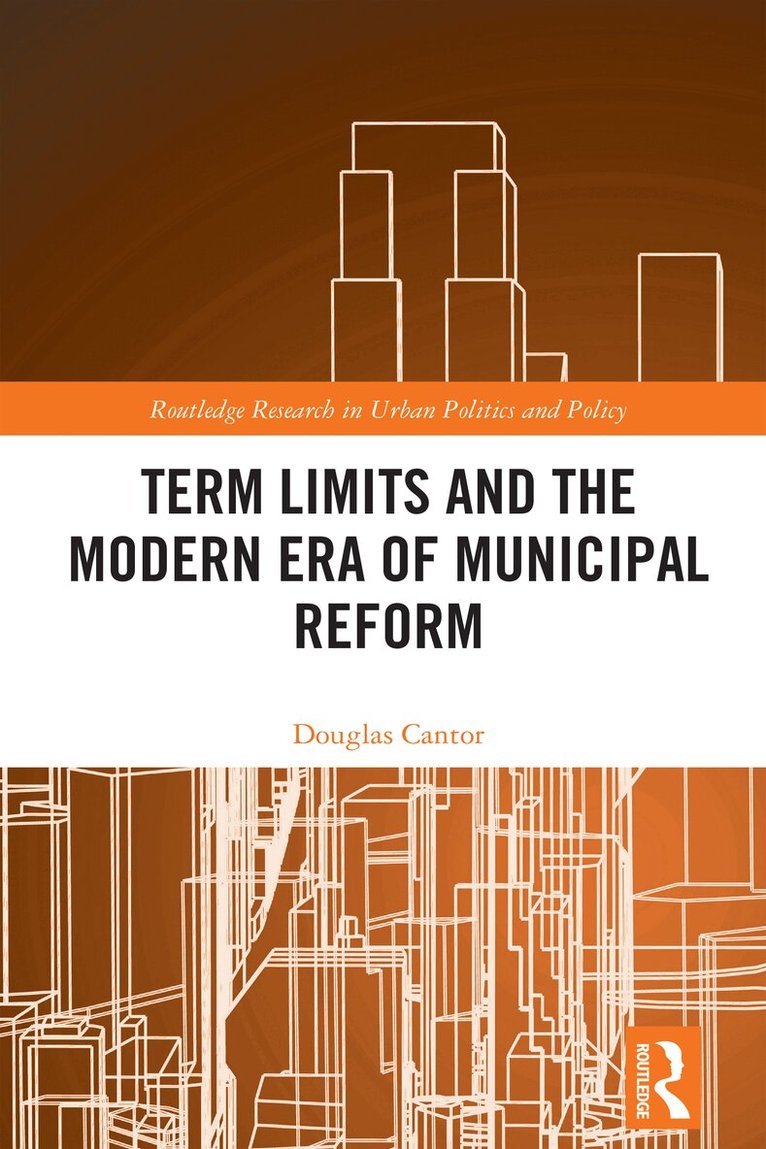
    Term Limits and the Modern Era of Municipal Reform

    AvDouglas Cantor

    Inbunden, Engelska, 2024

    Del i serien Routledge Research in Urban Politics and Policy

    2 421 kr

    Beställningsvara. Skickas inom 10-15 vardagar. Fri frakt över 249 kr.

    Fler format och utgåvor

    Häftad

    681 kr

    E-bok

    805 kr

    E-bok

    805 kr

    Beskrivning

    Term limits enjoy broad popularity among Americans, yet scholarly literature has omitted two important questions from the study of municipal reform: Why are term limits so popular, and what are the causes of movements for term limits? In this book, Douglas Cantor exposes the causes of term limits at the local level of government to shed light on how and why the movement to adopt term limits came to exist.Cantor begins his analysis by providing a history of term limits, beginning with classical debates in Greek philosophy. He describes the benefits of studying the causes of term limits and how term limits are a direct manifestation of older values rooted in the American traditions of municipal reform. Part II examines 20 different municipalities across the continental United States that experienced a movement to implement term limits through a political campaign, voter initiative, or council-led charter amendment. Written to a common template and examining each case through the lens of the reform impulse, Cantor argues that the institutional lineage of the Progressives, namely council-manager governments, at-large elections, and nonpartisanship, is largely responsible for movements to implement term limits somewhere in the United States in almost every election.Term Limits and the Modern Era of Municipal Reformbrings a new dimension to the Progressive era, championing the study of local politics and its importance to understanding American politics.

    Produktinformation

    • Utgivningsdatum:2024-06-03
    • Mått:152 x 229 x 15 mm
    • Vikt:417 g
    • Format:Inbunden
    • Språk:Engelska
    • Serie:Routledge Research in Urban Politics and Policy
    • Antal sidor:184
    • Förlag:Taylor & Francis Ltd
    • ISBN:9781032753034

    Utforska kategorier

    • Sociala grupper och identitet inom Samhälle och politik
    • Regionalt styre och förvaltning inom Samhälle och politik

    Mer om författaren

    Douglas Cantor is a full-time teaching instructor at Rutgers University—New Brunswick. His teaching and research interests include constitutional law, water law and policy, housing law and policy, urban politics, American politics, privatization, and judicial politics.

    Recensioner i media

    In this deeply researched analysis, Cantor urges a new conceptualization of the push for municipal term limits. Like the Progressive Reformers of the early 20th century, term limits supporters view institutional change as the proper corrective to government ills (however they might be defined). In so doing Cantor brings a fresh approach (studying the drivers of local term limits, rather than their effects) and novel data (from 20 varied cases) that will influence the way scholars think about both municipal reform and efforts to limit incumbency.Jessica Trounstine, Professor of Political Science, Vanderbilt UniversityCantor provides a splendid account on the progressive idealism behind turnout limits in local politics and the tumultuous consequences of implementing them in practice. With its comprehensive theory and detailed case studies, this volume is a must have for any library on local politics and governance in the United States. Eric Oliver, Professor of Political Science, University of Chicago

    Innehållsförteckning

    • Part 1: Term Limits and Reform 1. A Reckoning of Reform 2. Term Limits and the Rise of the Modern Era of Municipal Reform 3. Municipal Reform: Modernizing the Literature With How We Understand Term Limits Part 2: Cases 4. Studying Local Term Limits 5. Roswell, GA 6. Tinley Park, IL 7. Naperville, IL 8. Orland Park, IL 9. Santa Monica, CA 10. Loomis, CA 11. Arlington, TX 12. Farragut, TN 13. Lincoln, NE 14. West Seneca, NY 15. Allentown, PA 16. St. Tammany Parish, LA 17. Palm Beach Gardens, FL 18. Alsip, IL 19. Opa-Locka, FL 20. Marietta, GA 21. Hudson, OH 22. Palmer, AK 23. Green Bay, WI 24. Topeka, KS Part 3: Conclusions 25. On Incumbency 26. On the Reform Impulse 27. On Diffusion 28. On the Acceptance or Rejection of Term Limits 29. Other Observations 30. Conclusion: Reflections on Term Limits and the Rise of the Modern Era of Reform