Routledge Research in Urban Politics and Policy – serie
Visar alla böcker i serien Routledge Research in Urban Politics and Policy. Handla med fri frakt och snabb leverans.
14 produkter
14 produkter
Häftad, Engelska, 2019
708 kr
Skickas inom 10-15 vardagar
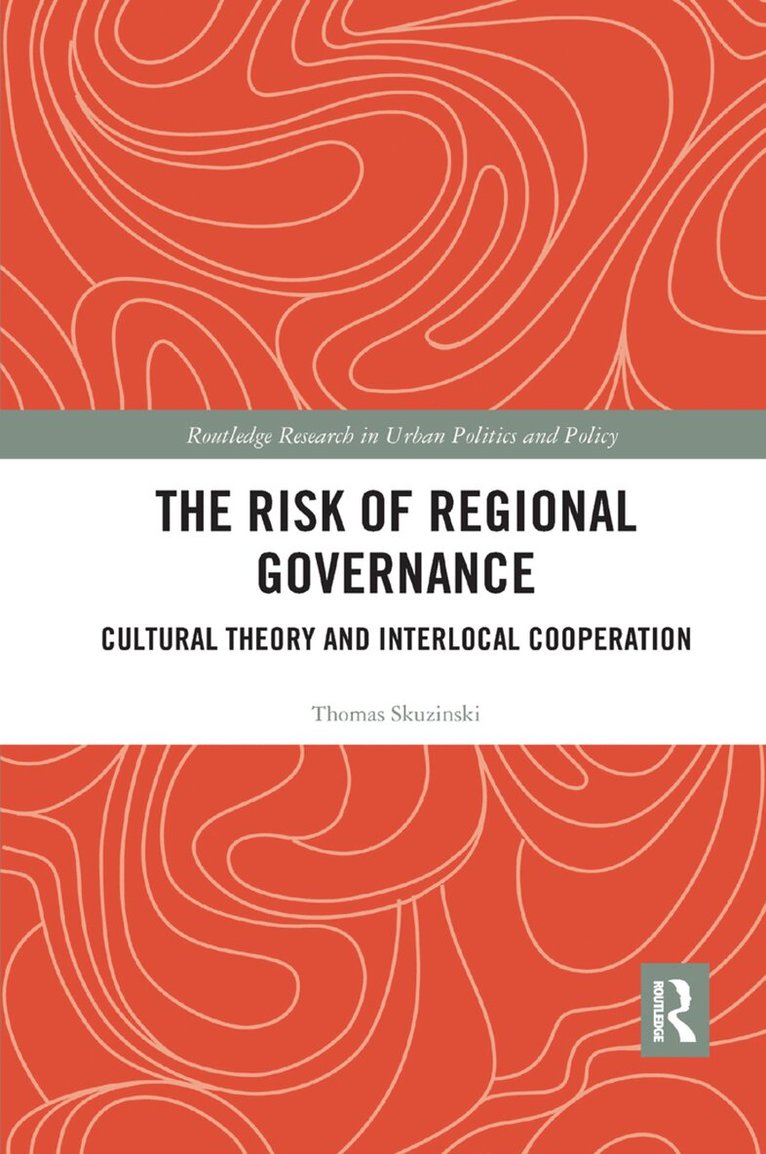
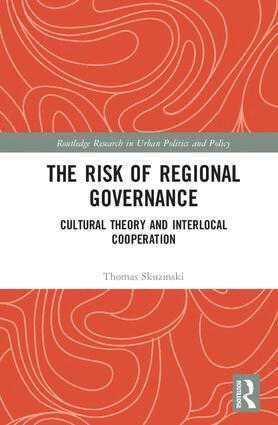
Creating metropolitan regions that are more efficient, equitable, and sustainable depends on the willingness of local officials to work together across municipal boundaries to solve large-scale problems. How do these local officials think? Why do they only sometimes cooperate? What kind of governance do they choose in the face of persistent problems?The Risk of Regional Governance offers a new perspective on these questions. Drawing on theory from sociology and anthropology, it argues that many of the most important cooperative decisions local officials make—those about land use planning and regulation—are driven by heuristic, biased reasoning driven by cultural values. The Risk of Regional Governance builds a sociocultural collective action framework, and supports it with rich survey and interview data from hundreds of local elected officials serving in the suburbs of Detroit and Grand Rapids, Michigan. It is a story of the Rust Belt, of how local officials think about their community and the region, and—most importantly—of how we might craft policies that can overcome biases against regional governance.
Häftad, Engelska, 2020
708 kr
Skickas inom 10-15 vardagar
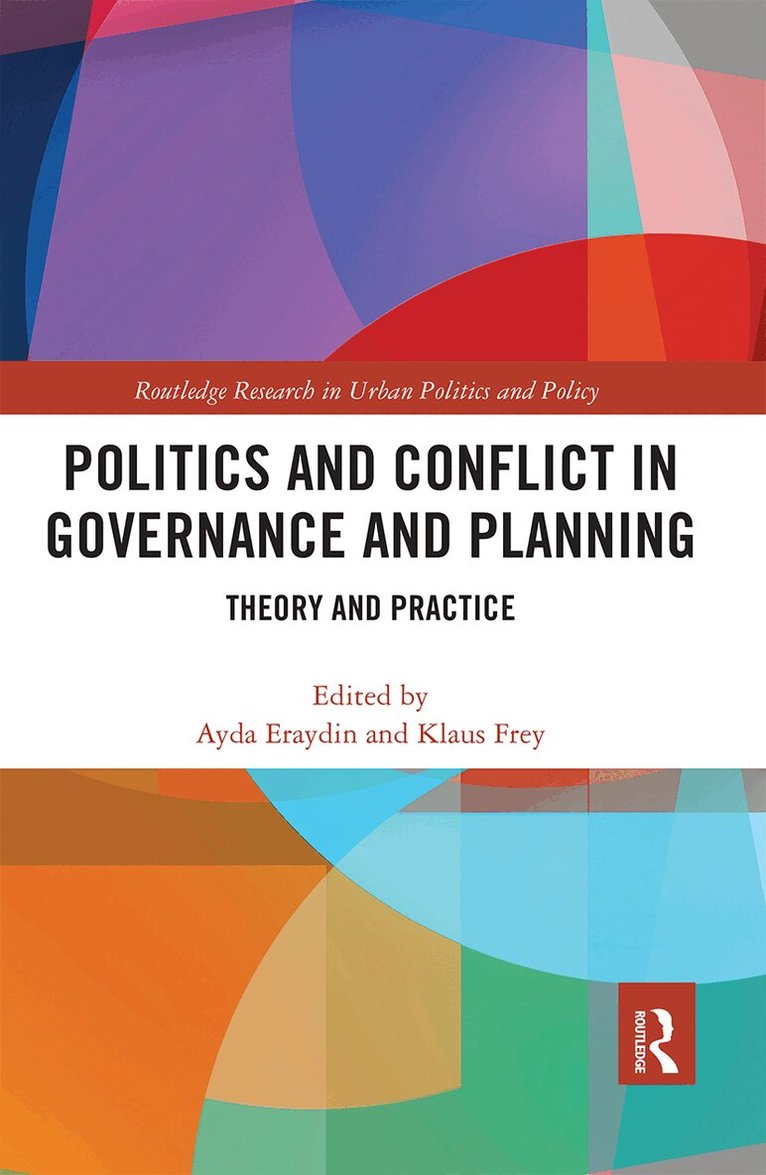
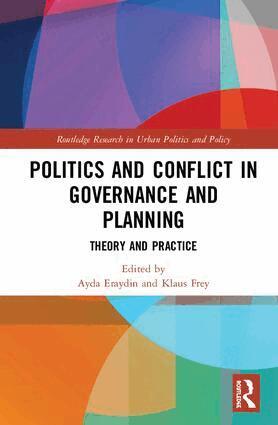
Politics and Conflict in Governance and Planning offers a critical evaluation of manifold ways in which the political dimension is reflected in contemporary planning and governance. While the theoretical debates on post-politics and the wider frame of post-foundational political theory provide substantive explanations for the crisis in planning and governance, still there is a need for a better understanding of how the political is manifested in the planning contents, shaped by institutional arrangements and played out in the planning processes. This book undertakes a reassessment of the changing role of the political in contemporary planning and governance. Employing a wide range of empirical research conducted in several regions of the world, it draws a more complex and heterogeneous picture of the context-specific depoliticisation and repoliticisation processes taking place in local and regional planning and governance. It shows not only the domination of market forces and the consequent suppression of the political but also how political conflicts and struggles are defined, tackled and transformed in view of the multifaceted rules and constraints recently imposed to local and regional planning. Switching the focus to how strategies and forms of depoliticised governance can be repoliticised through renewed planning mechanisms and socio-political mobilisation, Politics and Conflict in Governance and Planning is a critical and much needed contribution to the planning literature and its incorporation of the post-politics and post-democracy debate.
Häftad, Engelska, 2016
625 kr
Skickas inom 10-15 vardagar
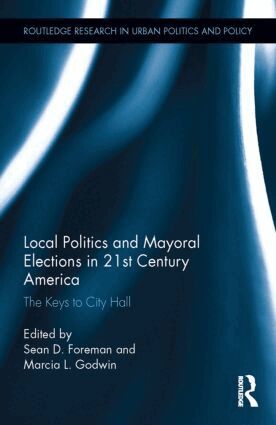
Some of the most populated and storied American cities had mayoral elections in 2013. Open contests in New York City, Los Angeles and Boston, for example, offer laboratories to examine electoral trends in urban politics. Cities are facing varied predicaments. Boston was rocked by the bombing of the marathon on April 15. Detroit is roiled by being the largest U.S. city to declare bankruptcy, and Chicago, which had an open, competitive election in 2011, is dealing with significant gun violence. San Diego’s mayor resigned in August 2013 due to sexual harassment charges and other mayors are surrounded by corruption scandals. Houston and St. Louis had non-competitive elections recently but their mayors are notable for their tenure in office and emphasis will be on public policy outcomes in those cases. Leaders in most cities face dramatic changes and challenges due to economic and social realities. The Keys to City Hall offers a complete and succinct review and analysis of the top mayoral campaigns in major American cities in recent years as well as the politics and public policy management of those urban areas. Emerging theories of urban governance, demographic changes, and economic conditions are examined in introductory chapters; the introduction will provide a unique and comprehensive focus on major trends in advertisement, changes in campaign strategies, fundraising, and the use of social media at the local level. In Part Two, scholars with expertise in local politics, urban public policy, and the governance explore some of the largest and most noteworthy U.S. cities, each of which has a recent, competitive mayoral election. They will also provide updated data on mayoral powers and problems faced by local executives. Written as lively narratives in a highly readable style, this book advances theory on urban politics by reviewing developments in the field and aligning theoretical approaches with realities on the ground based on the most recent elections and governance structures. As such, it will be a much needed resource to scholars interested in local politics, and the public policy debates of specific major urban and metropolitan areas.
Inbunden, Engelska, 2012
2 550 kr
Skickas inom 10-15 vardagar
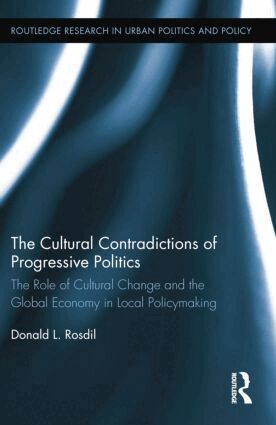
Why do some U.S. cities like Seattle and Boston impose social exactions and sustainability targets on private investment while others like Las Vegas and Houston offer property tax and fee remissions to business, tolerate environmentally hazardous activities such as oil drilling, and express skepticism even about recycling mandates? The behavior of the former cities appears especially puzzling in view of globalization processes that seemingly offer many more options to mobile capital and expose cities’ vulnerability to private investment decisions. Cultural Contradictions examines the paradoxical finding that some U.S. cities can impose burdensome regulations and extract social and environmental contributions from the private sector despite an apparently weak bargaining position. It usescultural change and the growth of non-traditional subcultures to explain why cities adopt these progressive policies. Responding to the urban policy literature’s tendency to prioritize economic considerations over other kinds of causal factors, the book demonstrates the joint impact of culture and economics in encouraging policy outcomes which emphasize social justice, human rights, and environmental sustainability in large U.S. cities. The book makes several specific contributions to urban literature. First, it argues that cities in which nontraditional cultural beliefs and practices thrive and which are strongly linked to dynamic economic sectors such as information services, professional, scientific and technical services, financial services, and education and health care services are especially likely to adopt progressive policies. It establishes this claim using both statistical analysis of large-N city samples and a closer investigation of four case studies. Second, it reveals how progressive policies are a plausible response to psychological concerns associated with unconventional ways of life and the nature of postindustrial society. Finally, the book indicates how these new ways of life and postindustrial economic sectors grow in mutually reinforcing ways in order to make these policies acceptable to local economic elites and therefore favorable to the city’s future development.
Inbunden, Engelska, 2013
2 206 kr
Skickas inom 10-15 vardagar
Housing is no longer about having a place to live – but about state pressures to conform, norms and policies regarding citizenship, and practices of surveillance and security. Breaking new ground in the field of urban politics and international relations, Securitization of Property Squatting in Europe examines and critiques legislative initiatives and examines governmental attempts to reframe urban property squatting as a crime and a threat to domestic security.Using examples from France, Netherlands, Denmark, and Great Britain, Mary Manjikian argues that developments within the European Union – including terrorist attacks in London and Madrid, the rise of right wing extremist parties, and the lifting of barriers to immigration and travel within the EU – have had effects on housing policy, which has become the subject of state security policy in Europe’s urban areas. In Denmark, squatting has often had an ideological, anti-state character. In Paris, housing policy can be viewed as a type of identity politics with squatters as transnational actors who pose a transnational security threat. In Great Britain, the role of the press has created a drive to criminalize squatting. Events in the Netherlands present two competing notions of what housing is – a human right, or an economic good produced by the free market.
Inbunden, Engelska, 2018
2 343 kr
Skickas inom 10-15 vardagar
Politics and Conflict in Governance and Planning offers a critical evaluation of manifold ways in which the political dimension is reflected in contemporary planning and governance. While the theoretical debates on post-politics and the wider frame of post-foundational political theory provide substantive explanations for the crisis in planning and governance, still there is a need for a better understanding of how the political is manifested in the planning contents, shaped by institutional arrangements and played out in the planning processes. This book undertakes a reassessment of the changing role of the political in contemporary planning and governance. Employing a wide range of empirical research conducted in several regions of the world, it draws a more complex and heterogeneous picture of the context-specific depoliticisation and repoliticisation processes taking place in local and regional planning and governance. It shows not only the domination of market forces and the consequent suppression of the political but also how political conflicts and struggles are defined, tackled and transformed in view of the multifaceted rules and constraints recently imposed to local and regional planning. Switching the focus to how strategies and forms of depoliticised governance can be repoliticised through renewed planning mechanisms and socio-political mobilisation, Politics and Conflict in Governance and Planning is a critical and much needed contribution to the planning literature and its incorporation of the post-politics and post-democracy debate.
Inbunden, Engelska, 2022
763 kr
Skickas inom 10-15 vardagar
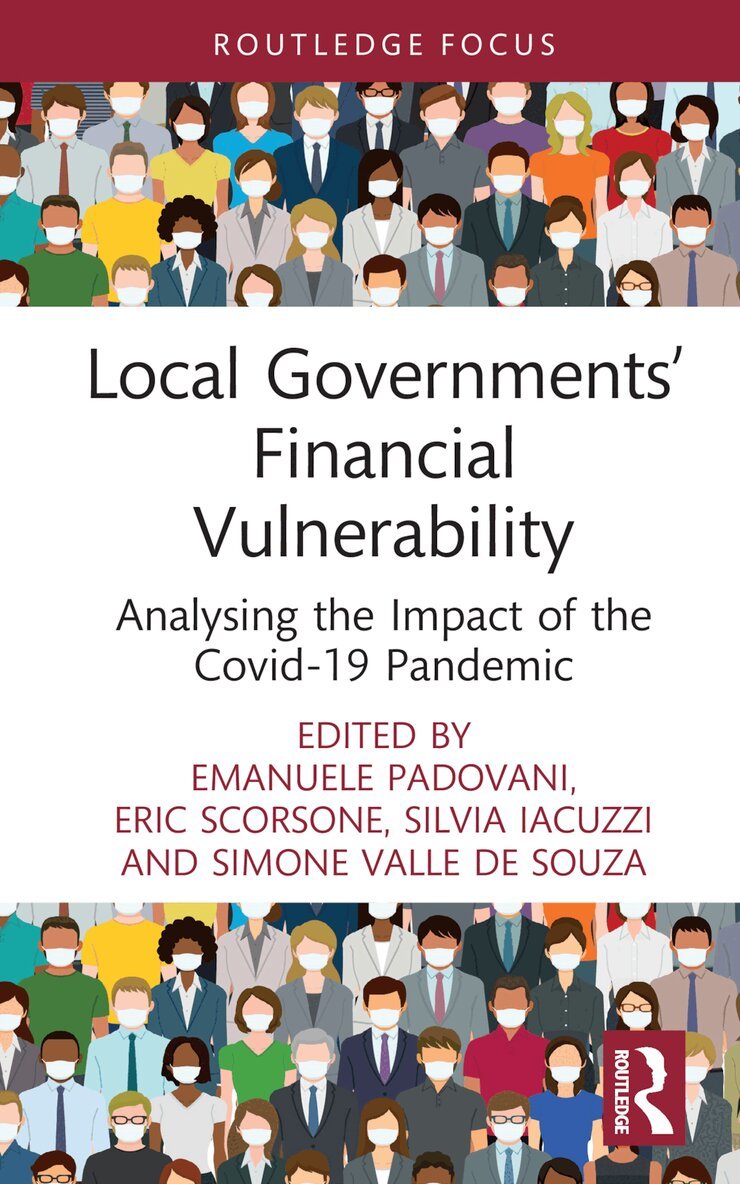
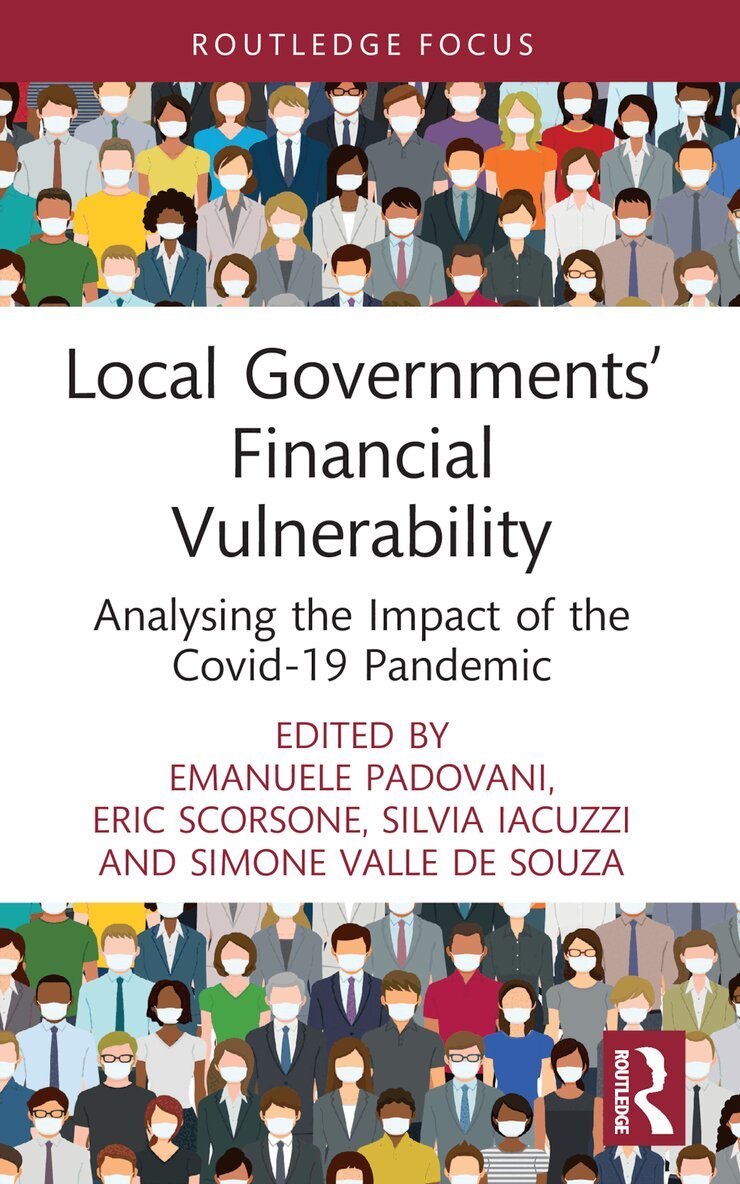
Local Governments’ Financial Vulnerability presents a conceptual framework developed to examine how vulnerable local finances were before and in the immediate aftermath of the COVID-19 pandemic crisis by mapping and systematising its dimensions and sources.The model is then applied to eight countries with different administrative models and traditions: Australia, Austria, Bosnia and Herzegovina, Germany, Italy, Portugal, Spain, and the United States. Comparative results reveal not only that COVID-19 impacts and policy tools had a lot of similarities across countries, but also that financial vulnerability has an inherently contingent nature in time and space and can lead to paradoxical outcomes. The book shows that the impact of the crisis on local governments’ finances has been postponed and that financial vulnerability is expected to increase dramatically for a few years following the pandemic, especially in larger and richer municipalities which are traditionally more autonomous and less financially vulnerable. The authors provide timely insights and analytical tools that can be useful for both academic and public policy purposes, to further appreciate local governments’ financial vulnerability, especially during crises.This book is a valuable resource for practitioners and academics, as well as students of public policy, public management, financial management, and public accounting. Local governments can use the framework to better appreciate and manage their financial vulnerability, while oversight authorities can use it to help local governments become less financially vulnerable or, at least, more aware of their financial vulnerability. Financial institutions, advisors, and rating agencies may use this publication to refine or revise their models of credit risk assessment.
Häftad, Engelska, 2023
296 kr
Skickas inom 10-15 vardagar
Local Governments’ Financial Vulnerability presents a conceptual framework developed to examine how vulnerable local finances were before and in the immediate aftermath of the COVID-19 pandemic crisis by mapping and systematising its dimensions and sources.The model is then applied to eight countries with different administrative models and traditions: Australia, Austria, Bosnia and Herzegovina, Germany, Italy, Portugal, Spain, and the United States. Comparative results reveal not only that COVID-19 impacts and policy tools had a lot of similarities across countries, but also that financial vulnerability has an inherently contingent nature in time and space and can lead to paradoxical outcomes. The book shows that the impact of the crisis on local governments’ finances has been postponed and that financial vulnerability is expected to increase dramatically for a few years following the pandemic, especially in larger and richer municipalities which are traditionally more autonomous and less financially vulnerable. The authors provide timely insights and analytical tools that can be useful for both academic and public policy purposes, to further appreciate local governments’ financial vulnerability, especially during crises.This book is a valuable resource for practitioners and academics, as well as students of public policy, public management, financial management, and public accounting. Local governments can use the framework to better appreciate and manage their financial vulnerability, while oversight authorities can use it to help local governments become less financially vulnerable or, at least, more aware of their financial vulnerability. Financial institutions, advisors, and rating agencies may use this publication to refine or revise their models of credit risk assessment.
Inbunden, Engelska, 2024
2 137 kr
Skickas inom 10-15 vardagar
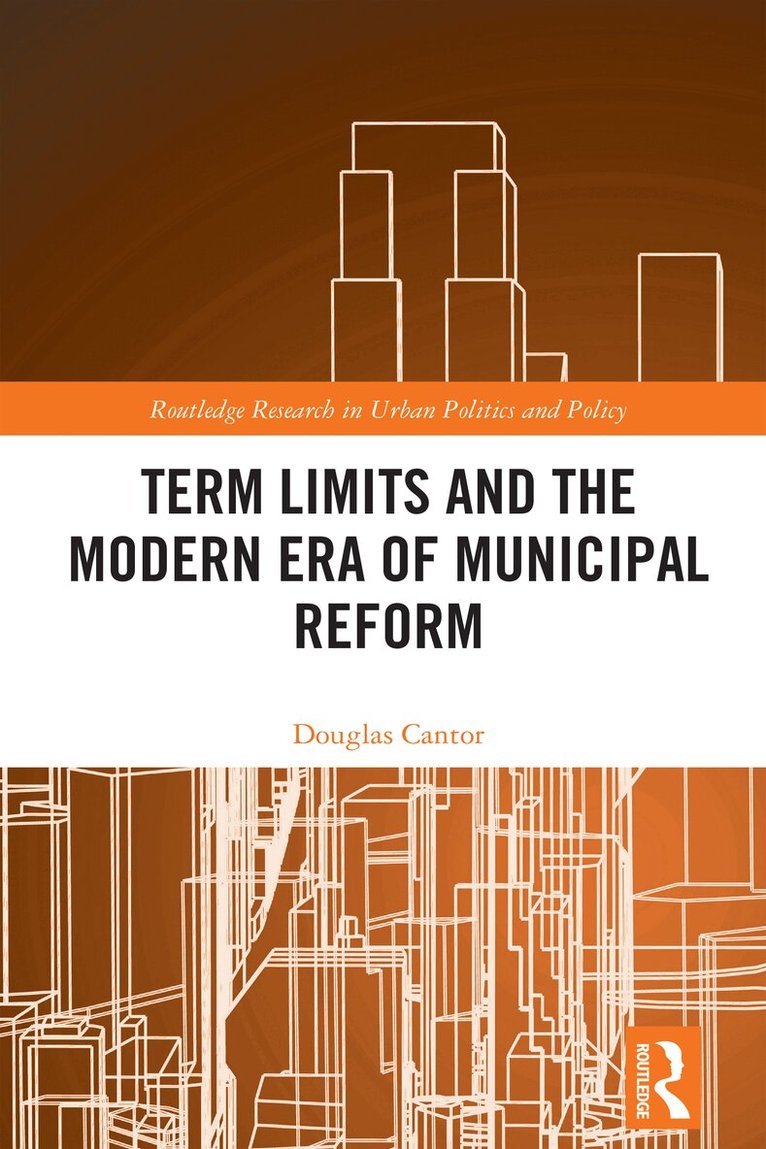
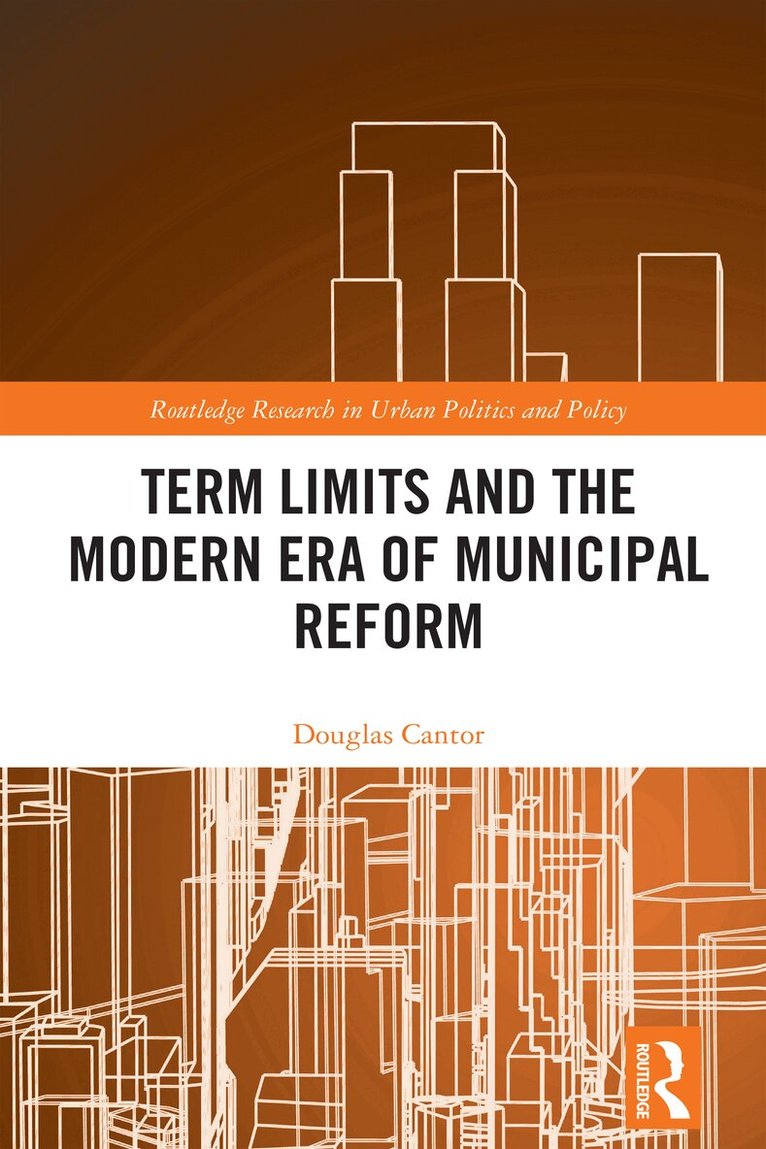
Term limits enjoy broad popularity among Americans, yet scholarly literature has omitted two important questions from the study of municipal reform: Why are term limits so popular, and what are the causes of movements for term limits? In this book, Douglas Cantor exposes the causes of term limits at the local level of government to shed light on how and why the movement to adopt term limits came to exist.Cantor begins his analysis by providing a history of term limits, beginning with classical debates in Greek philosophy. He describes the benefits of studying the causes of term limits and how term limits are a direct manifestation of older values rooted in the American traditions of municipal reform. Part II examines 20 different municipalities across the continental United States that experienced a movement to implement term limits through a political campaign, voter initiative, or council-led charter amendment. Written to a common template and examining each case through the lens of the reform impulse, Cantor argues that the institutional lineage of the Progressives, namely council-manager governments, at-large elections, and nonpartisanship, is largely responsible for movements to implement term limits somewhere in the United States in almost every election.Term Limits and the Modern Era of Municipal Reformbrings a new dimension to the Progressive era, championing the study of local politics and its importance to understanding American politics.
Häftad, Engelska, 2025
639 kr
Skickas inom 10-15 vardagar
Term limits enjoy broad popularity among Americans, yet scholarly literature has omitted two important questions from the study of municipal reform: Why are term limits so popular, and what are the causes of movements for term limits? In this book, Douglas Cantor exposes the causes of term limits at the local level of government to shed light on how and why the movement to adopt term limits came to exist.Cantor begins his analysis by providing a history of term limits, beginning with classical debates in Greek philosophy. He describes the benefits of studying the causes of term limits and how term limits are a direct manifestation of older values rooted in the American traditions of municipal reform. Part II examines 20 different municipalities across the continental United States that experienced a movement to implement term limits through a political campaign, voter initiative, or council-led charter amendment. Written to a common template and examining each case through the lens of the reform impulse, Cantor argues that the institutional lineage of the Progressives, namely council-manager governments, at-large elections, and nonpartisanship, is largely responsible for movements to implement term limits somewhere in the United States in almost every election.Term Limits and the Modern Era of Municipal Reformbrings a new dimension to the Progressive era, championing the study of local politics and its importance to understanding American politics.
Inbunden, Engelska, 2017
2 137 kr
Skickas inom 10-15 vardagar
Creating metropolitan regions that are more efficient, equitable, and sustainable depends on the willingness of local officials to work together across municipal boundaries to solve large-scale problems. How do these local officials think? Why do they only sometimes cooperate? What kind of governance do they choose in the face of persistent problems?The Risk of Regional Governance offers a new perspective on these questions. Drawing on theory from sociology and anthropology, it argues that many of the most important cooperative decisions local officials make—those about land use planning and regulation—are driven by heuristic, biased reasoning driven by cultural values. The Risk of Regional Governance builds a sociocultural collective action framework, and supports it with rich survey and interview data from hundreds of local elected officials serving in the suburbs of Detroit and Grand Rapids, Michigan. It is a story of the Rust Belt, of how local officials think about their community and the region, and—most importantly—of how we might craft policies that can overcome biases against regional governance.
Inbunden, Engelska, 2014
2 206 kr
Skickas inom 10-15 vardagar
Some of the most populated and storied American cities had mayoral elections in 2013. Open contests in New York City, Los Angeles and Boston, for example, offer laboratories to examine electoral trends in urban politics. Cities are facing varied predicaments. Boston was rocked by the bombing of the marathon on April 15. Detroit is roiled by being the largest U.S. city to declare bankruptcy, and Chicago, which had an open, competitive election in 2011, is dealing with significant gun violence. San Diego’s mayor resigned in August 2013 due to sexual harassment charges and other mayors are surrounded by corruption scandals. Houston and St. Louis had non-competitive elections recently but their mayors are notable for their tenure in office and emphasis will be on public policy outcomes in those cases. Leaders in most cities face dramatic changes and challenges due to economic and social realities. The Keys to City Hall offers a complete and succinct review and analysis of the top mayoral campaigns in major American cities in recent years as well as the politics and public policy management of those urban areas. Emerging theories of urban governance, demographic changes, and economic conditions are examined in introductory chapters; the introduction will provide a unique and comprehensive focus on major trends in advertisement, changes in campaign strategies, fundraising, and the use of social media at the local level. In Part Two, scholars with expertise in local politics, urban public policy, and the governance explore some of the largest and most noteworthy U.S. cities, each of which has a recent, competitive mayoral election. They will also provide updated data on mayoral powers and problems faced by local executives. Written as lively narratives in a highly readable style, this book advances theory on urban politics by reviewing developments in the field and aligning theoretical approaches with realities on the ground based on the most recent elections and governance structures. As such, it will be a much needed resource to scholars interested in local politics, and the public policy debates of specific major urban and metropolitan areas.
Häftad, Engelska, 2014
584 kr
Skickas inom 10-15 vardagar
Why do some U.S. cities like Seattle and Boston impose social exactions and sustainability targets on private investment while others like Las Vegas and Houston offer property tax and fee remissions to business, tolerate environmentally hazardous activities such as oil drilling, and express skepticism even about recycling mandates? The behavior of the former cities appears especially puzzling in view of globalization processes that seemingly offer many more options to mobile capital and expose cities’ vulnerability to private investment decisions. Cultural Contradictions examines the paradoxical finding that some U.S. cities can impose burdensome regulations and extract social and environmental contributions from the private sector despite an apparently weak bargaining position. It usescultural change and the growth of non-traditional subcultures to explain why cities adopt these progressive policies. Responding to the urban policy literature’s tendency to prioritize economic considerations over other kinds of causal factors, the book demonstrates the joint impact of culture and economics in encouraging policy outcomes which emphasize social justice, human rights, and environmental sustainability in large U.S. cities. The book makes several specific contributions to urban literature. First, it argues that cities in which nontraditional cultural beliefs and practices thrive and which are strongly linked to dynamic economic sectors such as information services, professional, scientific and technical services, financial services, and education and health care services are especially likely to adopt progressive policies. It establishes this claim using both statistical analysis of large-N city samples and a closer investigation of four case studies. Second, it reveals how progressive policies are a plausible response to psychological concerns associated with unconventional ways of life and the nature of postindustrial society. Finally, the book indicates how these new ways of life and postindustrial economic sectors grow in mutually reinforcing ways in order to make these policies acceptable to local economic elites and therefore favorable to the city’s future development.
Häftad, Engelska, 2015
584 kr
Skickas inom 10-15 vardagar
Housing is no longer about having a place to live – but about state pressures to conform, norms and policies regarding citizenship, and practices of surveillance and security. Breaking new ground in the field of urban politics and international relations, Securitization of Property Squatting in Europe examines and critiques legislative initiatives and examines governmental attempts to reframe urban property squatting as a crime and a threat to domestic security.Using examples from France, Netherlands, Denmark, and Great Britain, Mary Manjikian argues that developments within the European Union – including terrorist attacks in London and Madrid, the rise of right wing extremist parties, and the lifting of barriers to immigration and travel within the EU – have had effects on housing policy, which has become the subject of state security policy in Europe’s urban areas. In Denmark, squatting has often had an ideological, anti-state character. In Paris, housing policy can be viewed as a type of identity politics with squatters as transnational actors who pose a transnational security threat. In Great Britain, the role of the press has created a drive to criminalize squatting. Events in the Netherlands present two competing notions of what housing is – a human right, or an economic good produced by the free market.