• Fri frakt över 249 kr
  • •
  • Snabba leveranser
  • •
  • Billiga böcker
Kundservice

Du är på sajten för privatpersoner.

Företag, bibliotek eller offentlig verksamhet?

Du handlar på classic.bokus.com, där alla dina funktioner finns intakta.
Till classic.bokus.com
Bokus logotyp. Gå till startsidan.
  • Erbjudanden
  • Nyheter
  • Student
  • Topplistor
  • Barn & ungdom
  • Bokus Play
  • E-böcker
  • Pocketböcker
  • Spel & pussel

10% rabatt på allt med kod: NYSTART10 →

Sidfot

Mina sidor

    Hjälp

    • Kundservice
    • Vanliga frågor och svar
    • Frakt och leverans
    • Retur vid ångerrätt
    • Reklamera vara
    • Betalning
    • Köpvillkor
    • Allmänna villkor
    • Information om webbplatsens tillgänglighet

    Om Bokus

    • Om oss
    • Pressrum
    • För studenter
    • För företag
    • För bibliotek och offentlig verksamhet
    • För leverantörer
    • Hållbarhet

    Populärt

    • Aktuella erbjudanden
    • Presentkort
    • Studentlitteratur
    • Nya böcker
    • Topplistor
    • Signerade böcker
    • Engelska böcker

    Inspiration

    • Boktips
    • BookTok
    • Populära bokserier
    • Barnbokskaraktärer
    • Populära författare
    Logotyp för Bokus
    Följ oss på Facebook (extern länk)Följ oss på Instagram (extern länk)Följ oss på YouTube (extern länk)Följ oss på TikTok (extern länk)
    bokus @ CookiesAnpassa cookiesIntegritetspolicyKöpvillkor
    Till Citymail hemsida (extern länk)Till Budbee hemsida (extern länk)Till Postnord hemsida (extern länk)Till Schenker hemsida (extern länk)Till Early Bird hemsida (extern länk)Till Walleys hemsida (extern länk)
    1. Psykologi och pedagogik
    2. Pedagogik
    3. Pedagogisk teori och filosofi

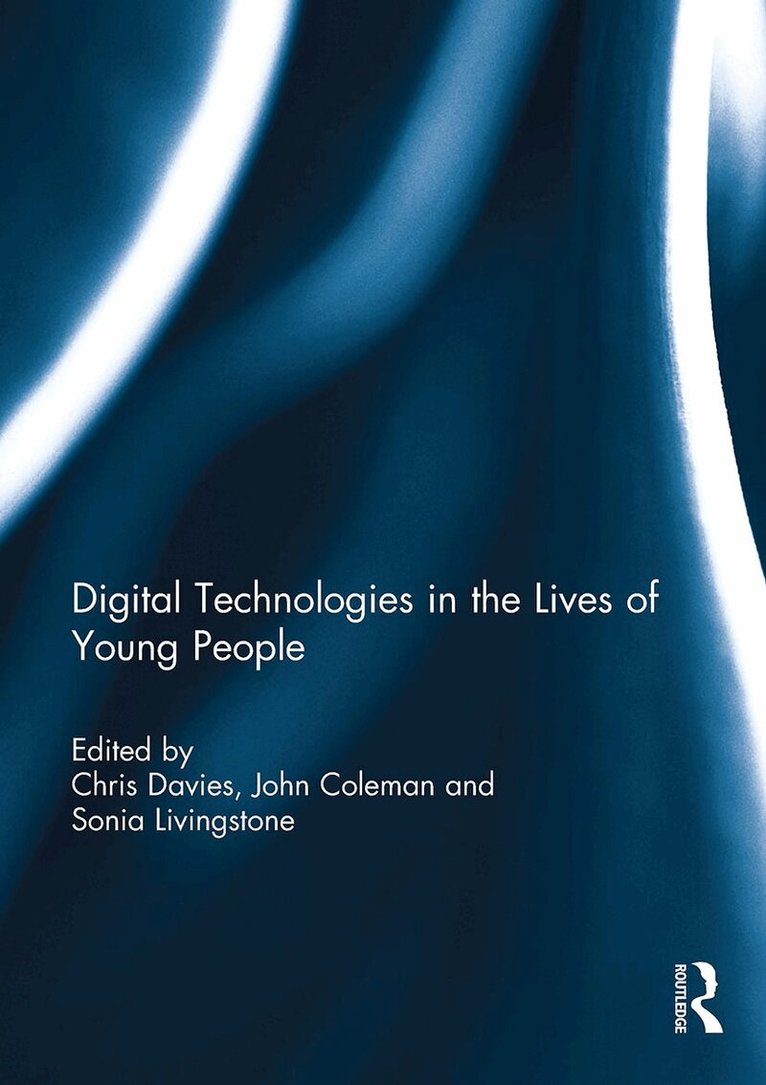
    Digital Technologies in the Lives of Young People

    AvChris Davies,John Coleman

    Häftad, Engelska, 2024

    593 kr

    Beställningsvara. Skickas inom 10-15 vardagar. Fri frakt över 249 kr.

    Beskrivning

    This book examines the presence and effects of new technologies in the lives of young people. The rapid pace of change in the development and use of digital technologies, and the likely impact this has on youth, means that the topic has wide implications for educational institutions, theory and practice. There is a demand for a concentration on the ways in which new devices such as smart phones and tablets, as well as new platforms and recent notions such as the ‘flipped classroom’, are affecting the way education is being provided. However, there is also still a small minority who do not have full access to the internet, and the disadvantages suffered by this group must also be addressed.The internet offers a vast range of opportunities for young people, and yet for various reasons it is not always available. This can partly be attributed to the controls that schools impose on the use of digital technology, for reasons of safety and security, and can in part be explained by the fact that policy makers have contradictory attitudes to technology. While they may argue for the need to have a well-educated and well-trained workforce, they fear the threats to privacy and safety posed by the internet. This book asserts that society needs to have more open debate about the threats and opportunities of digital technology as it is a dynamic and ever-changing topic for us all.This book was originally published as a special issue of the Oxford Review of Education.

    Produktinformation

    • Utgivningsdatum:2024-10-14
    • Mått:174 x 246 x undefined mm
    • Vikt:453 g
    • Format:Häftad
    • Språk:Engelska
    • Antal sidor:130
    • Förlag:Taylor & Francis Ltd
    • ISBN:9781032930565

    Utforska kategorier

    • Pedagogisk teori och filosofi inom Psykologi och pedagogik
    • Material och digital teknik i undervisningen inom Psykologi och pedagogik
    • Pedagogisk metodik inom Psykologi och pedagogik

    Mer om författaren

    Chris Davies co-ordinates the Learning and New Technologies Research Group in the Department of Education at the University of Oxford, UK. From 2008–2011, Chris was Principal Investigator for a Becta-funded project investigating learners’ uses of technologies away from formal education. He is currently the director of the Kellogg Centre for Assistive Learning Technologies, investigating uses of mobile technologies in special schools, and participating in a project exploring the role of technology in supporting the learning of marginalized adolescents.John Coleman is a Clinical and Developmental Psychologist. He was for many years the Director of the Trust for the Study of Adolescence (TSA), and since October 2006 he has been a Senior Research Fellow in the Department of Education at Oxford University, UK. He is the author of numerous books, including The Nature of Adolescence (Routledge, 2011), now in its fourth edition. Together with Dr Ann Hagell he is currently working on a new edition of their book Adolescence: Risk and Resilience, first published in 2007. He has been a Senior Policy Advisor in the Department of Health, UK, where he worked on emotional health and well-being in children and young people. He is the Chair of the Association for Young People’s Health and a Trustee of Family Lives. He has a long-standing interest in support for parents of teenagers, and he runs workshops for parents in secondary schools. He was awarded an OBE in 2001 for services to youth justice.Sonia Livingstone is Professor in the Department of Media and Communications at LSE, UK, and author or editor of seventeen books including, most recently, Children, Risk and Safety Online (edited, with Leslie Haddon and Anke Görzig, 2012), Media Regulation (with Peter Lunt, 2012), and Meanings of Audiences (edited, with Richard Butsch, 2013).Taking a comparative, critical and contextualised approach, Sonia's research examines the opportunities and risks afforded by digital and online technologies in a range of contexts. She directs a 33-country network, EU Kids Online, funded by the EC's Safer Internet Programme, and serves on the Executive Board of the UK's Council for Child Internet Safety, for which she is the Evidence Champion.

    Innehållsförteckning

    • 1. Introduction: Digital technologies in the lives of young people John Coleman 2. Critical reflections on the benefits of ICT in education Sonia Livingstone 3. The learning lives of digital youth—beyond the formal and informal Ola Erstad 4. Young people, new technologies and learning at home: taking context seriously John Furlong and Chris Davies 5. The ‘digital native’ in context: tensions associated with importing Web 2.0 practices into the school setting Charles Crook 6. Making sense of young people, education and digital technology: the role of sociological theory Neil Selwyn 7. Taking the 21st century seriously: young people, education and socio-technical futures Keri Facer