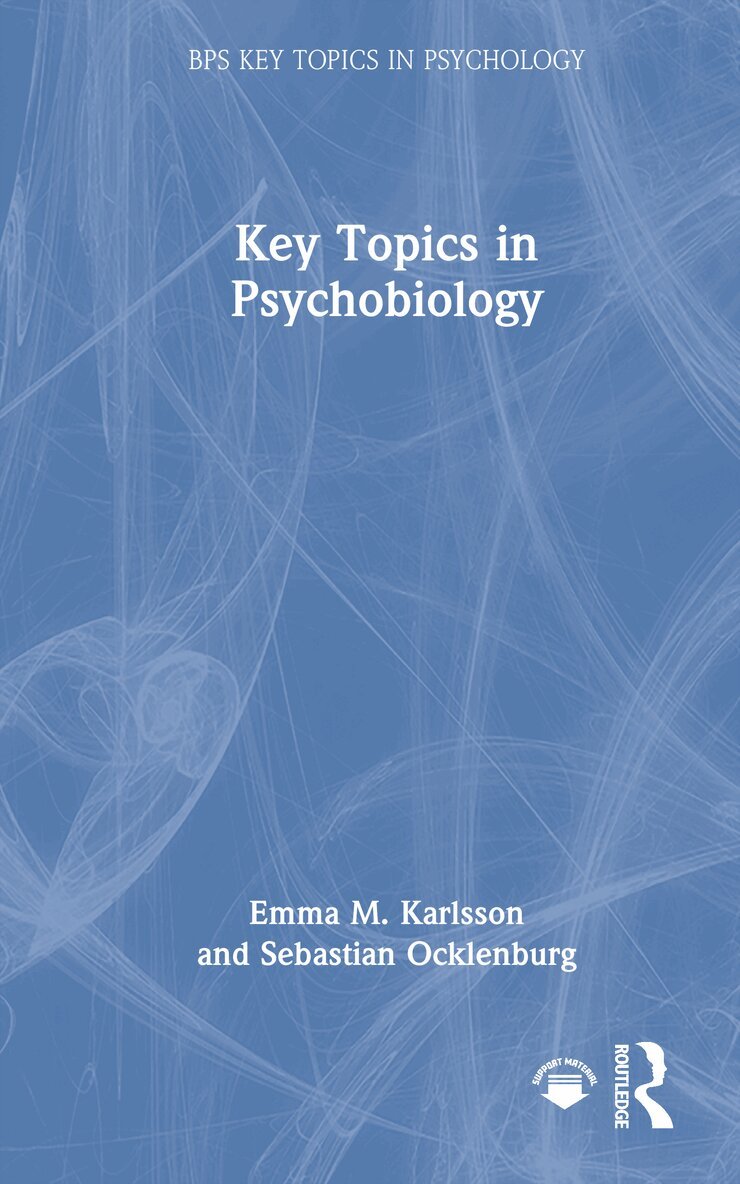
Inbunden, Engelska, 2026
Key Topics in Psychobiology
Av Emma M. Karlsson, Sebastian Ocklenburg
2324 kr
Beställningsvara. Skickas inom 10-15 vardagar. Fri frakt över 249 kr.
Beskrivning
Key Topics in Psychobiology is a compelling introduction to the science of psychobiology, offering a thorough exploration of its historical foundations, theoretical principles, research methods, societal impacts, and emerging areas of inquiry. Written by expert researchers, this text provides readers with a clear framework for understanding the biological underpinnings of human behaviour.This book begins by establishing the importance of psychobiology in explaining psychological functions and processes. It then examines key theoretical principles that have shaped the field, providing insights into the foundational ideas driving research. A detailed overview of psychobiological methods follows, including studies on brain lesions, neuroimaging techniques, and measures of electrical and magnetic activity in the brain, showcasing the tools that uncover the biological basis of behaviour. The societal impacts of psychobiological research are explored, with discussions on its contributions to address challenges such as dementia and addiction. Finally, this book concludes with a forward-looking perspective on emerging areas, including climate psychobiology and the intersection of human and artificial intelligence, highlighting the exciting directions the field is set to take.Both informative and engaging, Key Topics in Psychobiology, is an invaluable resource for undergraduate and postgraduate students in psychology and related disciplines.
Produktinformation
- Utgivningsdatum: 2026-09-28
- Mått: 138 x 216 x 11 mm
- Vikt: 490 g
- Format: Inbunden
- Språk: Engelska
- Serie: BPS Key Topics in Psychology
- Antal sidor: 164
- Förlag: Taylor & Francis Ltd
- ISBN: 9781032945859
Utforska kategorier
Betyg & recensioner
0 recensioner
Inga recensioner tillgängliga.