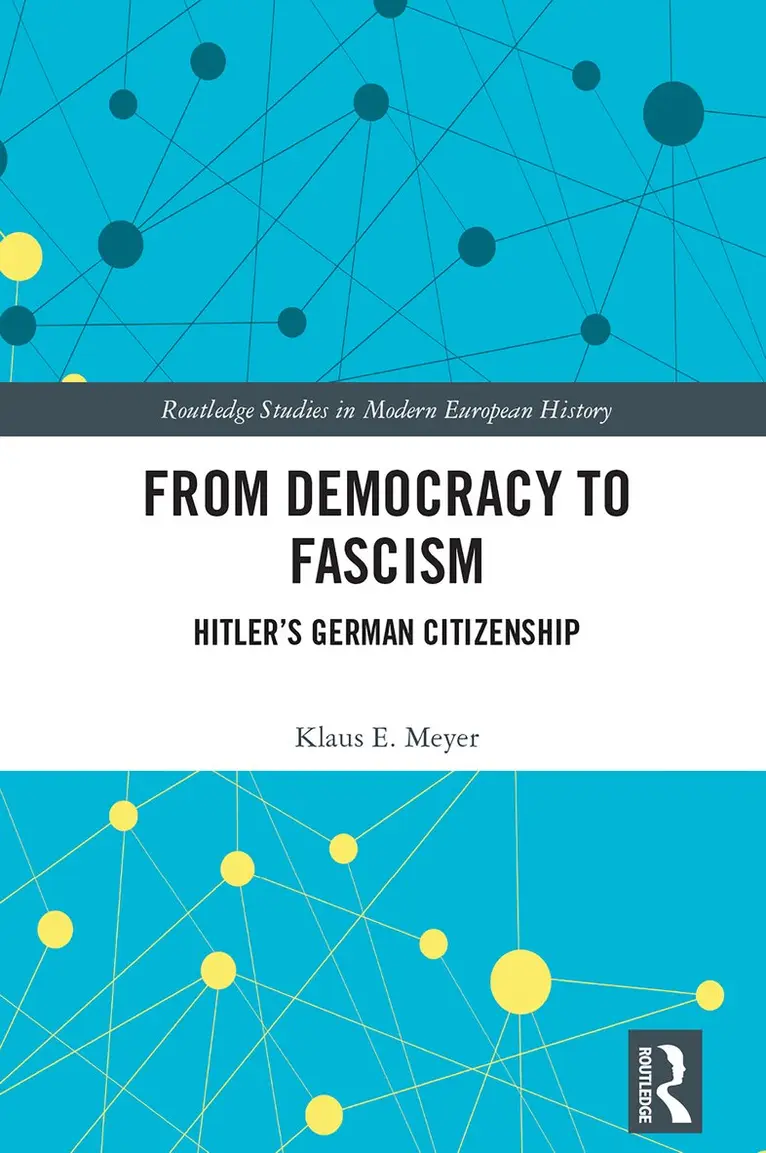
Inbunden, Engelska, 2026
From Democracy to Fascism
2590 kr
Beställningsvara. Skickas inom 10-15 vardagar. Fri frakt över 249 kr.
Beskrivning
How did a democratic society turn fascist? This book explores the political dynamics of the Free State of Braunschweig from 1930 to 1933 surrounding Adolf Hitler’s appointment to civil service – a decision enabled by the traditional conservative parties that paved his path to German citizenship.Upheavals and structural changes in the economy and society during the turbulent decade after the 1918 revolution had shaped voters’ worldviews and personal experiences. Many became increasingly frustrated with the parties operating within the rules of the still-novel democracy and voted for parties that rejected the republic. Bourgeois politicians formed a coalition with the National Socialists in 1930 and then progressively acceded to their demands. Civil society leaders were embroiled in conflicts with the National Socialist Minister of the Interior, or caved in. By reinvestigating the processes through which fascists built community support, this book deep-dives beyond more superficial discourse on the roots of political extremism and provides a historical perspective to inform contemporary debates.This volume is intended both for general readers interested in the processes of democracy turning into autocracy and for historians seeking to fill critical gaps in our understanding of the Weimar Republic and in the biography of Adolf Hitler.
Produktinformation
- Utgivningsdatum: 2026-07-01
- Mått: 156 x 234 x 16 mm
- Vikt: 670 g
- Format: Inbunden
- Språk: Engelska
- Serie: Routledge Studies in Modern European History
- Antal sidor: 256
- Förlag: Taylor & Francis Ltd
- ISBN: 9781041125273
Utforska kategorier
Betyg & recensioner
0 recensioner
Inga recensioner tillgängliga.