• Fri frakt över 249 kr
  • •
  • Snabba leveranser
  • •
  • Billiga böcker
Kundservice

Du är på sajten för privatpersoner.

Företag, bibliotek eller offentlig verksamhet?

Du handlar på classic.bokus.com, där alla dina funktioner finns intakta.
Till classic.bokus.com
Bokus logotyp. Gå till startsidan.
  • Erbjudanden
  • Nyheter
  • Student
  • Topplistor
  • Barn & ungdom
  • Bokus Play
  • E-böcker
  • Pocketböcker
  • Spel & pussel

10% studentrabatt med kod TERM26

Sidfot

Mina sidor

    Hjälp

    • Kundservice
    • Vanliga frågor och svar
    • Frakt och leverans
    • Retur vid ångerrätt
    • Reklamera vara
    • Betalning
    • Köpvillkor
    • Allmänna villkor
    • Information om webbplatsens tillgänglighet

    Om Bokus

    • Om oss
    • Pressrum
    • För studenter
    • För företag
    • För bibliotek och offentlig verksamhet
    • För leverantörer
    • Hållbarhet

    Populärt

    • Aktuella erbjudanden
    • Presentkort
    • Studentlitteratur
    • Nya böcker
    • Topplistor
    • Signerade böcker
    • Engelska böcker

    Inspiration

    • Boktips
    • BookTok
    • Populära bokserier
    • Barnbokskaraktärer
    • Populära författare
    Logotyp för Bokus
    Följ oss på Facebook (extern länk)Följ oss på Instagram (extern länk)Följ oss på YouTube (extern länk)Följ oss på TikTok (extern länk)
    bokus @ CookiesAnpassa cookiesIntegritetspolicyKöpvillkor
    Till Citymail hemsida (extern länk)Till Budbee hemsida (extern länk)Till Postnord hemsida (extern länk)Till Schenker hemsida (extern länk)Till Early Bird hemsida (extern länk)Till Walleys hemsida (extern länk)
    1. Samhälle och politik
    2. Politik och statsskick
    3. Politisk aktivism

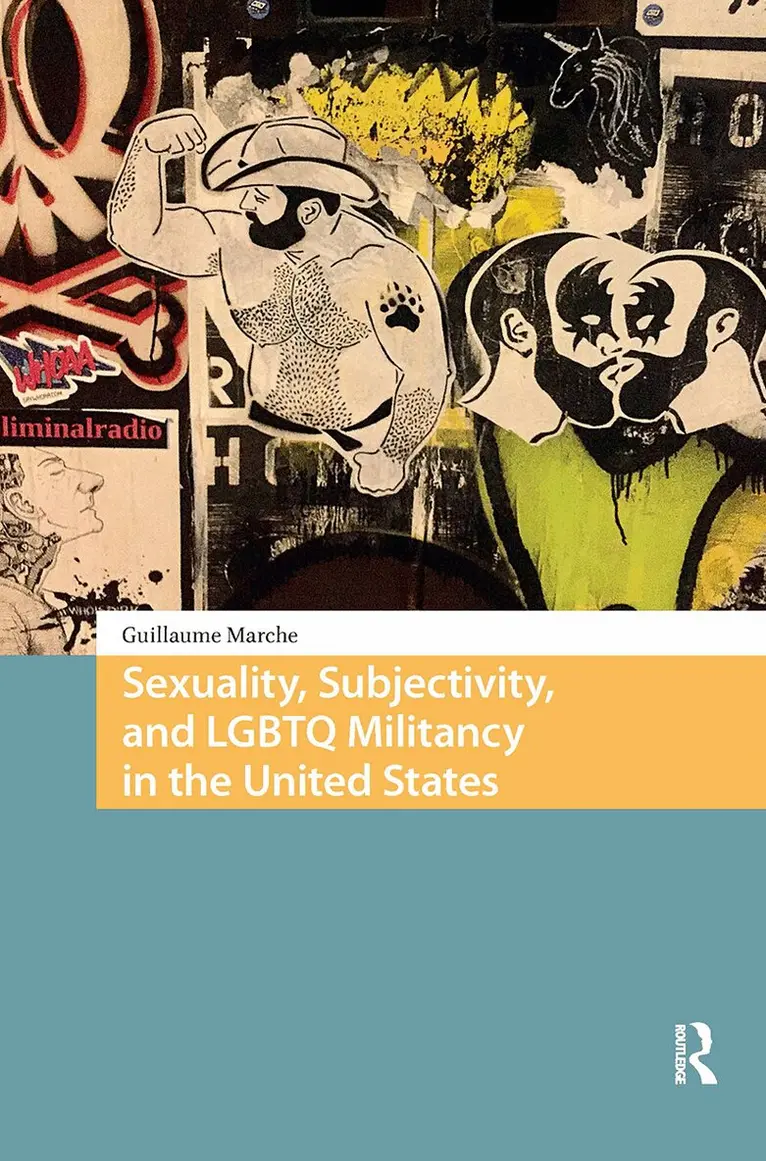
    Sexuality, Subjectivity, and LGBTQ Militancy in the United States

    AvGuillaume Marche

    Häftad, Engelska, 2025

    Del i serien Protest and Social Movements

    684 kr

    Beställningsvara. Skickas inom 10-15 vardagar. Fri frakt över 249 kr.

    Fler format och utgåvor

    E-bok

    805 kr

    E-bok

    805 kr

    Inbunden

    2 067 kr

    Beskrivning

    As LGBTQ movements in Western Europe, North America, and other regions of the world are becoming increasingly successful at awarding LGBTQ people rights, especially institutional recognition for same-sex couples and their families, what becomes of the deeper social transformation that these movements initially aimed to achieve? The United States is in many ways a paradigmatic model for LGBTQ movements in other countries. Sexuality, Subjectivity, and LGBTQ Militancy in the United States focuses on the transformations of the US LGBTQ movement since the 1980s, highlighting the relationship between its institutionalization and the disappearance of sexuality from its most visible claims, so that its growing visibility and legitimation since the 1990s have paradoxically led to a decrease in grassroots militancy. The book examines the issue from the bottom up, identifying the links between the varying importance of sexuality as a movement theme and actors' mobilization, and enhances the import of subjectivity in militancy. It draws attention to cultural, sometimes infrapolitical, forms of militancy that perpetuate the role of sexuality in LGBTQ militancy.

    Produktinformation

    • Utgivningsdatum:2025-12-01
    • Mått:156 x 234 x 11 mm
    • Vikt:320 g
    • Format:Häftad
    • Språk:Engelska
    • Serie:Protest and Social Movements
    • Antal sidor:198
    • Förlag:Taylor & Francis Ltd
    • ISBN:9781041185956
    • Översättare:Katharine Throssell

    Utforska kategorier

    • Politisk aktivism inom Samhälle och politik
    • HBTQ+ inom Samhälle och politik
    • Sociologi inom Samhälle och politik

    Mer om författaren

    Guillaume Marche, professor of American studies (society, politics, and culture) at Université Paris-Est Créteil (France), specializes in contemporary social movements in the US. His publications deal with the LGBTQ movement, sexuality, subjectivity, and collective mobilization. His current work also addresses the use of activists’ biographies as sociological sources as well as infrapolitical forms of intervention in public spaces (e.g., graffiti and LGBTQ theatricality).

    Innehållsförteckning

    • Preface, Chapter 1 Introduction Subjectivity, militancy, and political opportunities A micro-sociological approach from below Why the united states? Terminology Chapter 2 Of homosexualities and movements The homophile movement The gay liberation movement and the eruption of sexuality Gay communitarianism and the privatization of sexuality The advent of aids and the resurgence of activism Sexualization and strategic essentialism Legitimation, integrationism, and desexualization Recognition of marriage and desexualization Chapter 3 From fragmentation to coalescence The moral conservatism of the 1980s Act up: provocative lesbian and gay activism Aids, lesbianism, and male homosexuality Depolarization, appeasement, and assimilationism Institutionalization, status, and conduct Substantive rights and collective mobilization Chapter 4 Sexual fulfillment and political disenchantment Militant disengagement Privatization and commodification LGBTQ pride controversies An idealized identity Authenticity Gratification, engagement, and disappointment Idealized identity, homogeneity, and aids Reasons for engagement, reasons for withdrawal Chapter 5 Sexuality and empowerment Subjectivity, erotics, and mobilization Young people's sexuality LGBTQ youth as social actors Daring to talk about lgbtq young people's sexuality Homosociality, desire, and ethnicity/race Sexuality and public spaces: sex panic! Sexuality, intimacy, and empowerment Sexualizing lesbianism The doldrums and abeyance structures Refocusing action on pleasure Chapter 6 Mobilization on the threshold of the political Guerrilla theater Maintaining grassroots activism Subaltern action Infrapolitics An extreme case: the sisters of perpetual indulgence Three sisters The significance of insignificance Chapter 7 Conclusion: toward new identity forms A winning movement Polymorphic mobilization What can we learn from this? The interviewees, References, Index ,Acknowledgments.