Inbunden, Engelska, 2026
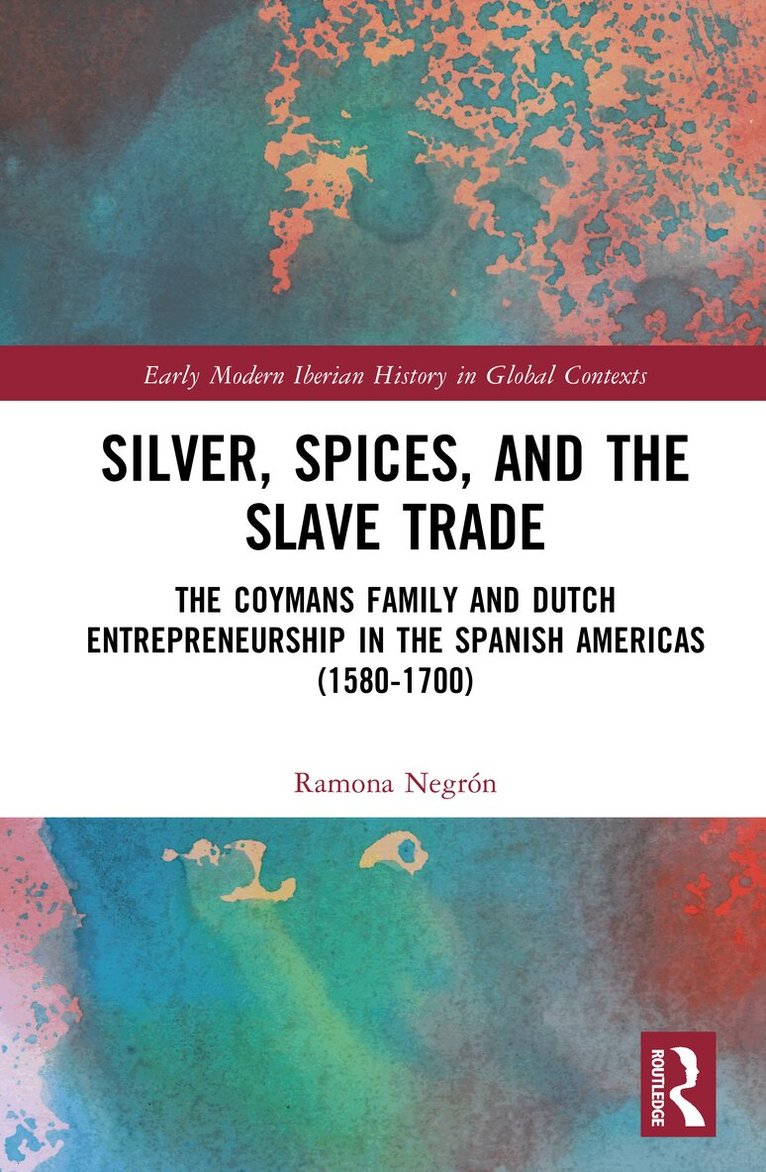
Silver, Spices, and the Slave Trade
2542 kr
Kommande
Beskrivning
Silver, Spices, and the Slave Trade: The Coymans Family and Dutch Entrepreneurship in the Spanish Americas (1580-1700) explains how Amsterdam entrepreneurs, specifically the Coymans family, built profitable businesses within a system that officially excluded them. The book follows networks that linked Europe, the Caribbean, and the Spanish Americas, and examines how trade operated amid war, embargoes, and changing laws. Methodologically, it combines notarial records, ego documents, judicial records, and state papers from archival materials from the Netherlands, Spain, the Caribbean, and the Spanish Americas with newly compiled datasets. It reconstructs tools of risk and finance such as bottomry loans, partnerships, agency chains, and the management of trust and reputation, and clarifies the legal gray zones that enabled trade. The central case is the Coymans Asiento and its collapse, which connects discussions of ports, networks of agents, and the flow of silver to Amsterdam, offering fresh perspectives on early modern silver flows. The book advances a transimperial framework that treats foreign merchants as stakeholders within the Spanish imperial economy and challenges nationalist narratives. It is written for undergraduates, postgraduates, and scholars in early modern, colonial, and business history, and is accessible to interested nonspecialist readers, booksellers, and librarians.
Produktinformation
- Utgivningsdatum: 2026-11-05
- Mått: 156 x 234 x undefined mm
- Format: Inbunden
- Språk: Engelska
- Serie: Early Modern Iberian History in Global Contexts
- Antal sidor: 236
- Förlag: Taylor & Francis Ltd
- ISBN: 9781041199960
Utforska kategorier
Betyg & recensioner
0 recensioner
Inga recensioner tillgängliga.